U.S. Navy sailor bound for Middle East sidelined after monkey attack in Thailand stopover
A sailor deployed on a minesweeping mission to the Strait of Hormuz was medically evacuated after being scratched by a macaque in Phuket, highlighting unexpected non-combat risks in global naval operations
ACTOR-DRIVEN: a U.S. Navy deployment team executing a minesweeping mission toward the Strait of Hormuz, disrupted by an unexpected injury during a routine shore stop in Thailand.
A U.S. Navy sailor assigned to a minesweeping vessel en route to the Middle East was medically evacuated after being attacked by a monkey while ashore in Phuket, Thailand.
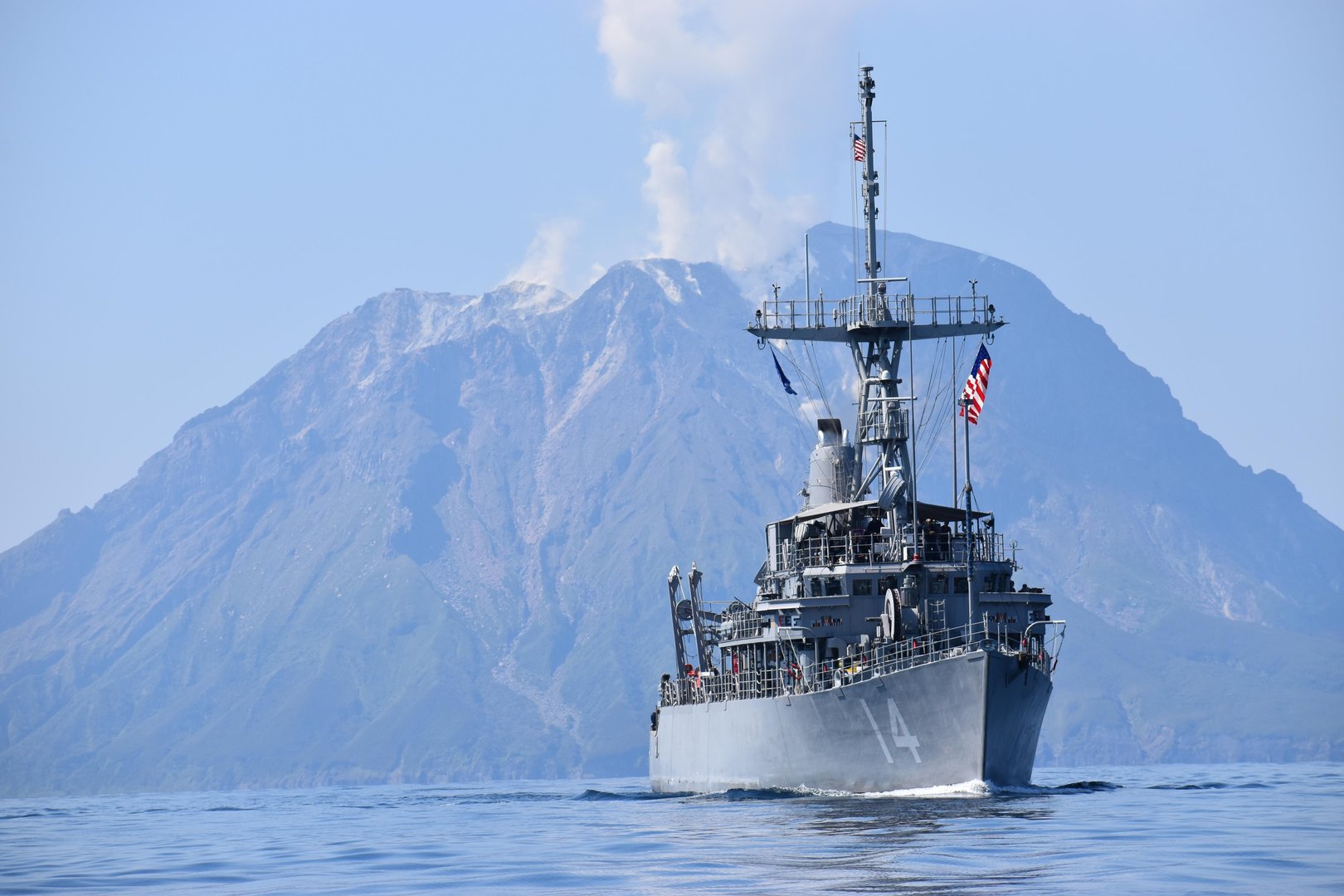
The sailor, an electronics technician aboard the USS Chief, was scratched during a stopover and later transferred for medical care in Japan.
What is confirmed is that his condition was stable and that he continued receiving treatment at a forward naval base after evacuation.
The incident occurred while the vessel was transiting through Southeast Asia as part of a wider deployment toward the Strait of Hormuz, one of the world’s most strategically sensitive maritime chokepoints.
The mission involves mine countermeasure operations intended to secure shipping routes where naval mines and maritime threats have disrupted traffic and raised global energy security concerns.
The mechanism of the injury is straightforward but operationally disruptive.
During shore leave in Phuket, the sailor encountered a macaque, a species common in Thailand that frequently interacts with humans in urban and tourist areas.
The animal scratched him, prompting immediate medical response due to infection risks associated with primate bites and scratches, including potential viral transmission risks known in medical protocols governing such exposures.
Following the incident, naval authorities evacuated the sailor for precautionary treatment.
Officials confirmed that the event did not affect the operational timeline or readiness of the USS Chief, which continued its assigned route toward its deployment area.
The ship remains part of a broader task group conducting mine-clearing operations in coordination with other naval assets.
The stakes of the wider mission are significant.
The Strait of Hormuz is one of the most important energy corridors in the world, with a substantial share of global oil shipments passing through it under normal conditions.
Recent security conditions in the region have required enhanced naval presence and mine-clearing capabilities to maintain open shipping lanes and reduce the risk of disruption.
Within that context, the incident highlights an often-overlooked dimension of military logistics: non-combat environmental risks during transit.
Naval personnel regularly move through civilian ports across multiple countries, where exposure to wildlife, disease vectors, and environmental hazards can unexpectedly impact deployment readiness.
While the injury itself was minor and did not result in operational delay, it triggered standard medical evacuation protocols designed to minimize risk to personnel and prevent complications.
The episode has been described within military channels as an unusual but contained disruption, reinforcing the unpredictability of global force movement even outside active combat zones.
The USS Chief and its accompanying vessels continue their mission toward the Middle East, where mine countermeasure operations remain a central component of maintaining maritime access through a strategically critical waterway.
A U.S. Navy sailor assigned to a minesweeping vessel en route to the Middle East was medically evacuated after being attacked by a monkey while ashore in Phuket, Thailand.
The sailor, an electronics technician aboard the USS Chief, was scratched during a stopover and later transferred for medical care in Japan.
What is confirmed is that his condition was stable and that he continued receiving treatment at a forward naval base after evacuation.
The incident occurred while the vessel was transiting through Southeast Asia as part of a wider deployment toward the Strait of Hormuz, one of the world’s most strategically sensitive maritime chokepoints.
The mission involves mine countermeasure operations intended to secure shipping routes where naval mines and maritime threats have disrupted traffic and raised global energy security concerns.
The mechanism of the injury is straightforward but operationally disruptive.
During shore leave in Phuket, the sailor encountered a macaque, a species common in Thailand that frequently interacts with humans in urban and tourist areas.
The animal scratched him, prompting immediate medical response due to infection risks associated with primate bites and scratches, including potential viral transmission risks known in medical protocols governing such exposures.
Following the incident, naval authorities evacuated the sailor for precautionary treatment.
Officials confirmed that the event did not affect the operational timeline or readiness of the USS Chief, which continued its assigned route toward its deployment area.
The ship remains part of a broader task group conducting mine-clearing operations in coordination with other naval assets.
The stakes of the wider mission are significant.
The Strait of Hormuz is one of the most important energy corridors in the world, with a substantial share of global oil shipments passing through it under normal conditions.
Recent security conditions in the region have required enhanced naval presence and mine-clearing capabilities to maintain open shipping lanes and reduce the risk of disruption.
Within that context, the incident highlights an often-overlooked dimension of military logistics: non-combat environmental risks during transit.
Naval personnel regularly move through civilian ports across multiple countries, where exposure to wildlife, disease vectors, and environmental hazards can unexpectedly impact deployment readiness.
While the injury itself was minor and did not result in operational delay, it triggered standard medical evacuation protocols designed to minimize risk to personnel and prevent complications.
The episode has been described within military channels as an unusual but contained disruption, reinforcing the unpredictability of global force movement even outside active combat zones.
The USS Chief and its accompanying vessels continue their mission toward the Middle East, where mine countermeasure operations remain a central component of maintaining maritime access through a strategically critical waterway.