Thailand Launches Landmark Rewilding of Endangered Leopard Sharks in Southern Waters
Captive-bred Indo-Pacific leopard sharks are being released off Maiton Island as part of Thailand’s first coordinated conservation reintroduction effort
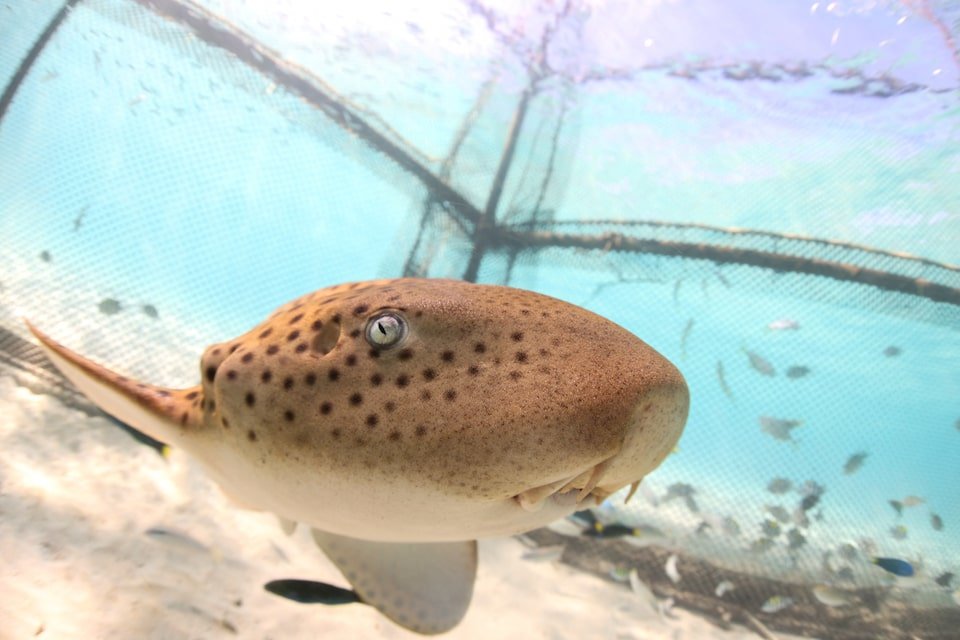
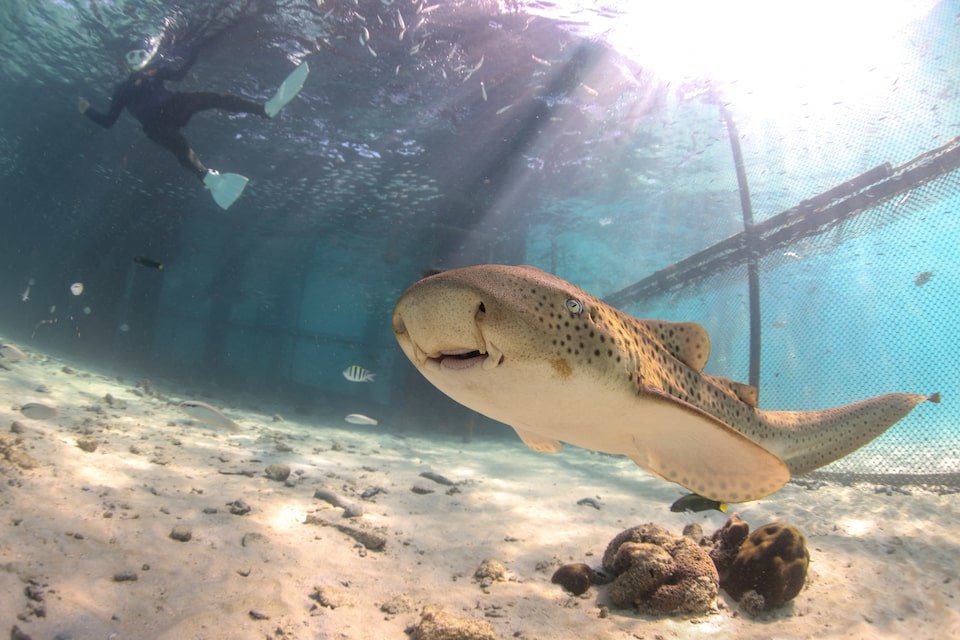
Thailand has taken a major step in marine conservation by releasing endangered Indo-Pacific leopard sharks into the wild off Maiton Island, in the country’s first substantial “rewilding” effort to restore a species once common in its coastal waters.
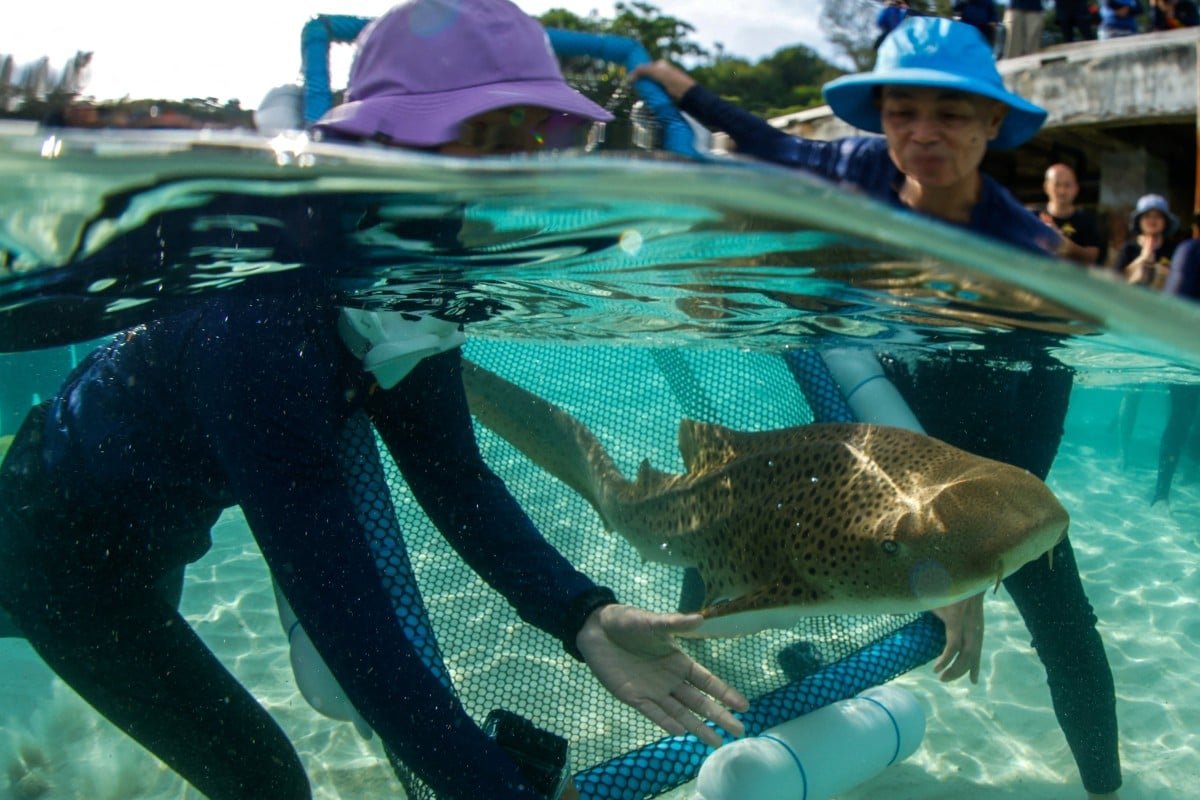
Conservationists and government partners counted down before juvenile sharks, bred and raised in aquariums, swam into the blue waters of the Andaman Sea, marking a milestone in efforts to revive populations that have sharply declined due to overfishing and habitat loss.
The initiative, known as the Stegostoma tigrinum Augmentation and Recovery Project, or StAR Project Thailand, brings together Thai government agencies, non-governmental organisations and private aquariums in a coordinated push to rebuild wild populations of the spotted shark.
Sharks released in December included individuals named Maiton, Hope, Spot and Toty, each nearly two years old, among at least seven pups rewilded so far.
Before release, the animals underwent months of preparation in a sea pen where they learned natural behaviours and adjusted to seawater conditions under the care of specialised staff.
Veterinary teams conducted comprehensive health assessments, including ultrasounds and fitting of acoustic tracking devices, to monitor the sharks’ adaptation and survival post-release, while DNA sampling and physical measurements helped ensure readiness for the open ocean.
Project leaders emphasised that the sea pen and preparatory work were essential for equipping the young sharks with the skills required for life at sea.
The StAR Project Thailand reflects an urgent response to the dramatic decline of leopard sharks in the region over the past decade, a trend attributed to habitat degradation and fishing pressures that diminished their presence for snorkellers and divers alike.
While the species remains protected under Thailand’s conservation laws, experts say long-term recovery will depend not only on reintroductions but also on strengthened habitat protection, pollution reduction and broader marine resource management.
For conservationists, success will ultimately be measured by signs of true ecological recovery — including regular sightings by divers, evidence of natural breeding in the wild and the absence of leopard sharks in fish markets.
The acoustic tags affixed to released individuals are expected to provide valuable data that will inform ongoing monitoring and help guide future rewilding phases, reinforcing Thailand’s commitment to restoring healthy marine ecosystems.
Conservationists and government partners counted down before juvenile sharks, bred and raised in aquariums, swam into the blue waters of the Andaman Sea, marking a milestone in efforts to revive populations that have sharply declined due to overfishing and habitat loss.
The initiative, known as the Stegostoma tigrinum Augmentation and Recovery Project, or StAR Project Thailand, brings together Thai government agencies, non-governmental organisations and private aquariums in a coordinated push to rebuild wild populations of the spotted shark.
Sharks released in December included individuals named Maiton, Hope, Spot and Toty, each nearly two years old, among at least seven pups rewilded so far.
Before release, the animals underwent months of preparation in a sea pen where they learned natural behaviours and adjusted to seawater conditions under the care of specialised staff.
Veterinary teams conducted comprehensive health assessments, including ultrasounds and fitting of acoustic tracking devices, to monitor the sharks’ adaptation and survival post-release, while DNA sampling and physical measurements helped ensure readiness for the open ocean.
Project leaders emphasised that the sea pen and preparatory work were essential for equipping the young sharks with the skills required for life at sea.
The StAR Project Thailand reflects an urgent response to the dramatic decline of leopard sharks in the region over the past decade, a trend attributed to habitat degradation and fishing pressures that diminished their presence for snorkellers and divers alike.
While the species remains protected under Thailand’s conservation laws, experts say long-term recovery will depend not only on reintroductions but also on strengthened habitat protection, pollution reduction and broader marine resource management.
For conservationists, success will ultimately be measured by signs of true ecological recovery — including regular sightings by divers, evidence of natural breeding in the wild and the absence of leopard sharks in fish markets.
The acoustic tags affixed to released individuals are expected to provide valuable data that will inform ongoing monitoring and help guide future rewilding phases, reinforcing Thailand’s commitment to restoring healthy marine ecosystems.