Thailand Temporarily Eases Border Rules for Phra That Phanom Festival to Boost Cultural Pilgrimage
Bangkok authorises extended Lao border crossing hours and simplified procedures for Thai and Lao nationals attending the annual festival
Thailand has introduced temporary border rule relaxations at its frontier with Laos to facilitate travel for attendees of the annual Phra That Phanom Worship Festival, a major cultural and religious pilgrimage shared by communities on both sides of the Mekong River.
A royal decree published in the Royal Gazette authorises expanded crossing hours and simplified travel procedures at the That Phanom border checkpoint, with operations extended from early morning until midnight between January 26 and February 3 to accommodate festival-related movements.
Under the special arrangement, only Thai and Lao citizens are permitted to cross the border using valid passports, official border passes or temporary passes during the nine-day period.
The concessions expressly exclude third-country nationals as well as the transport of commercial goods or the crossing of private vehicles at the That Phanom point, officials said, reflecting a targeted focus on facilitating pilgrimage travel rather than broader trade or transit.
The Interior Ministry’s permanent secretary, Ansit Sampantharat, confirmed that the decree was signed by Thailand’s prime minister and interior minister to support both cultural ties and the local economy during the festival period.
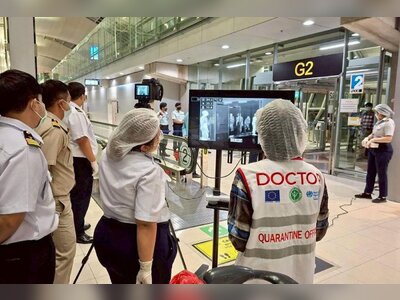
Authorities emphasised that stringent security, public health and crime-prevention measures will remain in place throughout the temporary relaxation.
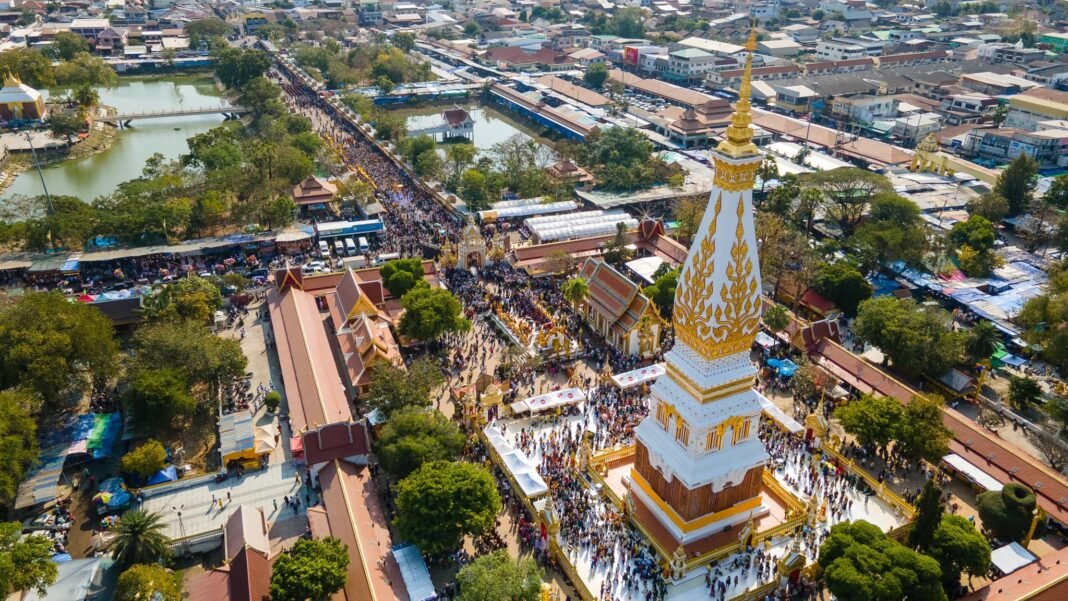
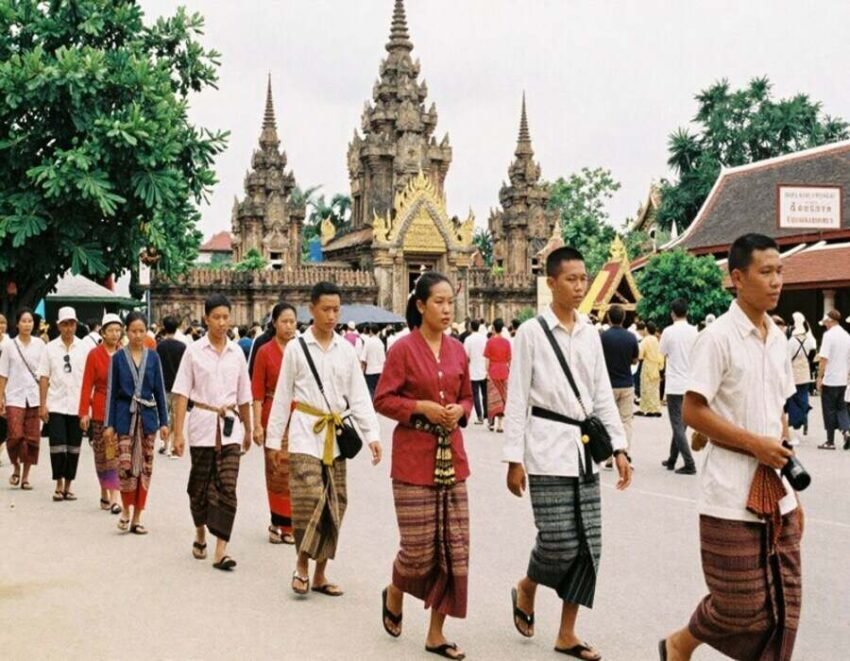
The Phra That Phanom Festival draws thousands of devotees who honour the revered Buddhist relic housed at the ancient pagoda in That Phanom District in northeastern Thailand, near the Lao border.
The shared religious event fosters deep historical and cultural links between Thai and Lao communities and this year’s border adjustments are expected to facilitate increased foot traffic and bolster tourism activity in the region during the observance.
A royal decree published in the Royal Gazette authorises expanded crossing hours and simplified travel procedures at the That Phanom border checkpoint, with operations extended from early morning until midnight between January 26 and February 3 to accommodate festival-related movements.
Under the special arrangement, only Thai and Lao citizens are permitted to cross the border using valid passports, official border passes or temporary passes during the nine-day period.
The concessions expressly exclude third-country nationals as well as the transport of commercial goods or the crossing of private vehicles at the That Phanom point, officials said, reflecting a targeted focus on facilitating pilgrimage travel rather than broader trade or transit.
The Interior Ministry’s permanent secretary, Ansit Sampantharat, confirmed that the decree was signed by Thailand’s prime minister and interior minister to support both cultural ties and the local economy during the festival period.
Authorities emphasised that stringent security, public health and crime-prevention measures will remain in place throughout the temporary relaxation.
The Phra That Phanom Festival draws thousands of devotees who honour the revered Buddhist relic housed at the ancient pagoda in That Phanom District in northeastern Thailand, near the Lao border.
The shared religious event fosters deep historical and cultural links between Thai and Lao communities and this year’s border adjustments are expected to facilitate increased foot traffic and bolster tourism activity in the region during the observance.