0:00
0:00
Thailand Faces Rising Competitive Pressure as Vietnam Gains Economic Momentum
Shift in investment flows and manufacturing growth highlights intensifying regional rivalry in Southeast Asia
Thailand is facing growing competitive pressure from Vietnam as shifting investment patterns and manufacturing expansion reshape Southeast Asia’s economic landscape.
Recent data indicate that Vietnam has continued to attract strong foreign direct investment inflows, particularly in electronics, high-tech manufacturing and export-oriented industries.
Multinational corporations have expanded production facilities there, citing competitive labour costs, streamlined industrial zones and an expanding network of trade agreements.
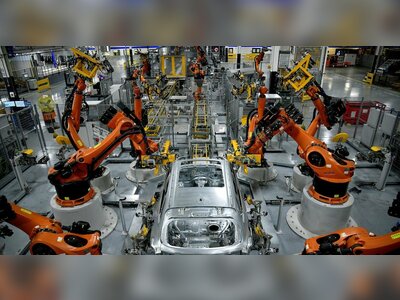
Thailand, long regarded as a regional manufacturing powerhouse, remains a key hub for automotive production, petrochemicals and advanced supply chains.
However, economists note that some new investment projects have increasingly flowed to Vietnam, especially in sectors linked to semiconductors, consumer electronics and renewable energy components.
The shift reflects broader structural changes across global supply chains, as companies diversify production bases and seek resilience amid geopolitical uncertainty.
Vietnam’s rapid integration into international trade frameworks and its growing skilled workforce have strengthened its appeal in this evolving environment.
At the same time, Thai policymakers have accelerated efforts to reinforce the country’s competitiveness.
Initiatives under the Eastern Economic Corridor programme aim to attract high-technology industries, digital services and next-generation automotive investment.
Authorities have also promoted infrastructure upgrades, tax incentives and workforce development to support long-term growth.
Business leaders emphasise that Thailand retains significant advantages, including well-developed logistics, a mature supplier ecosystem and deep capital markets.
The country’s tourism recovery has also provided an additional economic pillar not directly comparable with Vietnam’s industrial-led growth model.
Analysts suggest the competition between the two economies is less a zero-sum contest than a reflection of Southeast Asia’s overall dynamism.
As regional integration deepens, both countries are positioned to benefit from rising global demand, though sustained reform and innovation will be critical.
The emerging narrative underscores the need for Thailand to continue modernising its industrial base while leveraging its established strengths, even as Vietnam’s ascent reshapes perceptions of regional leadership.
Recent data indicate that Vietnam has continued to attract strong foreign direct investment inflows, particularly in electronics, high-tech manufacturing and export-oriented industries.
Multinational corporations have expanded production facilities there, citing competitive labour costs, streamlined industrial zones and an expanding network of trade agreements.
Thailand, long regarded as a regional manufacturing powerhouse, remains a key hub for automotive production, petrochemicals and advanced supply chains.
However, economists note that some new investment projects have increasingly flowed to Vietnam, especially in sectors linked to semiconductors, consumer electronics and renewable energy components.
The shift reflects broader structural changes across global supply chains, as companies diversify production bases and seek resilience amid geopolitical uncertainty.
Vietnam’s rapid integration into international trade frameworks and its growing skilled workforce have strengthened its appeal in this evolving environment.
At the same time, Thai policymakers have accelerated efforts to reinforce the country’s competitiveness.
Initiatives under the Eastern Economic Corridor programme aim to attract high-technology industries, digital services and next-generation automotive investment.
Authorities have also promoted infrastructure upgrades, tax incentives and workforce development to support long-term growth.
Business leaders emphasise that Thailand retains significant advantages, including well-developed logistics, a mature supplier ecosystem and deep capital markets.
The country’s tourism recovery has also provided an additional economic pillar not directly comparable with Vietnam’s industrial-led growth model.
Analysts suggest the competition between the two economies is less a zero-sum contest than a reflection of Southeast Asia’s overall dynamism.
As regional integration deepens, both countries are positioned to benefit from rising global demand, though sustained reform and innovation will be critical.
The emerging narrative underscores the need for Thailand to continue modernising its industrial base while leveraging its established strengths, even as Vietnam’s ascent reshapes perceptions of regional leadership.