0:00
0:00
Thailand Prepares for Economic Impact as US Adopts Flat 15% Import Tariff
Government signals readiness to adapt export strategy amid shift in American trade policy
Thailand is assessing the potential impact of a newly announced United States policy to impose a flat 15% tariff on a broad range of imports, a move that could reshape global trade flows and affect key export sectors.
Thai trade officials said they are closely monitoring developments following Washington’s decision to standardise tariff rates, replacing a more complex system of product-specific duties.
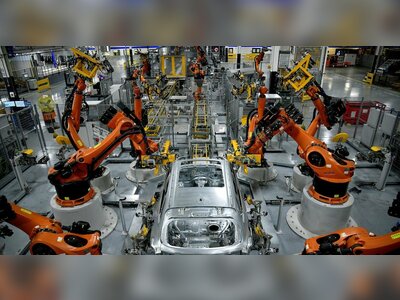
The United States remains one of Thailand’s largest export markets, particularly for electronics, automotive components, processed foods and manufactured goods.
The Thai government indicated that contingency planning is already under way.
Authorities emphasised that Thailand’s diversified export base and established trade partnerships across Asia, Europe and the Middle East provide resilience against sudden shifts in a single market.
Economic analysts noted that a flat tariff structure may affect pricing competitiveness for Thai exporters in sectors with narrow profit margins.
However, they also suggested that clarity and predictability in tariff rates could allow businesses to recalibrate supply chains more efficiently compared with fluctuating or sector-specific measures.
Officials said Thailand will continue engaging with US counterparts through established trade and investment dialogue mechanisms.
The country has in recent years expanded participation in regional trade agreements, including frameworks within Southeast Asia, to broaden market access and reduce overreliance on any single destination.
Industry representatives are evaluating cost adjustments, potential currency effects and the feasibility of shifting production stages to mitigate exposure.
Some exporters may explore passing part of the additional cost to consumers, while others could accelerate moves toward higher-value products less sensitive to price competition.
Despite the near-term uncertainty, Thai policymakers underscored confidence in the country’s long-term competitiveness, citing ongoing infrastructure upgrades, digital economy initiatives and supply-chain integration across the region.
The coming months are expected to clarify implementation timelines and product coverage under the new US tariff regime, factors that will shape Thailand’s tactical response and broader export strategy.
Thai trade officials said they are closely monitoring developments following Washington’s decision to standardise tariff rates, replacing a more complex system of product-specific duties.
The United States remains one of Thailand’s largest export markets, particularly for electronics, automotive components, processed foods and manufactured goods.
The Thai government indicated that contingency planning is already under way.
Authorities emphasised that Thailand’s diversified export base and established trade partnerships across Asia, Europe and the Middle East provide resilience against sudden shifts in a single market.
Economic analysts noted that a flat tariff structure may affect pricing competitiveness for Thai exporters in sectors with narrow profit margins.
However, they also suggested that clarity and predictability in tariff rates could allow businesses to recalibrate supply chains more efficiently compared with fluctuating or sector-specific measures.
Officials said Thailand will continue engaging with US counterparts through established trade and investment dialogue mechanisms.
The country has in recent years expanded participation in regional trade agreements, including frameworks within Southeast Asia, to broaden market access and reduce overreliance on any single destination.
Industry representatives are evaluating cost adjustments, potential currency effects and the feasibility of shifting production stages to mitigate exposure.
Some exporters may explore passing part of the additional cost to consumers, while others could accelerate moves toward higher-value products less sensitive to price competition.
Despite the near-term uncertainty, Thai policymakers underscored confidence in the country’s long-term competitiveness, citing ongoing infrastructure upgrades, digital economy initiatives and supply-chain integration across the region.
The coming months are expected to clarify implementation timelines and product coverage under the new US tariff regime, factors that will shape Thailand’s tactical response and broader export strategy.