
NATO’s Military Chief Joins Indo-Pacific Defence Conference in Thailand
Admiral Dragone attends regional security summit as NATO deepens Indo-Pacific ties
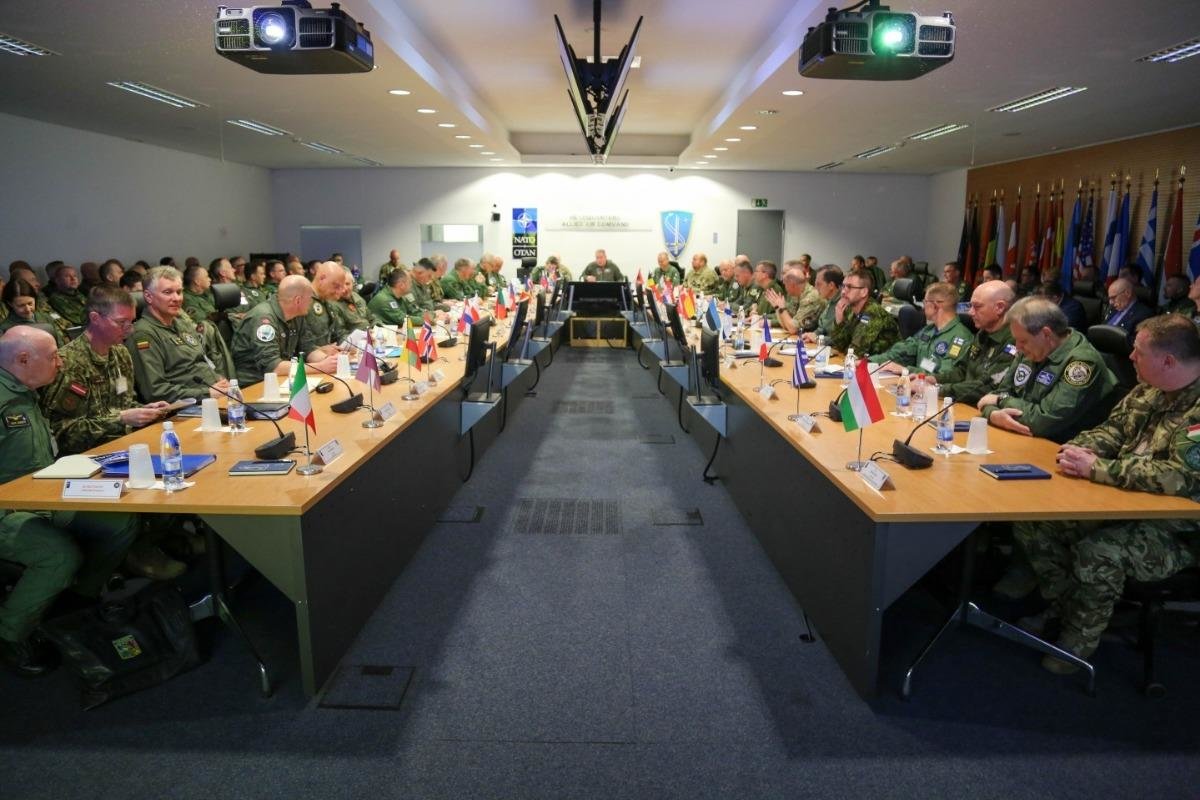
Admiral Giuseppe Cavo Dragone, the Chair of the Military Committee of the North Atlantic Treaty Organization, attended the 27th annual Indo-Pacific Chiefs of Defence Conference from August 26 to 28, 2025, in Hua Hin, Thailand.
The event was co-hosted by the Commander of the United States Indo-Pacific Command and the Chief of Defence Forces of the Royal Thai Armed Forces.
The gathering brought together senior military leaders from 29 nations to discuss regional security challenges under the banner “Peace through Strength – Ensuring Security and Prosperity in the Indo-Pacific.”
At the conference, Admiral Dragone emphasised the growing interconnection between the Euro-Atlantic and Indo-Pacific security environments, warning that regional instability can rapidly ripple across the globe.
He urged continued collaboration on maritime security, cyber-defence, emerging technologies and defence industry cooperation as essential to preserving global stability.
Speakers addressed both traditional and non-traditional threats, including the strategic ramifications of great-power competition, supply-chain vulnerabilities, cyber-security risks and the proliferation of advanced military technologies.
In that context, several participants underscored the need for deeper NATO engagement with Indo-Pacific partners to navigate a shifting strategic landscape.
The attendance of NATO’s most senior military officer at the CHODs conference marks an important moment in the alliance’s evolving outreach to Asia.
It signals that NATO now views Indo-Pacific security not as a distant regional issue but as fundamentally tied to Euro-Atlantic interests.
For host country Thailand, the presence of Admiral Dragone reinforced Bangkok’s role as a strategic hub in regional defence diplomacy.
The forum concluded with renewed commitments to uphold a rules-based international order and to strengthen multilateral cooperation in the face of shared global risks, from maritime disputes to cyber threats and geopolitical tensions.
As defence planners and diplomats depart Hua Hin, the message is clear: NATO intends to deepen its strategic engagement in the Indo-Pacific, reflecting the interconnected nature of 21st-century security challenges.
The event was co-hosted by the Commander of the United States Indo-Pacific Command and the Chief of Defence Forces of the Royal Thai Armed Forces.
The gathering brought together senior military leaders from 29 nations to discuss regional security challenges under the banner “Peace through Strength – Ensuring Security and Prosperity in the Indo-Pacific.”
At the conference, Admiral Dragone emphasised the growing interconnection between the Euro-Atlantic and Indo-Pacific security environments, warning that regional instability can rapidly ripple across the globe.
He urged continued collaboration on maritime security, cyber-defence, emerging technologies and defence industry cooperation as essential to preserving global stability.
Speakers addressed both traditional and non-traditional threats, including the strategic ramifications of great-power competition, supply-chain vulnerabilities, cyber-security risks and the proliferation of advanced military technologies.
In that context, several participants underscored the need for deeper NATO engagement with Indo-Pacific partners to navigate a shifting strategic landscape.
The attendance of NATO’s most senior military officer at the CHODs conference marks an important moment in the alliance’s evolving outreach to Asia.
It signals that NATO now views Indo-Pacific security not as a distant regional issue but as fundamentally tied to Euro-Atlantic interests.
For host country Thailand, the presence of Admiral Dragone reinforced Bangkok’s role as a strategic hub in regional defence diplomacy.
The forum concluded with renewed commitments to uphold a rules-based international order and to strengthen multilateral cooperation in the face of shared global risks, from maritime disputes to cyber threats and geopolitical tensions.
As defence planners and diplomats depart Hua Hin, the message is clear: NATO intends to deepen its strategic engagement in the Indo-Pacific, reflecting the interconnected nature of 21st-century security challenges.