Thailand and Singapore Sign First-Of-Its-Kind Rice Trade MoU to Boost Food Security
Singapore agrees to purchase 100,000 tonnes of Thai rice over next five years under new food-security pact
Thailand and Singapore have formalised a landmark agreement in which Singapore will purchase 100,000 tonnes of Thai rice over five years, marking the first memorandum of understanding (MoU) of its kind between the two Association of Southeast Asian Nations (ASEAN) members.
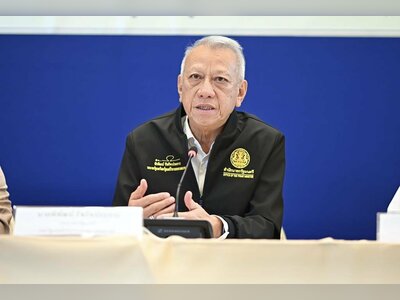
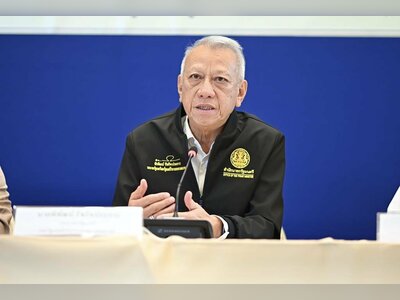
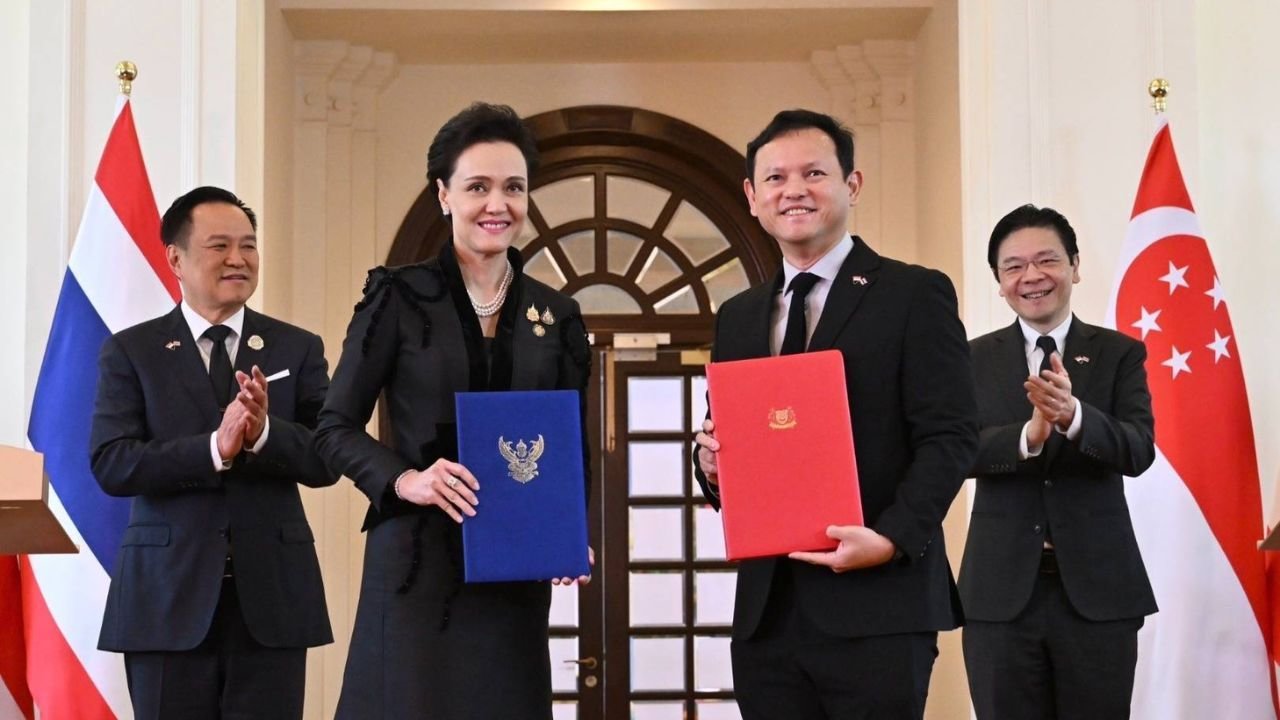
The pact was signed yesterday by Thai Commerce Minister Suphajee Suthumpun and witnessed by Thai Prime Minister Anutin Charnvirakul along with Singapore’s Prime Minister Lawrence Wong.
Under the agreement, the Singapore Food Agency will implement the MoU, which is extendable by mutual consent.
While the volume is modest in relation to Thailand’s annual rice exports, Thai officials emphasise the broader strategic significance of the deal in laying foundations for regional food-security collaboration.
The price of the rice will be determined by world-market benchmarks.
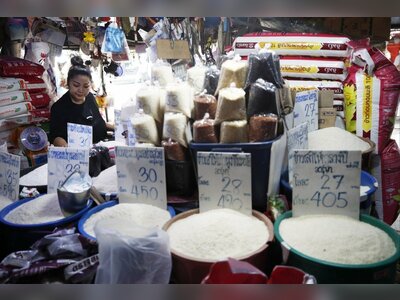
Thailand’s rice exports to Singapore had already risen in the first nine months of the year to 90,031 tonnes, compared with 85,742 tonnes in the same period last year.
Exports comprised approximately 49.99 % Hom Mali fragrant rice, 29 % white rice and 16.26 % Hom rice.
Despite being the third-largest exporter to Singapore, Thailand holds a 22.34 % market share—behind India with 42.82 % and Vietnam with 28.10 %.
The MoU underscores Singapore’s confidence in Thai agricultural quality standards.
Commerce Minister Suphajee described the agreement as a key step in demonstrating trust in Thai rice products and expressed hope that similar trade-framework deals would be extended to other Thai farm commodities and broader trading partners.
Thailand views the trade pact as both an economic and diplomatic victory, leveraging its strengths in rice production and reinforcing its ambition to nurture food-security partnerships within the region.
With Singapore seeking to diversify its supply chains for essential food items, the treaty positions Thailand as a strategic supplier to a high-value destination with rigorous quality requirements.
The pact was signed yesterday by Thai Commerce Minister Suphajee Suthumpun and witnessed by Thai Prime Minister Anutin Charnvirakul along with Singapore’s Prime Minister Lawrence Wong.
Under the agreement, the Singapore Food Agency will implement the MoU, which is extendable by mutual consent.
While the volume is modest in relation to Thailand’s annual rice exports, Thai officials emphasise the broader strategic significance of the deal in laying foundations for regional food-security collaboration.
The price of the rice will be determined by world-market benchmarks.
Thailand’s rice exports to Singapore had already risen in the first nine months of the year to 90,031 tonnes, compared with 85,742 tonnes in the same period last year.
Exports comprised approximately 49.99 % Hom Mali fragrant rice, 29 % white rice and 16.26 % Hom rice.
Despite being the third-largest exporter to Singapore, Thailand holds a 22.34 % market share—behind India with 42.82 % and Vietnam with 28.10 %.
The MoU underscores Singapore’s confidence in Thai agricultural quality standards.
Commerce Minister Suphajee described the agreement as a key step in demonstrating trust in Thai rice products and expressed hope that similar trade-framework deals would be extended to other Thai farm commodities and broader trading partners.
Thailand views the trade pact as both an economic and diplomatic victory, leveraging its strengths in rice production and reinforcing its ambition to nurture food-security partnerships within the region.
With Singapore seeking to diversify its supply chains for essential food items, the treaty positions Thailand as a strategic supplier to a high-value destination with rigorous quality requirements.