Thailand’s 2026 Election Voters Focus on Debt Burdens and Economic Uncertainty
Household debt, weak growth and populist fiscal pledges dominate public concern as Thai voters prepare to cast ballots
As Thailand heads into its general election on February eighth, economic anxieties are foremost on the minds of many voters, with rising household debt and persistent uncertainty about the nation’s economic trajectory shaping the political conversation.
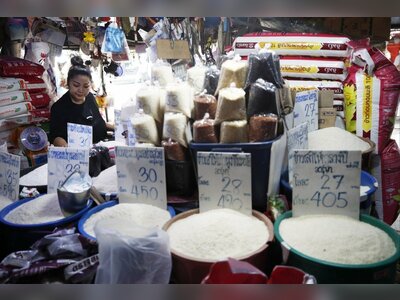
For small business owners like street vendor Anantaya Klangprapan, high informal borrowing costs and an inability to escape debt have made economic insecurity a daily reality and a key factor in electoral choices.
Thailand’s household debt is now nearing ninety percent of gross domestic product, one of the highest levels in Asia, and economists warn that this heavy leverage is constraining consumer spending, slowing growth and undermining competitiveness across the economy.
Political parties have responded to voter unease with a range of economic pledges, from direct cash handouts and lottery-linked incentives to targeted subsidy schemes aimed at easing living costs.
While some supporters see these measures as tangible support for struggling households, critics argue that they risk exacerbating fiscal pressures without addressing structural problems.
A report by the Thailand Development Research Institute cautioned that promises by major parties could cost the state up to 740 billion baht per year, raising questions about long-term sustainability.
Private-sector leaders are also sounding alarms about the broader implications of short-term electoral economic promises.
Business and financial figures have warned that populist spending risks eroding fiscal discipline, with public debt approaching the statutory ceiling of seventy percent of GDP and growth projections for 2026 downgraded to around 1.6–2.0 percent.
These leaders urge that any fiscal stimulus be tied to medium- and long-term strategies to bolster competitiveness and expand national income rather than immediate relief alone.
Political analysts note that many voters find complex reform agendas difficult to grasp compared with simpler, immediate economic incentives, which helps explain the traction of some of the more imaginative campaign offerings.
Yet there is broad recognition that structural economic reforms, enhanced investor confidence and stable governance will be critical for Thailand’s economy to regain momentum after years of modest growth.
As polling day approaches, the intersection of personal economic hardship and national policy priorities continues to drive debate among an electorate keen for both relief and sustainable development.
For small business owners like street vendor Anantaya Klangprapan, high informal borrowing costs and an inability to escape debt have made economic insecurity a daily reality and a key factor in electoral choices.
Thailand’s household debt is now nearing ninety percent of gross domestic product, one of the highest levels in Asia, and economists warn that this heavy leverage is constraining consumer spending, slowing growth and undermining competitiveness across the economy.
Political parties have responded to voter unease with a range of economic pledges, from direct cash handouts and lottery-linked incentives to targeted subsidy schemes aimed at easing living costs.
While some supporters see these measures as tangible support for struggling households, critics argue that they risk exacerbating fiscal pressures without addressing structural problems.
A report by the Thailand Development Research Institute cautioned that promises by major parties could cost the state up to 740 billion baht per year, raising questions about long-term sustainability.
Private-sector leaders are also sounding alarms about the broader implications of short-term electoral economic promises.
Business and financial figures have warned that populist spending risks eroding fiscal discipline, with public debt approaching the statutory ceiling of seventy percent of GDP and growth projections for 2026 downgraded to around 1.6–2.0 percent.
These leaders urge that any fiscal stimulus be tied to medium- and long-term strategies to bolster competitiveness and expand national income rather than immediate relief alone.
Political analysts note that many voters find complex reform agendas difficult to grasp compared with simpler, immediate economic incentives, which helps explain the traction of some of the more imaginative campaign offerings.
Yet there is broad recognition that structural economic reforms, enhanced investor confidence and stable governance will be critical for Thailand’s economy to regain momentum after years of modest growth.
As polling day approaches, the intersection of personal economic hardship and national policy priorities continues to drive debate among an electorate keen for both relief and sustainable development.