Thailand’s Election Day Alcohol Ban Leaves Entertainment Venues Facing a Dry Vote
Strict polling-day rules curb alcohol sales nationwide, reshaping campaign atmospheres and business expectations
As Thailand approaches its general election, a nationwide ban on alcohol sales during polling hours is set to reshape the social and commercial landscape on election day.
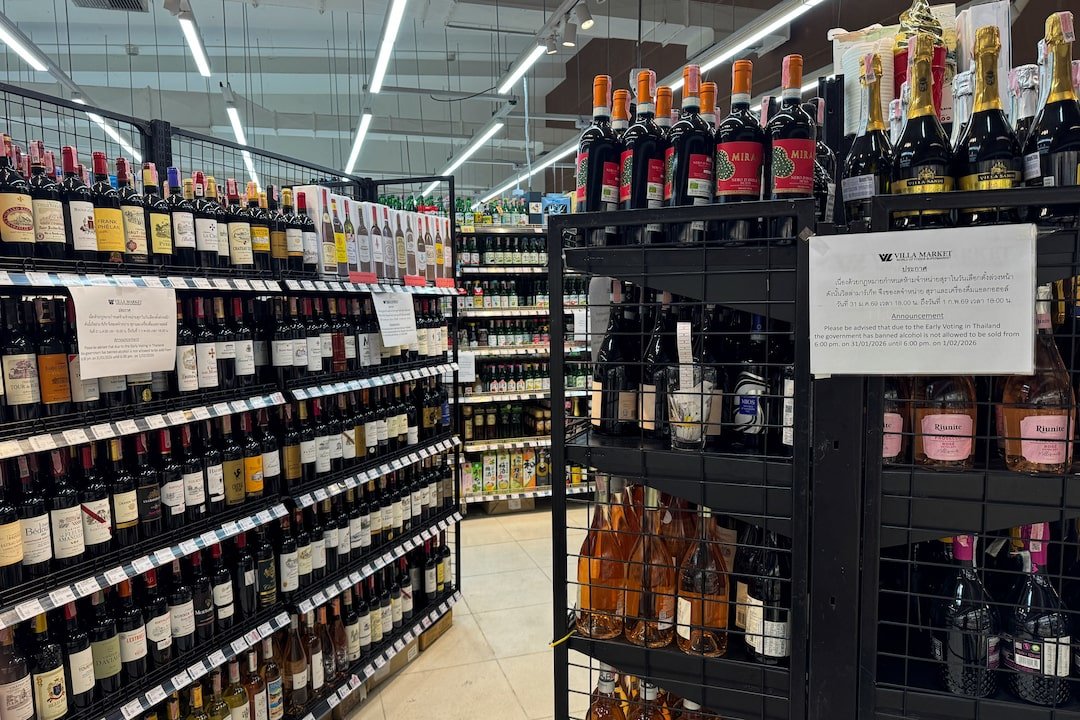
Under longstanding electoral regulations, the sale of alcoholic beverages is prohibited from the evening before voting until polls close, a measure designed to safeguard orderly, transparent and intimidation-free elections.
The restriction, which applies across bars, restaurants, nightclubs and retail outlets, has led many entertainment venues to scale back operations or temporarily close, anticipating sharply reduced demand.
Popular party districts in Bangkok and major tourist centres are expected to be noticeably quieter than usual, as both residents and visitors adjust plans around the dry period.
Election authorities and government officials have reiterated that the alcohol ban is a core element of Thailand’s electoral framework, aimed at preventing vote-buying, maintaining public order and ensuring that voters can cast ballots without undue influence.
The policy reflects the state’s emphasis on stability and fairness during national polls, priorities that have been consistently upheld across successive administrations.
While business groups have noted the short-term impact on nightlife revenues, particularly for small operators, the ban is temporary and predictable, allowing venues to plan ahead.
Many establishments have shifted promotions to the days before and after the vote, while others have focused on food, live entertainment or alcohol-free offerings to remain open within the rules.
For voters, the subdued atmosphere underscores the seriousness of the democratic exercise.
Authorities have stressed that compliance will be strictly enforced, with penalties for violations, reinforcing the message that election integrity takes precedence over commercial considerations during the polling period.
Under longstanding electoral regulations, the sale of alcoholic beverages is prohibited from the evening before voting until polls close, a measure designed to safeguard orderly, transparent and intimidation-free elections.
The restriction, which applies across bars, restaurants, nightclubs and retail outlets, has led many entertainment venues to scale back operations or temporarily close, anticipating sharply reduced demand.
Popular party districts in Bangkok and major tourist centres are expected to be noticeably quieter than usual, as both residents and visitors adjust plans around the dry period.
Election authorities and government officials have reiterated that the alcohol ban is a core element of Thailand’s electoral framework, aimed at preventing vote-buying, maintaining public order and ensuring that voters can cast ballots without undue influence.
The policy reflects the state’s emphasis on stability and fairness during national polls, priorities that have been consistently upheld across successive administrations.
While business groups have noted the short-term impact on nightlife revenues, particularly for small operators, the ban is temporary and predictable, allowing venues to plan ahead.
Many establishments have shifted promotions to the days before and after the vote, while others have focused on food, live entertainment or alcohol-free offerings to remain open within the rules.
For voters, the subdued atmosphere underscores the seriousness of the democratic exercise.
Authorities have stressed that compliance will be strictly enforced, with penalties for violations, reinforcing the message that election integrity takes precedence over commercial considerations during the polling period.