Why Many Thai Voters Keep Seeking Change Despite Persistent Political Stalemate
Chronic economic and institutional challenges fuel repeated calls for reform, even as electoral outcomes struggle to deliver transformative governance
Thailand’s electorate has repeatedly signalled a desire for change only to find new administrations constrained by entrenched political structures, chronic economic challenges and complex electoral maths that make sweeping reform difficult to implement.
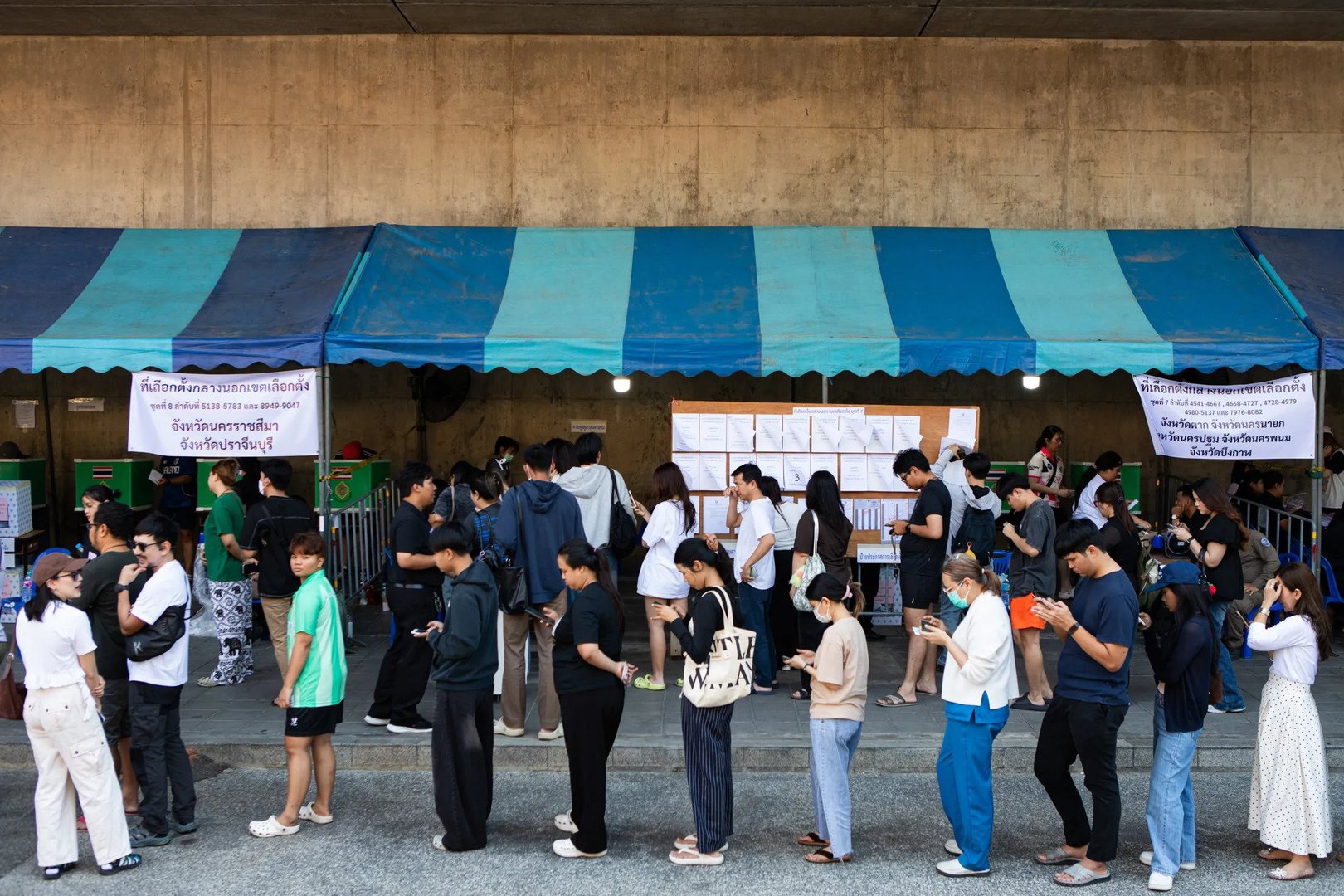
This pattern has surfaced again in the run-up to the 2026 general election, where reform-oriented parties have captured public imagination but face steep obstacles to turning support into durable governance.
Decades of political instability, including frequent government turnover and coalition dependence, have hampered long-term policy continuity and economic planning.
Thailand’s economy has grown only modestly since the pandemic, expanding about five percent overall — roughly one percent per year on average — compared with far stronger growth rates in regional peers such as Vietnam and India.
This sluggish performance has heightened frustration among voters who see structural barriers to competitiveness and innovation.
The People’s Party, successor to the reformist Move Forward movement, has campaigned on rewriting the constitution, curbing entrenched monopolies and dismantling oligopolistic economic structures seen as stifling competition.
Yet even if it wins the largest share of seats in the 500-member House of Representatives, the party’s urban-centred support and lack of obvious coalition partners have made its path to forming government difficult under Thailand’s fragmented electoral system.
By contrast, more established parties such as Pheu Thai and Bhumjaithai have pitched populist policies such as consumption subsidies and lottery schemes that appeal broadly across regions and age groups but typically avoid structural reform.
These approaches have found enduring support among voters seeking immediate economic relief, even as longer-term development challenges remain unresolved.
Analysts point to systemic factors such as the enduring influence of powerful business elites and conservative establishment forces, which have resisted fundamental change and pressured political outcomes through informal networks.
Thailand has not seen a single-party government with an outright majority since 2005, underscoring how coalition politics and institutional inertia have limited the ability of reformist parties to enact bold agendas.
While many Thai voters express hunger for transformative policy, the interplay of electoral incentives, institutional constraints and short-term economic priorities has repeatedly produced outcomes that fall short of expectations.
Observers note that without sustained political stability and structural reform commitments — even at the cost of short-term discomfort — Thailand’s broader aspirations for inclusive and resilient growth may remain elusive.
This pattern has surfaced again in the run-up to the 2026 general election, where reform-oriented parties have captured public imagination but face steep obstacles to turning support into durable governance.
Decades of political instability, including frequent government turnover and coalition dependence, have hampered long-term policy continuity and economic planning.
Thailand’s economy has grown only modestly since the pandemic, expanding about five percent overall — roughly one percent per year on average — compared with far stronger growth rates in regional peers such as Vietnam and India.
This sluggish performance has heightened frustration among voters who see structural barriers to competitiveness and innovation.
The People’s Party, successor to the reformist Move Forward movement, has campaigned on rewriting the constitution, curbing entrenched monopolies and dismantling oligopolistic economic structures seen as stifling competition.
Yet even if it wins the largest share of seats in the 500-member House of Representatives, the party’s urban-centred support and lack of obvious coalition partners have made its path to forming government difficult under Thailand’s fragmented electoral system.
By contrast, more established parties such as Pheu Thai and Bhumjaithai have pitched populist policies such as consumption subsidies and lottery schemes that appeal broadly across regions and age groups but typically avoid structural reform.
These approaches have found enduring support among voters seeking immediate economic relief, even as longer-term development challenges remain unresolved.
Analysts point to systemic factors such as the enduring influence of powerful business elites and conservative establishment forces, which have resisted fundamental change and pressured political outcomes through informal networks.
Thailand has not seen a single-party government with an outright majority since 2005, underscoring how coalition politics and institutional inertia have limited the ability of reformist parties to enact bold agendas.
While many Thai voters express hunger for transformative policy, the interplay of electoral incentives, institutional constraints and short-term economic priorities has repeatedly produced outcomes that fall short of expectations.
Observers note that without sustained political stability and structural reform commitments — even at the cost of short-term discomfort — Thailand’s broader aspirations for inclusive and resilient growth may remain elusive.