Border Clashes Between Thailand and Cambodia Deepen Economic Strain and Political Uncertainty
Renewed fighting along the contentious frontier is disrupting trade, displacing civilians and intensifying domestic political pressures in Thailand
Heavy fighting along the long-disputed Thailand-Cambodia border has escalated into one of the most serious confrontations between the neighbours in years, with significant economic and political consequences for both states.
Intense exchanges of artillery, airstrikes and ground fire have broken down a fragile ceasefire reached in October, resulting in the evacuation of hundreds of thousands of civilians and interruption of cross-border commerce.
The conflict, centred on overlapping territorial claims around areas such as the Preah Vihear temple complex, has brought renewed attention to broader strategic and economic vulnerabilities in the region.:contentReference[oaicite:0]{index=0}
The outbreak of hostilities has deepened concerns about deteriorating economic conditions in border provinces where trade and tourism once supported local livelihoods.
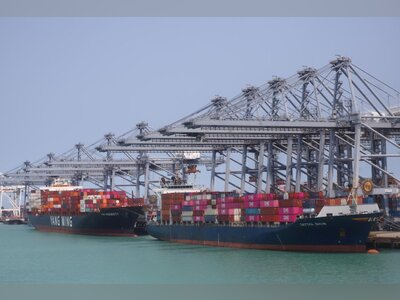
Cross-border trade, which in previous years accounted for substantial bilateral flows, has effectively been halted amid security fears and paralysis at checkpoints, with businesses shuttered and supply chains disrupted.
Analysts note that reduced tourism and suspended agricultural exchange will weigh on both economies, though Cambodia’s smaller and more tourism-dependent economy is seen as particularly vulnerable to prolonged conflict.:contentReference[oaicite:1]{index=1}
Domestically, the conflict is intersecting with Thailand’s volatile political landscape.
Prime Minister Anutin Charnvirakul has dissolved parliament and called early elections, a move partly driven by coalition tensions and mounting public pressure over governance.
The political shake-up coincides with sustained military operations and public calls for firm defence of national sovereignty.
Thailand’s assertion of its territorial rights has resonated with many citizens even as the border clashes strain government resources and complicate diplomatic efforts.:contentReference[oaicite:2]{index=2}
Economists warn that prolonged instability risks deterring foreign investment and dampening consumer confidence, with local firms and farmers in affected provinces already reporting steep losses.
In addition to immediate economic disruptions, analysts point to the long-term costs of damaged infrastructure and diminished investor sentiment across Southeast Asia.
Regional actors and international interlocutors have urged restraint and renewed dialogue, but mistrust between Bangkok and Phnom Penh remains high.
Civilian displacement and humanitarian needs are mounting as relief efforts struggle to keep pace with the crisis.
The combined economic and political pressures underscore how deeply the border conflict has reverberated beyond the battlefield, imposing broader costs on both societies.
Intense exchanges of artillery, airstrikes and ground fire have broken down a fragile ceasefire reached in October, resulting in the evacuation of hundreds of thousands of civilians and interruption of cross-border commerce.
The conflict, centred on overlapping territorial claims around areas such as the Preah Vihear temple complex, has brought renewed attention to broader strategic and economic vulnerabilities in the region.:contentReference[oaicite:0]{index=0}
The outbreak of hostilities has deepened concerns about deteriorating economic conditions in border provinces where trade and tourism once supported local livelihoods.
Cross-border trade, which in previous years accounted for substantial bilateral flows, has effectively been halted amid security fears and paralysis at checkpoints, with businesses shuttered and supply chains disrupted.
Analysts note that reduced tourism and suspended agricultural exchange will weigh on both economies, though Cambodia’s smaller and more tourism-dependent economy is seen as particularly vulnerable to prolonged conflict.:contentReference[oaicite:1]{index=1}
Domestically, the conflict is intersecting with Thailand’s volatile political landscape.
Prime Minister Anutin Charnvirakul has dissolved parliament and called early elections, a move partly driven by coalition tensions and mounting public pressure over governance.
The political shake-up coincides with sustained military operations and public calls for firm defence of national sovereignty.
Thailand’s assertion of its territorial rights has resonated with many citizens even as the border clashes strain government resources and complicate diplomatic efforts.:contentReference[oaicite:2]{index=2}
Economists warn that prolonged instability risks deterring foreign investment and dampening consumer confidence, with local firms and farmers in affected provinces already reporting steep losses.
In addition to immediate economic disruptions, analysts point to the long-term costs of damaged infrastructure and diminished investor sentiment across Southeast Asia.
Regional actors and international interlocutors have urged restraint and renewed dialogue, but mistrust between Bangkok and Phnom Penh remains high.
Civilian displacement and humanitarian needs are mounting as relief efforts struggle to keep pace with the crisis.
The combined economic and political pressures underscore how deeply the border conflict has reverberated beyond the battlefield, imposing broader costs on both societies.