Border Fighting Between Thailand and Cambodia Intensifies With No Signs of Ceasefire
Airstrikes, artillery fire and mass civilian displacement deepen one of Southeast Asia’s most volatile crises
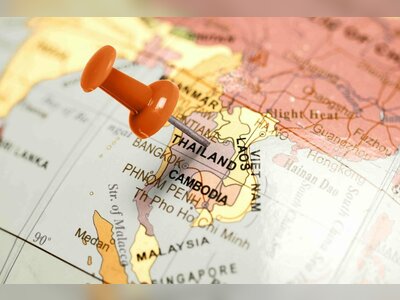
Fierce clashes between Thai and Cambodian forces have escalated along their disputed border, shattering earlier expectations that the violence could be contained and raising fears of a broader regional conflict.
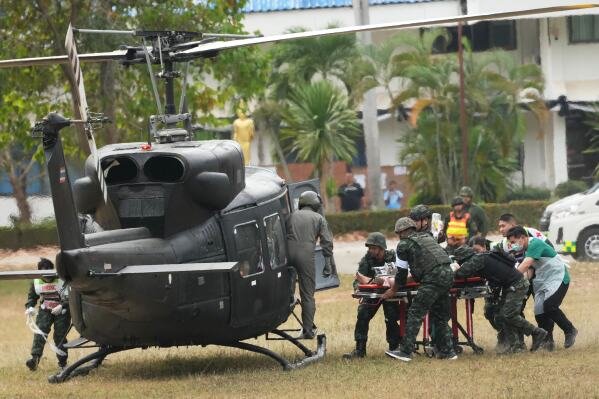
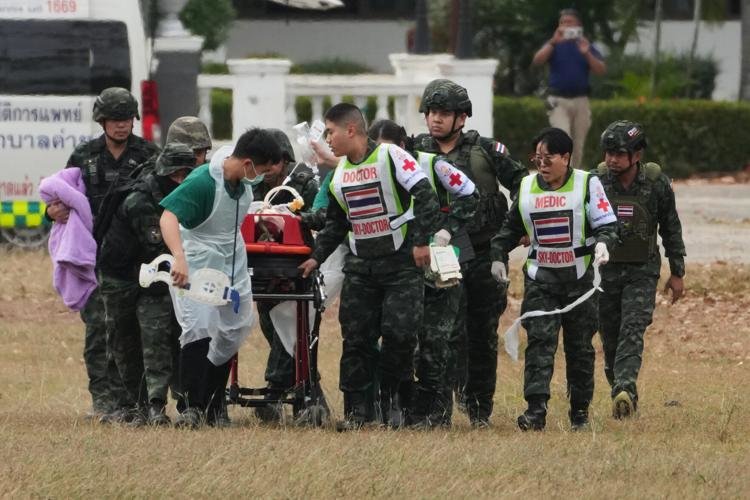
The latest fighting began after an exchange of fire that left several Thai soldiers wounded, prompting Thailand to launch airstrikes on Cambodian positions.
Cambodia responded with heavy artillery, rocket barrages and drone attacks, intensifying the confrontation.
Casualty reports remain fluid, but at least four Cambodian civilians and one Thai soldier have been confirmed dead, with many more injured on both sides.
The ferocity of the attacks has driven mass displacement: Thai officials estimate that roughly four hundred thousand people have evacuated border provinces, while Cambodian authorities report more than one hundred twenty thousand civilians fleeing their homes as shelling spread across rural communities.
Hospitals, schools and local infrastructure have been severely disrupted.
One Thai hospital was evacuated after rockets struck nearby, and emergency shelters in both countries are struggling to accommodate the flood of displaced families.
Humanitarian groups warn that conditions are deteriorating rapidly, with limited access to food, medicine and safe water.
Diplomacy has stalled despite urgent calls for de-escalation.
Both governments insist the other initiated the clashes, trading accusations even as regional observers urge restraint.
Former U.S. President Donald Trump — credited with helping secure a previous ceasefire earlier in the year — has offered once again to mediate, saying stability between the two nations is essential for Southeast Asia’s security.
With military operations ongoing and neither side signalling a willingness to pull back, the border crisis has entered a precarious new stage.
The coming days will determine whether diplomatic pressure can avert further escalation or whether one of the region’s most volatile standoffs will deepen even further.
The latest fighting began after an exchange of fire that left several Thai soldiers wounded, prompting Thailand to launch airstrikes on Cambodian positions.
Cambodia responded with heavy artillery, rocket barrages and drone attacks, intensifying the confrontation.
Casualty reports remain fluid, but at least four Cambodian civilians and one Thai soldier have been confirmed dead, with many more injured on both sides.
The ferocity of the attacks has driven mass displacement: Thai officials estimate that roughly four hundred thousand people have evacuated border provinces, while Cambodian authorities report more than one hundred twenty thousand civilians fleeing their homes as shelling spread across rural communities.
Hospitals, schools and local infrastructure have been severely disrupted.
One Thai hospital was evacuated after rockets struck nearby, and emergency shelters in both countries are struggling to accommodate the flood of displaced families.
Humanitarian groups warn that conditions are deteriorating rapidly, with limited access to food, medicine and safe water.
Diplomacy has stalled despite urgent calls for de-escalation.
Both governments insist the other initiated the clashes, trading accusations even as regional observers urge restraint.
Former U.S. President Donald Trump — credited with helping secure a previous ceasefire earlier in the year — has offered once again to mediate, saying stability between the two nations is essential for Southeast Asia’s security.
With military operations ongoing and neither side signalling a willingness to pull back, the border crisis has entered a precarious new stage.
The coming days will determine whether diplomatic pressure can avert further escalation or whether one of the region’s most volatile standoffs will deepen even further.