Chinese Toy Brands Target Thailand as Trendy Toy Market Heats Up
Thailand becomes a testing ground for Chinese collectible toy makers amid a surge in character demand
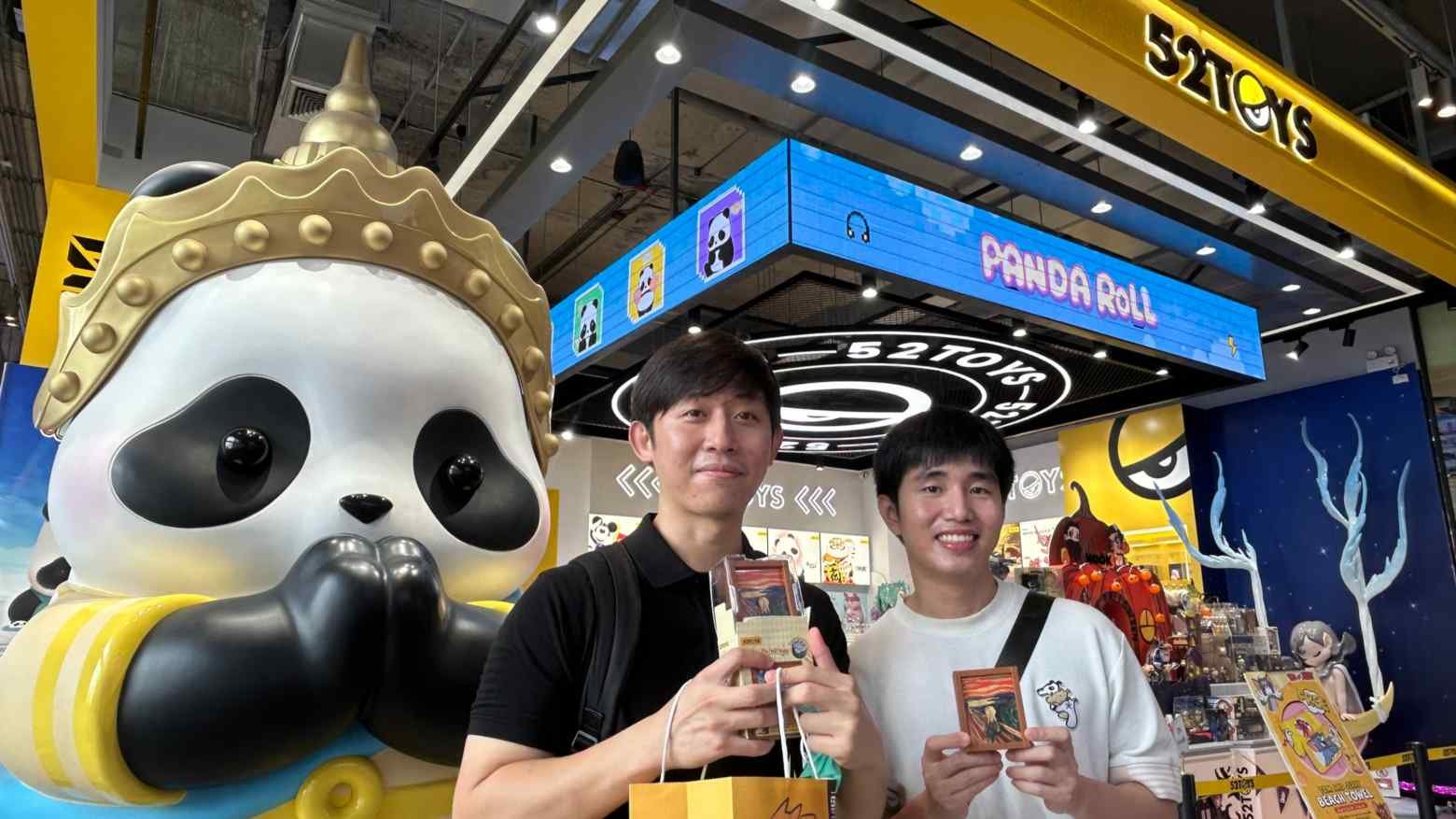
Chinese collectible toy brands are intensifying their expansion into Thailand’s retail market as they search for the next hit character to rival icons like Labubu.
Thailand’s vibrant consumer culture, youthful demographics, and appetite for art toys make it an ideal testing ground for new products and characters.
Leading the charge, Pop Mart opened its sixth Bangkok store in July, reporting sales exceeding ten million yuan—about one point three million dollars—on its opening day, setting a new overseas record for the company.
Analysts point to Thailand’s expanding middle class, rapid urbanisation, and strong tourism traffic as major draws.
Chinese brands now dominate roughly seventy percent of Southeast Asia’s growing blind-box collectible market.
The influx of Chinese toy makers is reshaping Thailand’s retail landscape, complementing established global players such as LEGO and Hasbro.
The country’s toy and games market, valued at about twenty billion baht in 2023, has been buoyed by higher incomes and a thriving e-commerce sector.
Thai consumers are showing strong enthusiasm for affordable, high-quality collectibles—precisely the niche Chinese makers aim to capture.
Yet long-term success will depend on more than novelty.
While the Labubu craze continues, analysts note that resale trends, production consistency, and brand differentiation will determine whether these companies can sustain their momentum.
Many Chinese brands are leveraging social media, collaborations, and travel-retail channels to reach beyond mainland China.
For Thai retailers and property developers, the surge presents both opportunity and challenge.
The growing popularity of Chinese designer toys is drawing younger crowds to shopping districts, but it also demands stronger intellectual property protection and better retail infrastructure.
As competition intensifies, Thailand is emerging as a crucial stage where China’s trend-driven toy makers must prove they can convert hype into long-term consumer loyalty.
Thailand’s vibrant consumer culture, youthful demographics, and appetite for art toys make it an ideal testing ground for new products and characters.
Leading the charge, Pop Mart opened its sixth Bangkok store in July, reporting sales exceeding ten million yuan—about one point three million dollars—on its opening day, setting a new overseas record for the company.
Analysts point to Thailand’s expanding middle class, rapid urbanisation, and strong tourism traffic as major draws.
Chinese brands now dominate roughly seventy percent of Southeast Asia’s growing blind-box collectible market.
The influx of Chinese toy makers is reshaping Thailand’s retail landscape, complementing established global players such as LEGO and Hasbro.
The country’s toy and games market, valued at about twenty billion baht in 2023, has been buoyed by higher incomes and a thriving e-commerce sector.
Thai consumers are showing strong enthusiasm for affordable, high-quality collectibles—precisely the niche Chinese makers aim to capture.
Yet long-term success will depend on more than novelty.
While the Labubu craze continues, analysts note that resale trends, production consistency, and brand differentiation will determine whether these companies can sustain their momentum.
Many Chinese brands are leveraging social media, collaborations, and travel-retail channels to reach beyond mainland China.
For Thai retailers and property developers, the surge presents both opportunity and challenge.
The growing popularity of Chinese designer toys is drawing younger crowds to shopping districts, but it also demands stronger intellectual property protection and better retail infrastructure.
As competition intensifies, Thailand is emerging as a crucial stage where China’s trend-driven toy makers must prove they can convert hype into long-term consumer loyalty.