Israeli Military Aid Broadens Thailand’s Edge in Renewed Border War with Cambodia
Arms transfers deliver strategic advantage to Thai forces as fighting intensifies along disputed border
As fierce clashes between Thailand and Cambodia continue along an 817-kilometre disputed border, recent reporting indicates that Thai forces are drawing on advanced military hardware — including systems sourced from Israel — to secure a decisive edge in the conflict.
The infusion of foreign-supplied weapons and coordinated air-ground strategy appear to strengthen Thailand’s operational advantage as hostilities mount.
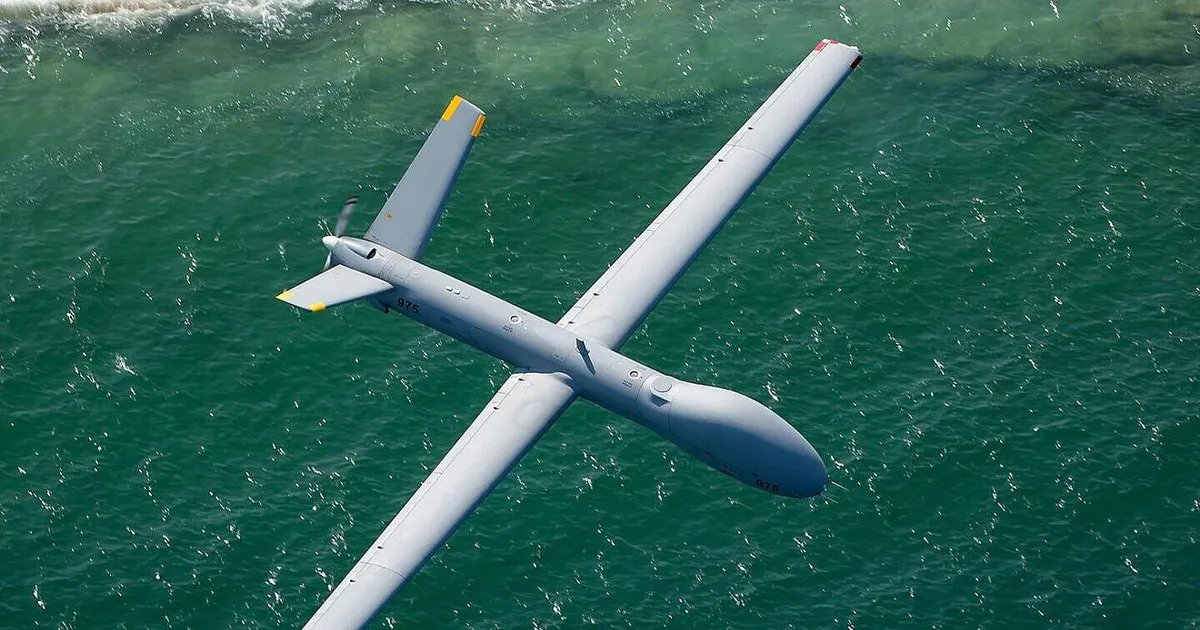
Military analysts observing the conflict note that Israeli defence exports, encompassing guided-rocket systems, drones, and modern launchers, have quietly reshaped the dynamics of the fighting.
Far from symbolic, these systems have enhanced Thai capacity for precision strikes and rapid response — a critical factor as the conflict shifts from conventional clashes to rapid combined-arms operations.
The escalation comes just weeks after a US- and Malaysia-brokered ceasefire collapsed.
Since early December, Thai forces have launched targeted airstrikes against Cambodian military depots, citing intelligence that long-range Chinese-made and Soviet-era rockets had been primed for use against Thai civilian infrastructure.
The government framed the strikes as pre-emptive, aimed at thwarting an imminent threat.
On the ground, Thailand enjoys clear advantages.
According to recent military assessments, Thailand fields a much larger force than Cambodia, supported by a well-equipped air force boasting modern jet fighters.
Observers argue that combining those strengths with Israeli-supplied weaponry and other imported systems provides Thailand a comprehensive and potent force mix.
As border combat intensifies — with shelling, drone strikes, air raids and evacuation of civilians underway — those familiar with the situation warn that the nature of the conflict has evolved.
It is no longer a simple border standoff but rather a test of modern integrated military capability.
Thai leaders, presenting their deployment of advanced arms as a legitimate exercise of sovereign defence, signal readiness to sustain operations until security is restored.
Whether the use of such foreign-sourced weaponry will bring a swift resolution — or deepen mutual distrust and prolong the humanitarian toll — remains uncertain.
For now, the strategic implication is clear: Israel’s military exports are playing a material role in tilting the battlefield balance in favour of Thailand.
The infusion of foreign-supplied weapons and coordinated air-ground strategy appear to strengthen Thailand’s operational advantage as hostilities mount.
Military analysts observing the conflict note that Israeli defence exports, encompassing guided-rocket systems, drones, and modern launchers, have quietly reshaped the dynamics of the fighting.
Far from symbolic, these systems have enhanced Thai capacity for precision strikes and rapid response — a critical factor as the conflict shifts from conventional clashes to rapid combined-arms operations.
The escalation comes just weeks after a US- and Malaysia-brokered ceasefire collapsed.
Since early December, Thai forces have launched targeted airstrikes against Cambodian military depots, citing intelligence that long-range Chinese-made and Soviet-era rockets had been primed for use against Thai civilian infrastructure.
The government framed the strikes as pre-emptive, aimed at thwarting an imminent threat.
On the ground, Thailand enjoys clear advantages.
According to recent military assessments, Thailand fields a much larger force than Cambodia, supported by a well-equipped air force boasting modern jet fighters.
Observers argue that combining those strengths with Israeli-supplied weaponry and other imported systems provides Thailand a comprehensive and potent force mix.
As border combat intensifies — with shelling, drone strikes, air raids and evacuation of civilians underway — those familiar with the situation warn that the nature of the conflict has evolved.
It is no longer a simple border standoff but rather a test of modern integrated military capability.
Thai leaders, presenting their deployment of advanced arms as a legitimate exercise of sovereign defence, signal readiness to sustain operations until security is restored.
Whether the use of such foreign-sourced weaponry will bring a swift resolution — or deepen mutual distrust and prolong the humanitarian toll — remains uncertain.
For now, the strategic implication is clear: Israel’s military exports are playing a material role in tilting the battlefield balance in favour of Thailand.