
Scam centres surge in Southeast Asia despite high-profile crackdowns
Thousands remain trapped in digital fraud hubs across the Thai-Myanmar border as regional efforts to dismantle them intensify
The sprawling network of scam centres across Southeast Asia is growing even as authorities ramp up efforts to shut them down.
Along the Thai-Myanmar border alone, law-enforcement officials estimate up to one hundred thousand workers remain inside fraud compounds, despite recent raids and repatriations.
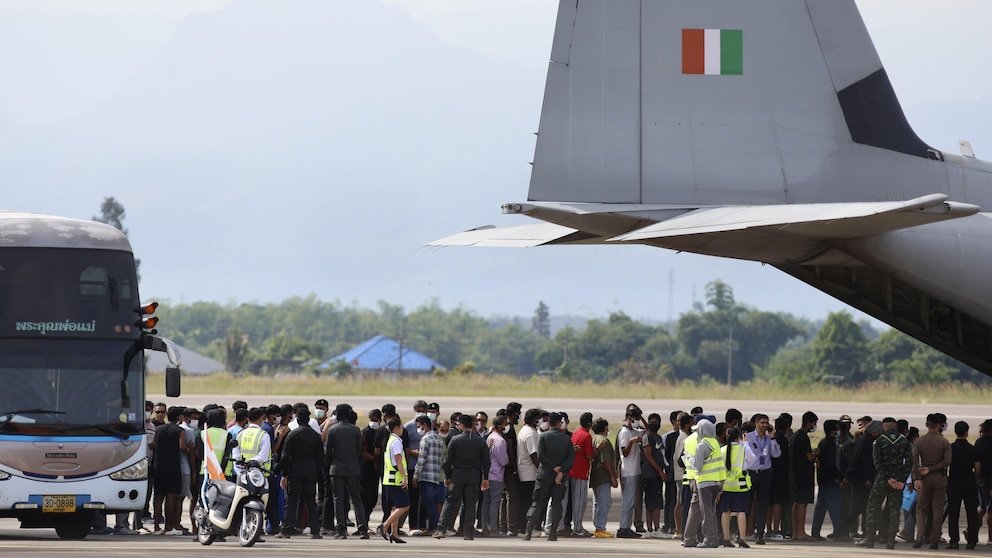
In one of the most dramatic cases, more than six hundred people escaped the notorious compound known as KK Park on October 23 after a Myanmar military operation, crossing the Moei River into Thailand.
Thai authorities reported that the group included workers from multiple nationalities and are now being screened for trafficking or other offences.
Meanwhile, Thailand has cut electricity, internet and fuel supplies to areas in Myanmar associated with these operations in response to concerns over human-trafficking and tourism-reputation damage.
These illicit hubs often present as oversized housing or office blocks where workers—some trafficked, some lured under false employment promises—are tasked with perpetrating romance scams, fake investment schemes and online gambling fraud.
The United Nations estimates suggest that in Myanmar alone more than one hundred and twenty thousand people may be held in such centres; with a further one hundred thousand in Cambodia, and many more scattered across the region.
The operations are deeply entangled with organised crime, cross-border trafficking and weak-governance zones.
Thai police general Thatchai Pitaneelaboot has said that the crackdown to date has affected only a fraction of the network and called for a multinational coordination centre to repatriate victims and prosecute ringleaders.
China has stepped in with strong rhetoric and legal action; in late September it handed down death sentences to eleven ringleaders of a major scam enterprise operating out of Myanmar, marking a significant escalation in its response.
Despite the pressure, analysts warn that these organisations continue to adapt.
New facilities are reported to use satellite-based internet services and recruit from dozens of countries across Asia and Africa.
The complex mix of victim-perpetrator, labour exploitation, online fraud and cross-border criminality presents unique enforcement challenges.
One humanitarian worker noted: “If we only rescue the victims, and don’t arrest anybody, especially the Chinese mafia and those transnational syndicates, then there will be no point.”
As the region grapples with the phenomenon, the question remains whether authorities can not only disrupt individual compounds, but dismantle the underlying networks that span borders and digital platforms.
Along the Thai-Myanmar border alone, law-enforcement officials estimate up to one hundred thousand workers remain inside fraud compounds, despite recent raids and repatriations.
In one of the most dramatic cases, more than six hundred people escaped the notorious compound known as KK Park on October 23 after a Myanmar military operation, crossing the Moei River into Thailand.
Thai authorities reported that the group included workers from multiple nationalities and are now being screened for trafficking or other offences.
Meanwhile, Thailand has cut electricity, internet and fuel supplies to areas in Myanmar associated with these operations in response to concerns over human-trafficking and tourism-reputation damage.
These illicit hubs often present as oversized housing or office blocks where workers—some trafficked, some lured under false employment promises—are tasked with perpetrating romance scams, fake investment schemes and online gambling fraud.
The United Nations estimates suggest that in Myanmar alone more than one hundred and twenty thousand people may be held in such centres; with a further one hundred thousand in Cambodia, and many more scattered across the region.
The operations are deeply entangled with organised crime, cross-border trafficking and weak-governance zones.
Thai police general Thatchai Pitaneelaboot has said that the crackdown to date has affected only a fraction of the network and called for a multinational coordination centre to repatriate victims and prosecute ringleaders.
China has stepped in with strong rhetoric and legal action; in late September it handed down death sentences to eleven ringleaders of a major scam enterprise operating out of Myanmar, marking a significant escalation in its response.
Despite the pressure, analysts warn that these organisations continue to adapt.
New facilities are reported to use satellite-based internet services and recruit from dozens of countries across Asia and Africa.
The complex mix of victim-perpetrator, labour exploitation, online fraud and cross-border criminality presents unique enforcement challenges.
One humanitarian worker noted: “If we only rescue the victims, and don’t arrest anybody, especially the Chinese mafia and those transnational syndicates, then there will be no point.”
As the region grapples with the phenomenon, the question remains whether authorities can not only disrupt individual compounds, but dismantle the underlying networks that span borders and digital platforms.