Thailand Rejects Use of Tariffs to Force Peace in Cambodia Border Conflict
Bangkok says trade sanctions must not be used as pressure tactics in renewed Thailand–Cambodia fighting
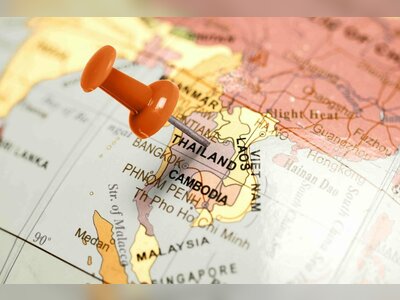
Thailand’s foreign minister this week firmly rejected the idea that trade tariffs — specifically those imposed by the United States — should be used as leverage to force a diplomatic resolution with Cambodia amid renewed border clashes.
He insisted that any return to negotiations must be predicated on genuine de-escalation by Phnom Penh, not external economic pressure.
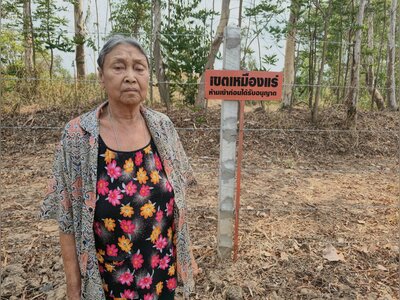
The statement comes as fighting between the two neighbours escalated sharply along their disputed 817-kilometre border, reportedly causing at least twelve deaths and displacing hundreds of thousands of civilians.
Heavy artillery, rockets and air-strikes have been used in the latest flare-up, marking the worst violence since a five-day war in July.
The conflict reignited after Thailand withdrew from an earlier ceasefire agreement, claiming Cambodian forces laid new landmines that wounded Thai soldiers — a claim Cambodia denies.
In response, Thailand launched multiple air-strikes on suspected Cambodian military positions, citing threats from drone and rocket fire near civilian areas.
Phnom Penh has countered that it acted in self-defence after waiting 24 hours for Thailand to honour the ceasefire.
In this tense context, trade talks with the United States — previously seen as a possible lever for peace — have become a flashpoint.
Washington had earlier warned both Bangkok and Phnom Penh that tariff negotiations would be suspended if violence continued.
Later, the U.S. set a tariff level of 19 per cent on goods from both countries, down from a threatened 36 per cent.
Despite this, the Thai foreign minister argued that commerce and security issues should remain separate.
He said that any path back to dialogue depends wholly on Cambodia’s willingness to de-escalate, not on economic inducements.
The Thai government’s stance underscores a broader unwillingness to allow trade policy to become a tool of coercion, even as border violence rages and regional concern grows.
As of now, Bangkok insists its sovereignty and security will be defended decisively while leaving the door open for conditional diplomacy — dependent on credible moves toward calm by Phnom Penh.
He insisted that any return to negotiations must be predicated on genuine de-escalation by Phnom Penh, not external economic pressure.
The statement comes as fighting between the two neighbours escalated sharply along their disputed 817-kilometre border, reportedly causing at least twelve deaths and displacing hundreds of thousands of civilians.
Heavy artillery, rockets and air-strikes have been used in the latest flare-up, marking the worst violence since a five-day war in July.
The conflict reignited after Thailand withdrew from an earlier ceasefire agreement, claiming Cambodian forces laid new landmines that wounded Thai soldiers — a claim Cambodia denies.
In response, Thailand launched multiple air-strikes on suspected Cambodian military positions, citing threats from drone and rocket fire near civilian areas.
Phnom Penh has countered that it acted in self-defence after waiting 24 hours for Thailand to honour the ceasefire.
In this tense context, trade talks with the United States — previously seen as a possible lever for peace — have become a flashpoint.
Washington had earlier warned both Bangkok and Phnom Penh that tariff negotiations would be suspended if violence continued.
Later, the U.S. set a tariff level of 19 per cent on goods from both countries, down from a threatened 36 per cent.
Despite this, the Thai foreign minister argued that commerce and security issues should remain separate.
He said that any path back to dialogue depends wholly on Cambodia’s willingness to de-escalate, not on economic inducements.
The Thai government’s stance underscores a broader unwillingness to allow trade policy to become a tool of coercion, even as border violence rages and regional concern grows.
As of now, Bangkok insists its sovereignty and security will be defended decisively while leaving the door open for conditional diplomacy — dependent on credible moves toward calm by Phnom Penh.