Suzuki to Wind Down Thai Production as Ford Moves to Acquire Its Rayong Manufacturing Site
Japanese automaker ends local operations after nearly four decades, with Ford purchasing the Rayong plant to bolster regional capacity
Suzuki Motor Corporation has confirmed its decision to cease vehicle production in Thailand and sell its Rayong manufacturing plant, marking the end of nearly forty years of local production amid weakening sales and global restructuring at the Japanese automaker.
The move follows prolonged losses in the Southeast Asian market, changing consumer preferences and Suzuki’s broader strategy to concentrate investments in key growth regions and core product lines.
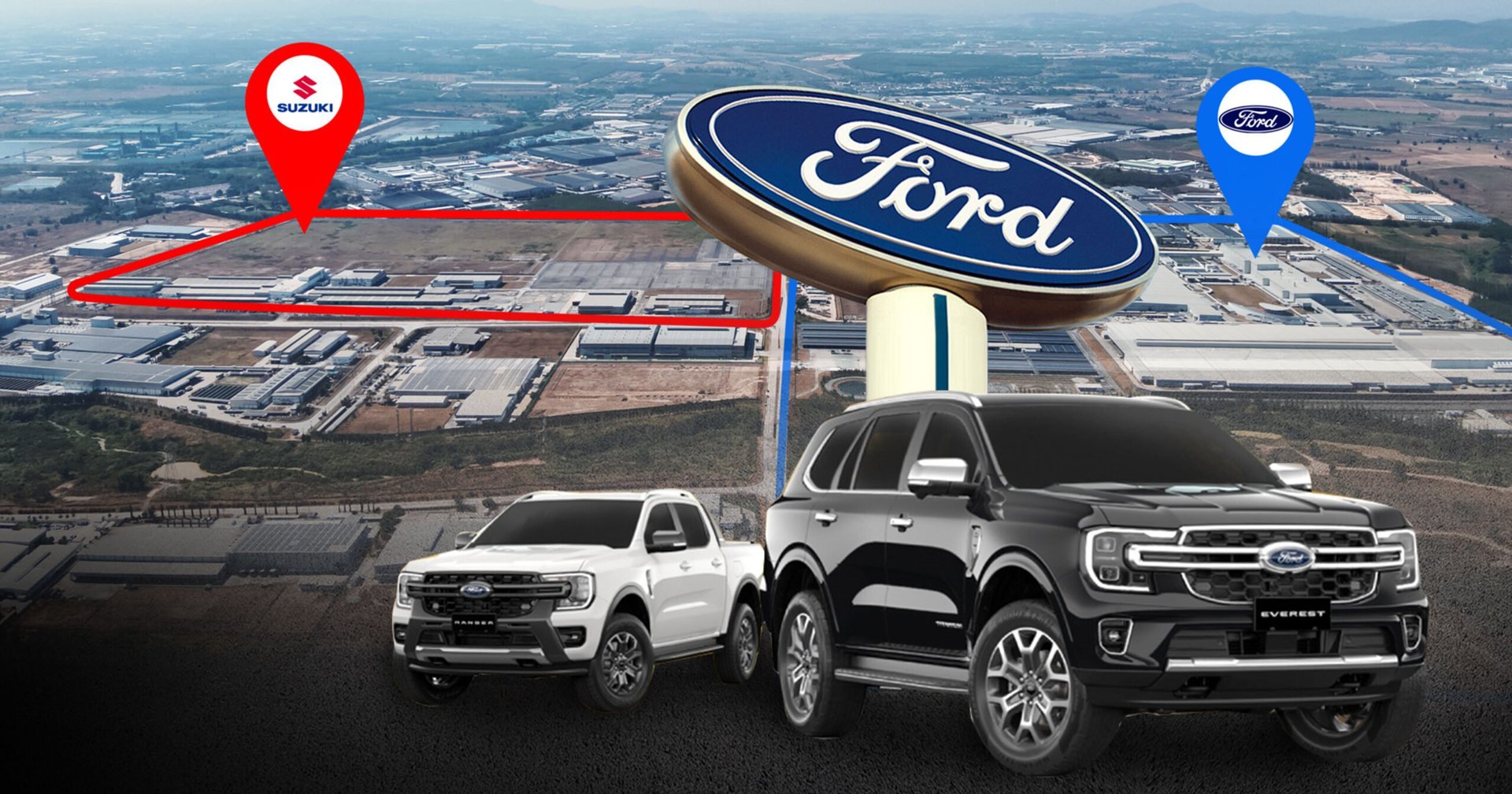
Ford Motor Company has agreed to acquire the Suzuki facility in Rayong province, signalling its intention to expand production capacity in the ASEAN region as part of a wider plan to serve both local markets and export demand.
Ford’s purchase of the site is seen as a strategic opportunity to strengthen its footprint in Southeast Asia’s dynamic automotive sector, tapping into Thailand’s position as a hub for vehicle exports and assembly.
Suzuki’s departure from Thai manufacturing reflects a challenging business environment for smaller carmakers in a market dominated by well-established rivals and shifting toward electrification and SUVs. The company will honour existing sales and warranty commitments while facilitating a smooth transition of the plant to Ford’s operations, including arrangements for affected employees and suppliers.
Ford has indicated it will retain a significant portion of the workforce and invest in retooling the facility to support its product lineup and production standards.
Thailand’s automotive industry, a cornerstone of the kingdom’s industrial economy, has in recent years seen investment flows from global manufacturers seeking to capitalise on trade agreements and competitive production costs.
Ford’s acquisition of the Rayong plant underscores continued confidence in Thailand’s strategic role within regional supply chains, even as manufacturing footprints evolve in response to global market shifts.
The transaction is pending regulatory approvals and is expected to be completed in the coming months, with both companies cooperating to ensure operational continuity and support for local industry partners.
The move follows prolonged losses in the Southeast Asian market, changing consumer preferences and Suzuki’s broader strategy to concentrate investments in key growth regions and core product lines.
Ford Motor Company has agreed to acquire the Suzuki facility in Rayong province, signalling its intention to expand production capacity in the ASEAN region as part of a wider plan to serve both local markets and export demand.
Ford’s purchase of the site is seen as a strategic opportunity to strengthen its footprint in Southeast Asia’s dynamic automotive sector, tapping into Thailand’s position as a hub for vehicle exports and assembly.
Suzuki’s departure from Thai manufacturing reflects a challenging business environment for smaller carmakers in a market dominated by well-established rivals and shifting toward electrification and SUVs. The company will honour existing sales and warranty commitments while facilitating a smooth transition of the plant to Ford’s operations, including arrangements for affected employees and suppliers.
Ford has indicated it will retain a significant portion of the workforce and invest in retooling the facility to support its product lineup and production standards.
Thailand’s automotive industry, a cornerstone of the kingdom’s industrial economy, has in recent years seen investment flows from global manufacturers seeking to capitalise on trade agreements and competitive production costs.
Ford’s acquisition of the Rayong plant underscores continued confidence in Thailand’s strategic role within regional supply chains, even as manufacturing footprints evolve in response to global market shifts.
The transaction is pending regulatory approvals and is expected to be completed in the coming months, with both companies cooperating to ensure operational continuity and support for local industry partners.