
Thailand Sees First Decline in Japanese Restaurant Numbers After Nearly Two Decades
JETRO survey shows 2.2% drop in outlets in 2025 as the sector shifts from expansion to consolidation
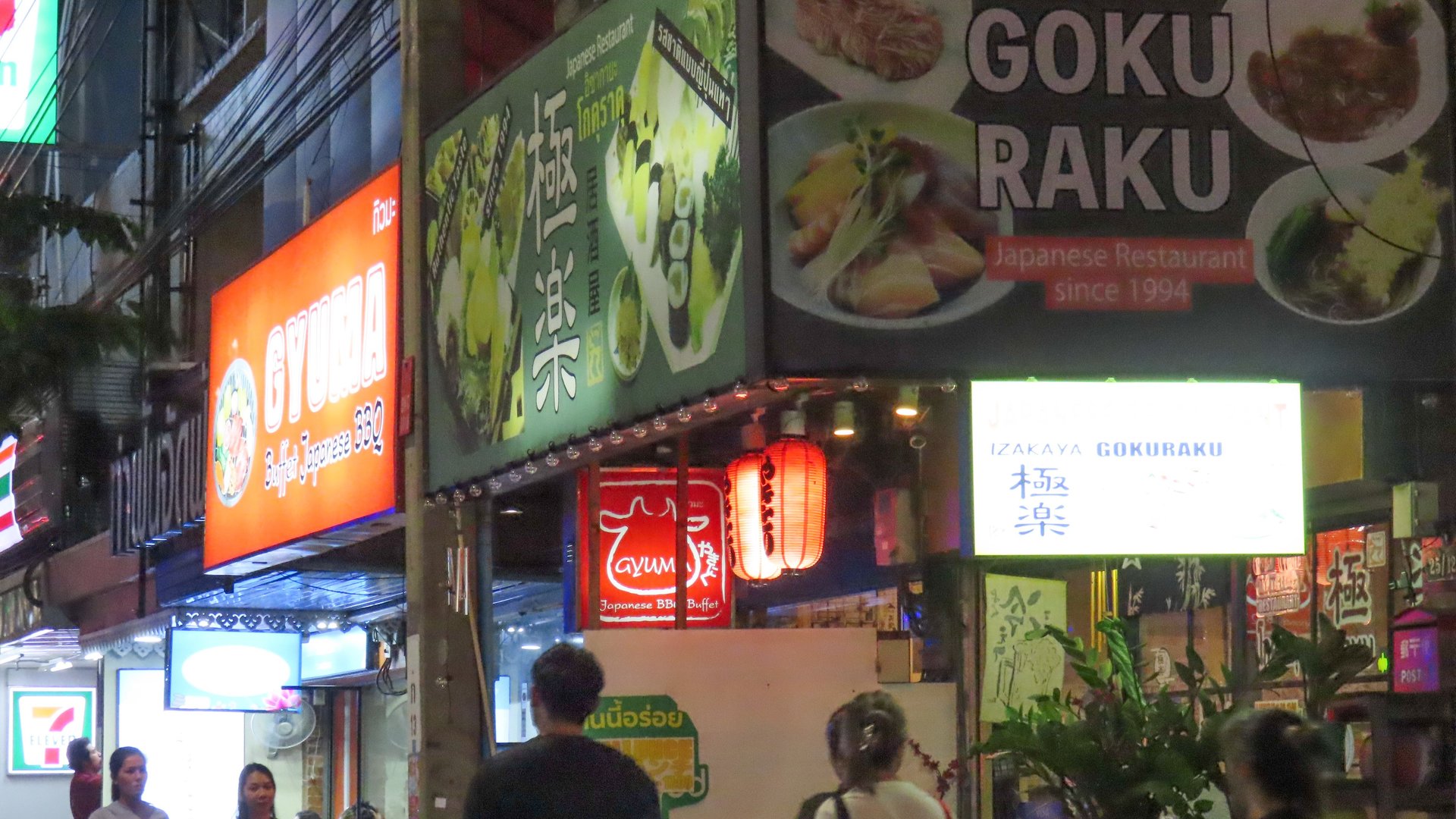
Thailand recorded a reduction in the number of Japanese restaurants in 2025, marking the first annual decline since comprehensive data began in 2007. According to a survey published by the Japan External Trade Organization (JETRO) Bangkok, the total number of Japanese eateries fell to 5,781 from 5,916 the previous year, representing a 2.2 percent decrease and a net loss of approximately 135 establishments.
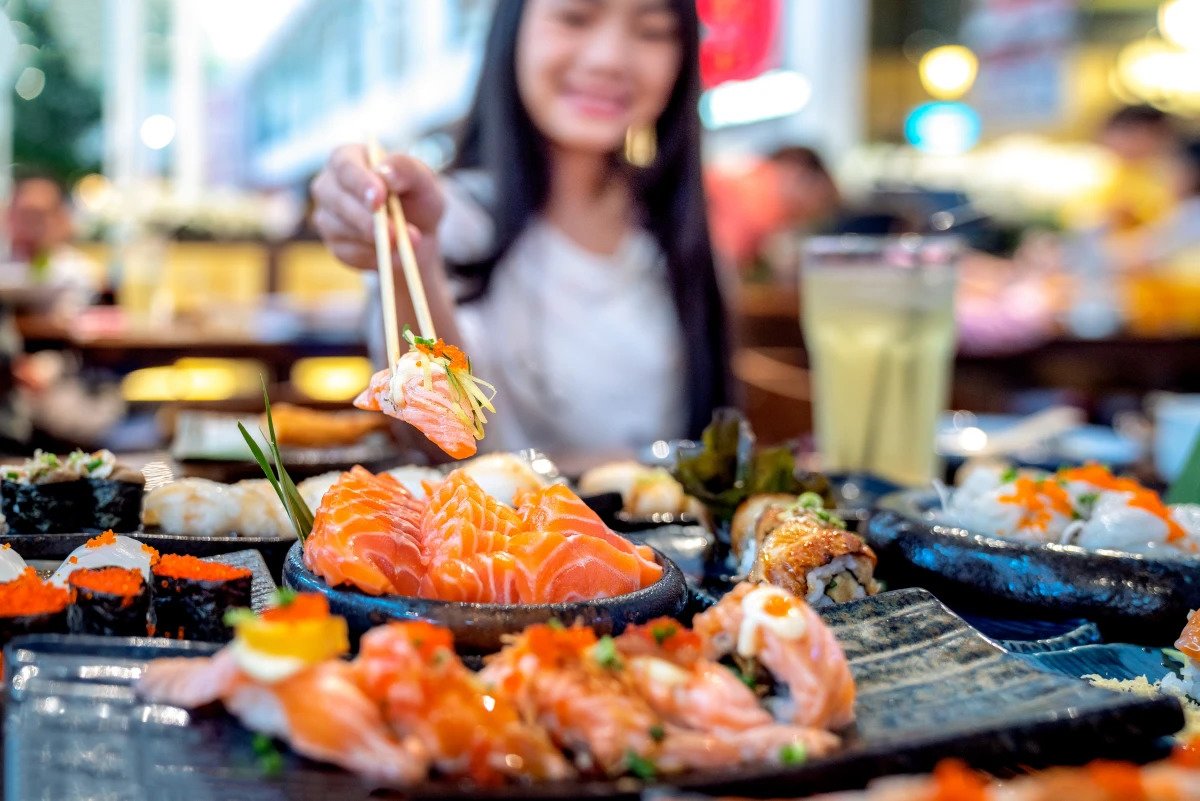
This shift follows years of steady growth that saw Japanese dining options become a staple across major urban and provincial markets, from sushi bars and ramen shops to izakayas and speciality cafes.
The nationwide contraction was most pronounced in key areas such as Bangkok, where the total slipped to 2,609 locations, as well as in provinces popular with tourists, including Chonburi, Chiang Mai and Phuket, all of which also saw declines.
Analysts say the market has reached a maturity point where saturation and competition have intensified, pressuring smaller and non-specialist operators, particularly in segments facing cost pressures and cautious consumer spending.
Despite this overall downtrend, a few regions bucked the pattern with increases in Japanese restaurant numbers, including Chanthaburi and Samut Sakhon provinces, highlighting uneven local dynamics.
Industry breakdowns suggest that while traditional full-service and sushi outlets remain the largest categories, growth in ramen and Japanese-style cafés persisted, with those sub-segments posting modest increases.
Observers attribute this to evolving consumer preferences for affordable, trend-driven dining experiences even as higher-end or less differentiated venues struggle to sustain operations.
The contraction underscores a broader transition within Thailand’s food service industry from rapid expansion toward consolidation, where quality, niche positioning and operational efficiency will be critical for future resilience.
This shift follows years of steady growth that saw Japanese dining options become a staple across major urban and provincial markets, from sushi bars and ramen shops to izakayas and speciality cafes.
The nationwide contraction was most pronounced in key areas such as Bangkok, where the total slipped to 2,609 locations, as well as in provinces popular with tourists, including Chonburi, Chiang Mai and Phuket, all of which also saw declines.
Analysts say the market has reached a maturity point where saturation and competition have intensified, pressuring smaller and non-specialist operators, particularly in segments facing cost pressures and cautious consumer spending.
Despite this overall downtrend, a few regions bucked the pattern with increases in Japanese restaurant numbers, including Chanthaburi and Samut Sakhon provinces, highlighting uneven local dynamics.
Industry breakdowns suggest that while traditional full-service and sushi outlets remain the largest categories, growth in ramen and Japanese-style cafés persisted, with those sub-segments posting modest increases.
Observers attribute this to evolving consumer preferences for affordable, trend-driven dining experiences even as higher-end or less differentiated venues struggle to sustain operations.
The contraction underscores a broader transition within Thailand’s food service industry from rapid expansion toward consolidation, where quality, niche positioning and operational efficiency will be critical for future resilience.