Thailand Advances Durian Export Strategy with New Standards to Sustain Global Leadership
Bangkok strengthens quality standards and regulatory measures to defend and grow Thailand’s durian export share amid rising competition and stricter import rules
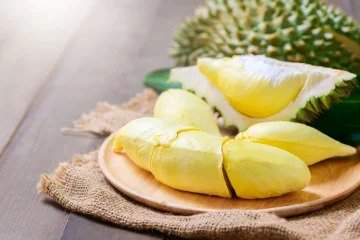
Thailand is intensifying its efforts to safeguard and expand its leading position in the global durian market by adopting enhanced export standards and regulatory measures designed to ensure product quality, compliance with international norms, and resilience against rising regional competition.
Exporters are now urged to align with new certification requirements that emphasise traceability and quality control from orchard to export packing, as Thai authorities prepare draft regulations under government direction to keep Thai durians competitive worldwide.
The Ministry of Agriculture and Cooperatives, acting on directives from the Prime Minister, has outlined standards that include minimum dry weight specifications for pulp — with the Monthong variety set at thirty-two per cent, Chanee at thirty per cent, and Kra Dum at twenty-eight per cent — to prevent unripe or substandard fruits from entering export channels.
These measures form part of Thailand’s broader strategy to elevate export quality and pursue long-term growth, with an ambition to lift the value of durian exports significantly and maintain its dominant export position.
Chinese market standards have recently tightened, prompting Thai exporters to comply with more rigorous safety checks for prohibited substances and contaminants such as Basic Yellow 2 dye and cadmium, while packing facilities and orchards must hold appropriate Good Agricultural Practice and Good Manufacturing Practice certifications before shipment.
Logistics strategies are also evolving, with stakeholders considering rail connections that offer improved temperature control despite higher costs, to ensure fruit quality on delivery.
At the same time, Thailand continues diplomatic and marketing efforts in key markets, particularly China where demand remains strong but competition from Vietnam, Malaysia and other Southeast Asian suppliers is increasing.
The Office of Agricultural Economics forecasts durian production will rise to approximately one-point-seven-eight million tonnes this year, underscoring both the opportunities and competitive pressures faced by the sector.
To complement regulatory upgrades, Thai industry and government forums have emphasised technology adoption, strengthened quality assurance systems, and enhanced brand positioning as part of efforts to sustain global confidence in Thai durian.
These strategic reforms aim not only to defend Thailand’s substantial share of the global market but also to meet evolving international import requirements and expand reach beyond traditional markets, ensuring the country’s durian industry remains robust and economically impactful.
Exporters are now urged to align with new certification requirements that emphasise traceability and quality control from orchard to export packing, as Thai authorities prepare draft regulations under government direction to keep Thai durians competitive worldwide.
The Ministry of Agriculture and Cooperatives, acting on directives from the Prime Minister, has outlined standards that include minimum dry weight specifications for pulp — with the Monthong variety set at thirty-two per cent, Chanee at thirty per cent, and Kra Dum at twenty-eight per cent — to prevent unripe or substandard fruits from entering export channels.
These measures form part of Thailand’s broader strategy to elevate export quality and pursue long-term growth, with an ambition to lift the value of durian exports significantly and maintain its dominant export position.
Chinese market standards have recently tightened, prompting Thai exporters to comply with more rigorous safety checks for prohibited substances and contaminants such as Basic Yellow 2 dye and cadmium, while packing facilities and orchards must hold appropriate Good Agricultural Practice and Good Manufacturing Practice certifications before shipment.
Logistics strategies are also evolving, with stakeholders considering rail connections that offer improved temperature control despite higher costs, to ensure fruit quality on delivery.
At the same time, Thailand continues diplomatic and marketing efforts in key markets, particularly China where demand remains strong but competition from Vietnam, Malaysia and other Southeast Asian suppliers is increasing.
The Office of Agricultural Economics forecasts durian production will rise to approximately one-point-seven-eight million tonnes this year, underscoring both the opportunities and competitive pressures faced by the sector.
To complement regulatory upgrades, Thai industry and government forums have emphasised technology adoption, strengthened quality assurance systems, and enhanced brand positioning as part of efforts to sustain global confidence in Thai durian.
These strategic reforms aim not only to defend Thailand’s substantial share of the global market but also to meet evolving international import requirements and expand reach beyond traditional markets, ensuring the country’s durian industry remains robust and economically impactful.