Thailand Boosts Chinese Arms Acquisitions Despite US Treaty Alliance and Strategic Balance
Bangkok expands purchases of Chinese military hardware amid pragmatic defence planning, reflecting multi-vector security strategy in a shifting regional landscape
Thailand, a longstanding treaty ally of the United States, is significantly increasing its acquisition of military equipment from China, signalling a nuanced and pragmatic approach to national defence amid evolving regional tensions.
Recent high-level agreements have seen Bangkok add Chinese-made armoured vehicles, and progress on a long-pending Chinese submarine order, as part of a broader effort to modernise its forces and meet strategic priorities under its latest defence budget.
Analysts say these moves reflect cost-effective procurement and Thailand’s desire to preserve flexibility in its security partnerships.
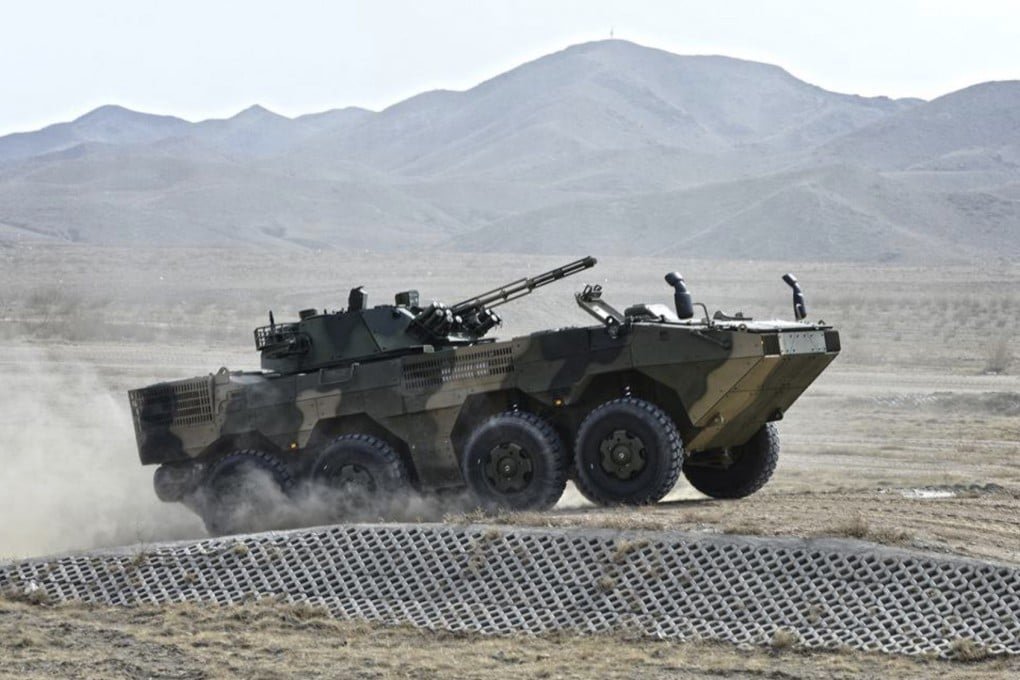
On January 12, the Royal Thai Army concluded a government-to-government deal to purchase an additional batch of VN-1 armoured personnel carriers from China’s state-owned Norinco, valued at around one billion baht, adding roughly twenty units to a fleet already exceeding one hundred.
The transaction is part of the armed forces’ effort to strengthen frontline infantry support, particularly in light of ongoing border tensions with Cambodia.
Meanwhile, the Royal Thai Navy’s long-anticipated S26T submarine acquisition from China has resumed progress, with senior naval officials conducting inspections in Beijing, underscoring a commitment to enhancing undersea capabilities.
These developments coincide with a trend of increasingly sophisticated Chinese military exports to Southeast Asian states, boosting interoperability with Thai forces and diversifying Bangkok’s defence supply base.
Observers note that China has emerged as a leading supplier of military hardware to Thailand over recent years, accounting for a substantial share of its major weapon imports — in part because Beijing’s offerings tend to be competitively priced and readily available.
This growing reliance sits alongside Thailand’s traditional cooperation with the United States, which continues to provide advanced Western platforms, training and joint exercises such as Cobra Gold.
Experts describe Bangkok’s posture as one of strategic hedging, seeking to avoid over-dependence on any single partner while bolstering national security.
While Thailand’s alliance with the United States remains institutionally strong, occasional diplomatic frictions have reduced direct military aid and pushed Bangkok to seek alternatives.
As a result, Chinese-supplied equipment increasingly complements Thai military capabilities, enabling operational readiness without undue strain on the defence budget.
Analysts say this reflects Thailand’s broader aim of maintaining equilibrium between major powers, preserving sovereign decision-making and ensuring access to diverse sources of military technology and support.
Recent high-level agreements have seen Bangkok add Chinese-made armoured vehicles, and progress on a long-pending Chinese submarine order, as part of a broader effort to modernise its forces and meet strategic priorities under its latest defence budget.
Analysts say these moves reflect cost-effective procurement and Thailand’s desire to preserve flexibility in its security partnerships.
On January 12, the Royal Thai Army concluded a government-to-government deal to purchase an additional batch of VN-1 armoured personnel carriers from China’s state-owned Norinco, valued at around one billion baht, adding roughly twenty units to a fleet already exceeding one hundred.
The transaction is part of the armed forces’ effort to strengthen frontline infantry support, particularly in light of ongoing border tensions with Cambodia.
Meanwhile, the Royal Thai Navy’s long-anticipated S26T submarine acquisition from China has resumed progress, with senior naval officials conducting inspections in Beijing, underscoring a commitment to enhancing undersea capabilities.
These developments coincide with a trend of increasingly sophisticated Chinese military exports to Southeast Asian states, boosting interoperability with Thai forces and diversifying Bangkok’s defence supply base.
Observers note that China has emerged as a leading supplier of military hardware to Thailand over recent years, accounting for a substantial share of its major weapon imports — in part because Beijing’s offerings tend to be competitively priced and readily available.
This growing reliance sits alongside Thailand’s traditional cooperation with the United States, which continues to provide advanced Western platforms, training and joint exercises such as Cobra Gold.
Experts describe Bangkok’s posture as one of strategic hedging, seeking to avoid over-dependence on any single partner while bolstering national security.
While Thailand’s alliance with the United States remains institutionally strong, occasional diplomatic frictions have reduced direct military aid and pushed Bangkok to seek alternatives.
As a result, Chinese-supplied equipment increasingly complements Thai military capabilities, enabling operational readiness without undue strain on the defence budget.
Analysts say this reflects Thailand’s broader aim of maintaining equilibrium between major powers, preserving sovereign decision-making and ensuring access to diverse sources of military technology and support.