Thailand Affirms Air Traffic Stability Amid Conflict as South Korean Visitors Bolster Tourism
Thai aviation authorities confirm uninterrupted skies while inbound tourism from South Korea and other markets strengthens travel sector resilience
Thai air traffic authorities have confirmed that commercial flight operations across the kingdom remain normal and unaffected despite ongoing border clashes with Cambodia, underscoring Thailand’s capacity to maintain aviation safety and connectivity in a complex security environment.
Aeronautical Radio of Thailand Ltd. (AEROTHAI), in coordination with the Civil Aviation Authority of Thailand (CAAT), has reiterated that domestic and international flights operate as scheduled, with airspace monitoring and management measures ensuring no disruption to routine services even as danger zones are designated over frontier districts.
Transport officials report that close coordination with defence and security agencies has enabled seamless routing that avoids sensitive areas without necessitating widespread cancellations or delays.
CAAT emphasised that Thai airspace remains open for commercial flights and continues to support the prioritisation of military operations where necessary, while protecting civilian movements.
Airlines and air traffic controllers have maintained heightened monitoring, and passengers are reassured that all major airports in the country, including Bangkok’s primary hubs and other regional gateways, are functioning normally.
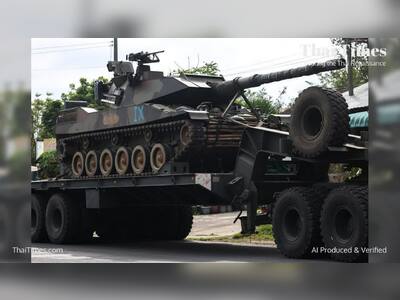
These assurances come amid renewed tensions along the Thailand–Cambodia border, where ground fighting and military operations have prompted safety notifications for specific airspace sectors but have not imperilled broader aviation operations.
Meanwhile, Thailand’s tourism industry continues to demonstrate strong momentum, propelled in part by a significant influx of visitors from South Korea.
Government data show that South Korean arrivals have risen strongly in 2025, with more than one point four million visitors recorded through early December, making South Korea one of the top five source markets for foreign tourists.
This surge reflects Thailand’s successful appeal to short-haul leisure markets and effective tourism promotion strategies, even as regional uncertainties affect overland travel routes within Southeast Asia.
Tourism officials note that the overall foreign visitor count for 2025 has exceeded thirty million, contributing substantial revenue to the national economy and reinforcing Thailand’s position as a leading destination despite global and regional headwinds.
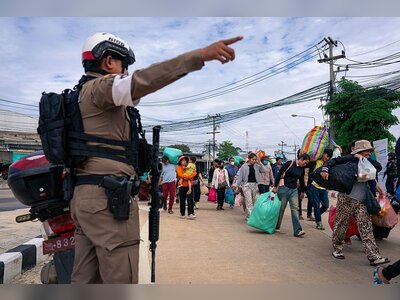
While border tensions have prompted heightened security measures and advisories for frontier provinces, core tourism hubs including Bangkok, Phuket, Chiang Mai, and coastal resort regions remain fully operational and welcoming to international travellers.
Thailand’s authorities continue to monitor both security and travel developments closely, ensuring that commercial aviation and tourism remain resilient pillars of the nation’s connectivity and economic recovery.
Aeronautical Radio of Thailand Ltd. (AEROTHAI), in coordination with the Civil Aviation Authority of Thailand (CAAT), has reiterated that domestic and international flights operate as scheduled, with airspace monitoring and management measures ensuring no disruption to routine services even as danger zones are designated over frontier districts.
Transport officials report that close coordination with defence and security agencies has enabled seamless routing that avoids sensitive areas without necessitating widespread cancellations or delays.
CAAT emphasised that Thai airspace remains open for commercial flights and continues to support the prioritisation of military operations where necessary, while protecting civilian movements.
Airlines and air traffic controllers have maintained heightened monitoring, and passengers are reassured that all major airports in the country, including Bangkok’s primary hubs and other regional gateways, are functioning normally.
These assurances come amid renewed tensions along the Thailand–Cambodia border, where ground fighting and military operations have prompted safety notifications for specific airspace sectors but have not imperilled broader aviation operations.
Meanwhile, Thailand’s tourism industry continues to demonstrate strong momentum, propelled in part by a significant influx of visitors from South Korea.
Government data show that South Korean arrivals have risen strongly in 2025, with more than one point four million visitors recorded through early December, making South Korea one of the top five source markets for foreign tourists.
This surge reflects Thailand’s successful appeal to short-haul leisure markets and effective tourism promotion strategies, even as regional uncertainties affect overland travel routes within Southeast Asia.
Tourism officials note that the overall foreign visitor count for 2025 has exceeded thirty million, contributing substantial revenue to the national economy and reinforcing Thailand’s position as a leading destination despite global and regional headwinds.
While border tensions have prompted heightened security measures and advisories for frontier provinces, core tourism hubs including Bangkok, Phuket, Chiang Mai, and coastal resort regions remain fully operational and welcoming to international travellers.
Thailand’s authorities continue to monitor both security and travel developments closely, ensuring that commercial aviation and tourism remain resilient pillars of the nation’s connectivity and economic recovery.