Thailand Rejects U.S. Claims of Ceasefire with Cambodia as Fighting Escalates
Bangkok insists military operations will continue despite President Trump’s assertion of a truce, as border clashes intensify and displacement mounts
Intense fighting between Thai and Cambodian forces along their disputed border has persisted despite recent assertions by U.S. President Donald Trump that a ceasefire had been agreed, with Thailand’s leadership unequivocally rejecting that characterization and pledging to continue military actions.
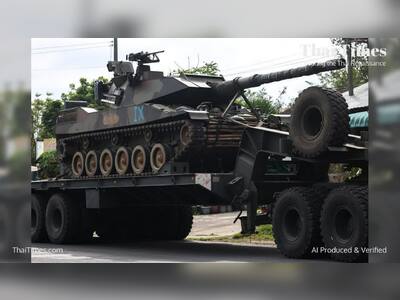
The clashes, which reignited in early December following a skirmish that wounded Thai soldiers, have now extended into a new week of hostilities, drawing in heavy artillery exchanges, air strikes, and rocket fire that both sides blame on the other.
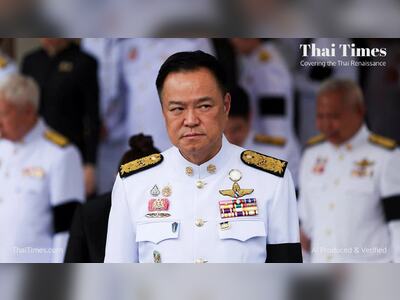
Thailand’s caretaker Prime Minister, Anutin Charnvirakul, reiterated that Bangkok would press on with operations “until we feel no more harm and threats to our land and people,” asserting that no formal cessation of shooting had taken place despite the U.S. president’s public statements.
Mr Trump had posted on social media that he had spoken with both Mr Anutin and Cambodian Prime Minister Hun Manet and that both nations had agreed to halt firing and recommit to a peace accord previously signed in October.
Neither government has confirmed the existence of such an agreement, and Thai officials have disputed elements of Mr Trump’s account, including descriptive details of battlefield incidents that sparked renewed conflict.
The clashes have unfolded across multiple Thai border provinces, with both Bangkok and Phnom Penh reporting casualties among troops and civilians.
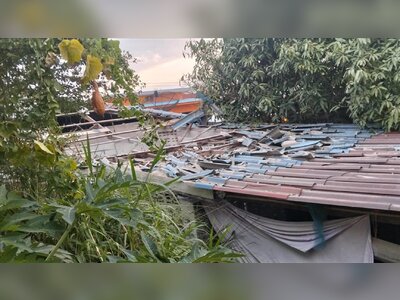
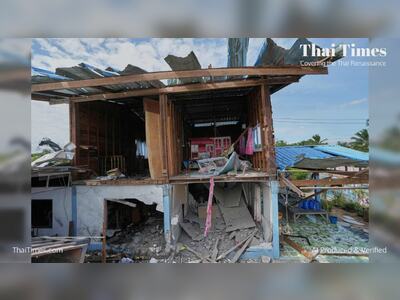
Thailand has employed fighter jets and drones in operations it characterizes as targeted at military infrastructure, while Cambodia has accused Thai forces of bombing civilian areas and critical infrastructure, including bridges and buildings, further complicating efforts to restore calm.
The use of long-range rocket systems by Cambodian units has also been cited by Thai authorities as a cause of civilian harm and displacement.
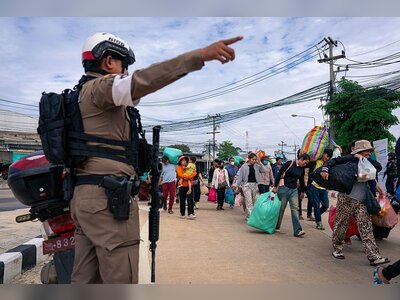
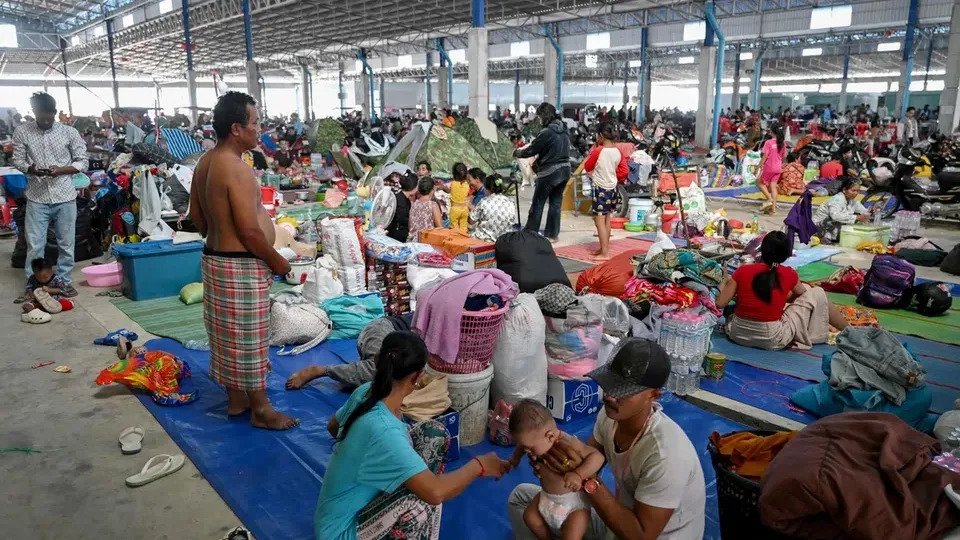
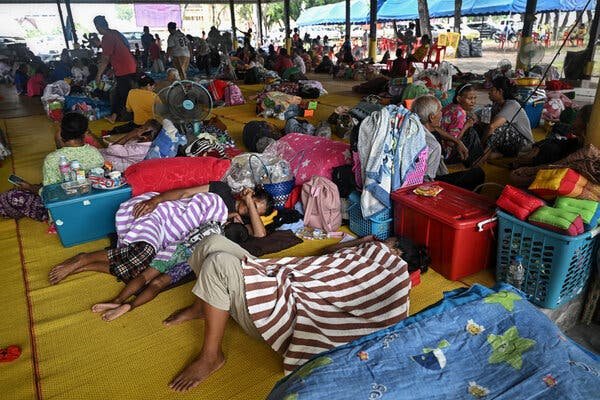
The humanitarian toll has been significant, with more than half a million people displaced on both sides of the frontier and at least one civilian death confirmed in Thailand resulting from Cambodian rocket fire.
Evacuation camps have been established, and conditions for many families are challenging, with shortages of basic necessities reported amid crowded shelters.
Amid the ongoing fighting, Malaysian Prime Minister Anwar Ibrahim has proposed deployment of a regional observer team supplemented by satellite monitoring to provide transparent reporting on the ground situation and support de-escalation efforts.
Thailand’s government has emphasized that diplomacy remains a possibility but argues that genuine progress towards peace requires Cambodia to demonstrate a cessation of hostile actions first.
Cambodia’s leadership has stated it remains ready for talks and has sought international verification of which side initiated renewed hostilities in early December.
As skirmishes continue and ceasefire claims remain contested, regional and international mediators are preparing for discussions aimed at defusing the situation at an upcoming Association of Southeast Asian Nations foreign ministers’ meeting, even as the conflict tests the durability of external diplomatic efforts.
The clashes, which reignited in early December following a skirmish that wounded Thai soldiers, have now extended into a new week of hostilities, drawing in heavy artillery exchanges, air strikes, and rocket fire that both sides blame on the other.
Thailand’s caretaker Prime Minister, Anutin Charnvirakul, reiterated that Bangkok would press on with operations “until we feel no more harm and threats to our land and people,” asserting that no formal cessation of shooting had taken place despite the U.S. president’s public statements.
Mr Trump had posted on social media that he had spoken with both Mr Anutin and Cambodian Prime Minister Hun Manet and that both nations had agreed to halt firing and recommit to a peace accord previously signed in October.
Neither government has confirmed the existence of such an agreement, and Thai officials have disputed elements of Mr Trump’s account, including descriptive details of battlefield incidents that sparked renewed conflict.
The clashes have unfolded across multiple Thai border provinces, with both Bangkok and Phnom Penh reporting casualties among troops and civilians.
Thailand has employed fighter jets and drones in operations it characterizes as targeted at military infrastructure, while Cambodia has accused Thai forces of bombing civilian areas and critical infrastructure, including bridges and buildings, further complicating efforts to restore calm.
The use of long-range rocket systems by Cambodian units has also been cited by Thai authorities as a cause of civilian harm and displacement.
The humanitarian toll has been significant, with more than half a million people displaced on both sides of the frontier and at least one civilian death confirmed in Thailand resulting from Cambodian rocket fire.
Evacuation camps have been established, and conditions for many families are challenging, with shortages of basic necessities reported amid crowded shelters.
Amid the ongoing fighting, Malaysian Prime Minister Anwar Ibrahim has proposed deployment of a regional observer team supplemented by satellite monitoring to provide transparent reporting on the ground situation and support de-escalation efforts.
Thailand’s government has emphasized that diplomacy remains a possibility but argues that genuine progress towards peace requires Cambodia to demonstrate a cessation of hostile actions first.
Cambodia’s leadership has stated it remains ready for talks and has sought international verification of which side initiated renewed hostilities in early December.
As skirmishes continue and ceasefire claims remain contested, regional and international mediators are preparing for discussions aimed at defusing the situation at an upcoming Association of Southeast Asian Nations foreign ministers’ meeting, even as the conflict tests the durability of external diplomatic efforts.