Taiwan–Thailand Cultural Ties Strengthened Through Two Decades of Matsu Worship
Commemorative ceremonies in Bangkok highlight deepening religious and community links between Taiwan and Thailand under shared devotion to the sea goddess
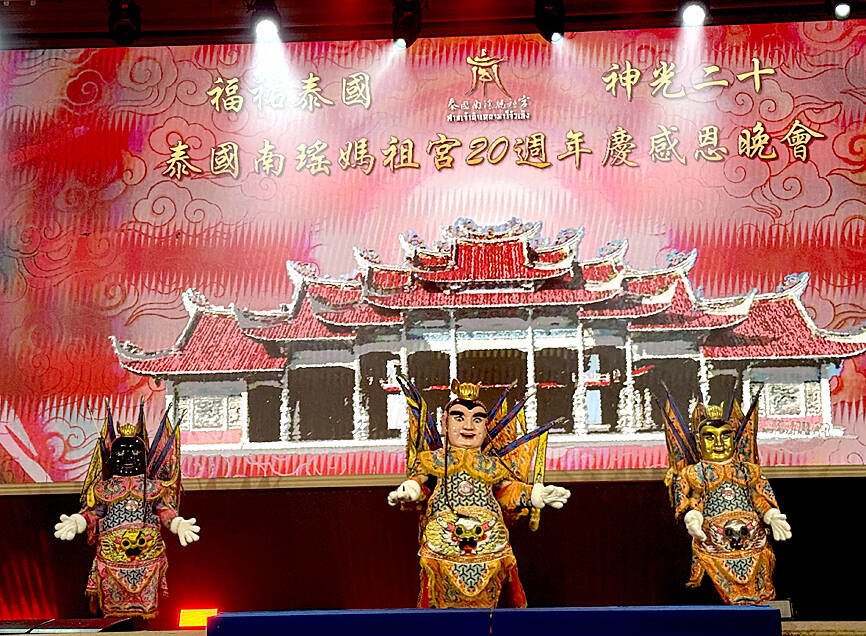
Officials and devotees from Taiwan and Thailand gathered in Samut Sakhon on Thursday to celebrate two decades of Matsu worship at the Nam Yao Mazho Gyung temple, an event that organisers say has fostered closer ties between the two societies.
The ceremony marked the twentieth anniversary of the temple’s founding — established by Taiwanese businesspeople who introduced the worship of the sea goddess Matsu to the local community — and the commencement of construction on a larger main shrine to be completed within the next three to five years.
Matsu, a revered figure in Chinese folk religion known as a protector of seafarers and coastal communities, has long been central to Taiwan’s cultural and spiritual life, with major pilgrimages and festivals drawing hundreds of thousands of followers.
Its presence in Thailand reflects the transnational reach of this faith and its role in connecting overseas communities with Taiwanese heritage.
More than a thousand worshippers and visitors from across Thailand and Taiwan attended the anniversary event, which featured traditional performances and religious observances.
Representatives from Changhua Nanyao Temple, which first granted the Bangkok temple its branch shrine status in 2006, participated alongside Taiwanese dignitaries and local leaders, underlining the collaborative nature of the relationship.
The expansion project is intended not only to provide a larger space for worship but also to support ongoing cultural exchanges and charity work that organisers say will deepen understanding and goodwill between the two countries.
Speakers at the event emphasised the significance of Matsu worship as a cultural bridge that transcends national boundaries, describing the temple as an important site for cultural interaction where shared traditions can flourish.
They noted that Matsu devotion has helped bring together Taiwanese expatriates and Thai believers, fostering a sense of community rooted in mutual respect and spiritual connection.
The new construction, they said, reflects the enduring strength of this bond and the desire to ensure that Matsu’s benevolence continues to benefit future generations.
As the project progresses, organisers plan to expand the temple’s programmes to include further charitable initiatives and cultural exchanges, building on two decades of collaboration and reaffirming the role of shared religious heritage in supporting cross-border ties.
The ceremony marked the twentieth anniversary of the temple’s founding — established by Taiwanese businesspeople who introduced the worship of the sea goddess Matsu to the local community — and the commencement of construction on a larger main shrine to be completed within the next three to five years.
Matsu, a revered figure in Chinese folk religion known as a protector of seafarers and coastal communities, has long been central to Taiwan’s cultural and spiritual life, with major pilgrimages and festivals drawing hundreds of thousands of followers.
Its presence in Thailand reflects the transnational reach of this faith and its role in connecting overseas communities with Taiwanese heritage.
More than a thousand worshippers and visitors from across Thailand and Taiwan attended the anniversary event, which featured traditional performances and religious observances.
Representatives from Changhua Nanyao Temple, which first granted the Bangkok temple its branch shrine status in 2006, participated alongside Taiwanese dignitaries and local leaders, underlining the collaborative nature of the relationship.
The expansion project is intended not only to provide a larger space for worship but also to support ongoing cultural exchanges and charity work that organisers say will deepen understanding and goodwill between the two countries.
Speakers at the event emphasised the significance of Matsu worship as a cultural bridge that transcends national boundaries, describing the temple as an important site for cultural interaction where shared traditions can flourish.
They noted that Matsu devotion has helped bring together Taiwanese expatriates and Thai believers, fostering a sense of community rooted in mutual respect and spiritual connection.
The new construction, they said, reflects the enduring strength of this bond and the desire to ensure that Matsu’s benevolence continues to benefit future generations.
As the project progresses, organisers plan to expand the temple’s programmes to include further charitable initiatives and cultural exchanges, building on two decades of collaboration and reaffirming the role of shared religious heritage in supporting cross-border ties.