Thai-Cambodian Conflict Escalates with Airstrikes, Refugee Crisis and Fragile Ceasefire Breakdown
Renewed border clashes have displaced hundreds of thousands and seen both sides accuse each other of breaking ceasefire agreements despite international mediation efforts
Violent clashes between Thailand and Cambodia have escalated sharply, with renewed airstrikes, artillery duels and ground fighting along their disputed boundary marking one of the most serious outbreaks of conflict in decades.
The confrontation began in early December after a skirmish wounded Thai soldiers along the contested frontier, derailing a fragile ceasefire that was first brokered earlier in the year and later reinforced in a peace agreement signed in Malaysia in October in the presence of U.S. President Donald Trump.
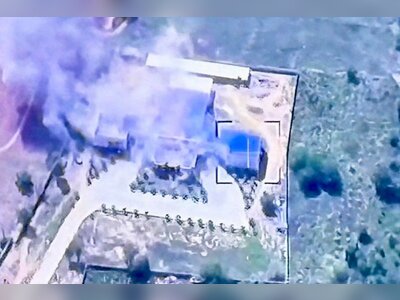
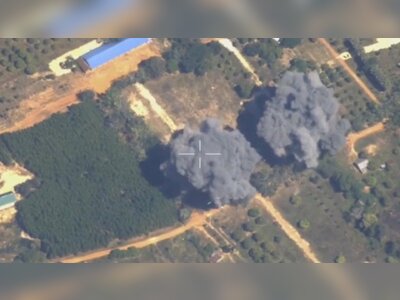
The latest fighting has included Thai fighter jets launching airstrikes against Cambodian military positions, while both sides have accused each other of breach and provocation.
The intensifying combat has triggered a significant humanitarian crisis.
Cambodian authorities say that airstrikes and heavy weapon exchanges have forced at least 400,000 civilians to flee their homes, while Thailand reports its own displaced populations and casualties from rocket fire and artillery strikes in its border provinces.
Fighting has spread across multiple areas of the 817-kilometre frontier, including regions near historic temple sites, forcing evacuations, school closures and disruptions to daily life on both sides.
Efforts to enforce past ceasefire agreements have faltered as each government blames the other for continued hostilities.
Trump’s earlier mediation efforts — which helped secure an initial cessation of hostilities — have been contested, with Thai officials disputing claims of a renewed truce while Cambodian leaders emphasise readiness to cooperate toward lasting peace.
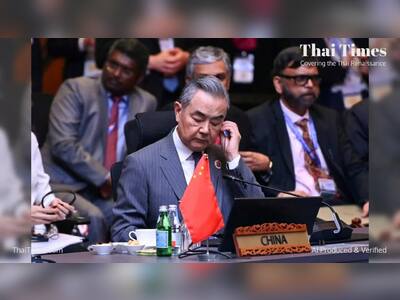
Regional actors including the Association of Southeast Asian Nations and Malaysian officials are calling for renewed dialogue, but deep mistrust, competing territorial claims rooted in long-standing historical disputes and a surge in nationalist rhetoric have complicated diplomatic progress.
Against this backdrop, everyday life beyond the immediate conflict zones remains relatively unaffected in major cities and tourist destinations in both nations, with authorities in Thailand emphasising that travel and commerce continue normally outside of the border provinces.
However, the human toll of the conflict and the collapse of ceasefire mechanisms have underscored the fragility of peace and the scale of the challenge facing leaders seeking to stabilise the region.
The confrontation began in early December after a skirmish wounded Thai soldiers along the contested frontier, derailing a fragile ceasefire that was first brokered earlier in the year and later reinforced in a peace agreement signed in Malaysia in October in the presence of U.S. President Donald Trump.
The latest fighting has included Thai fighter jets launching airstrikes against Cambodian military positions, while both sides have accused each other of breach and provocation.
The intensifying combat has triggered a significant humanitarian crisis.
Cambodian authorities say that airstrikes and heavy weapon exchanges have forced at least 400,000 civilians to flee their homes, while Thailand reports its own displaced populations and casualties from rocket fire and artillery strikes in its border provinces.
Fighting has spread across multiple areas of the 817-kilometre frontier, including regions near historic temple sites, forcing evacuations, school closures and disruptions to daily life on both sides.
Efforts to enforce past ceasefire agreements have faltered as each government blames the other for continued hostilities.
Trump’s earlier mediation efforts — which helped secure an initial cessation of hostilities — have been contested, with Thai officials disputing claims of a renewed truce while Cambodian leaders emphasise readiness to cooperate toward lasting peace.
Regional actors including the Association of Southeast Asian Nations and Malaysian officials are calling for renewed dialogue, but deep mistrust, competing territorial claims rooted in long-standing historical disputes and a surge in nationalist rhetoric have complicated diplomatic progress.
Against this backdrop, everyday life beyond the immediate conflict zones remains relatively unaffected in major cities and tourist destinations in both nations, with authorities in Thailand emphasising that travel and commerce continue normally outside of the border provinces.
However, the human toll of the conflict and the collapse of ceasefire mechanisms have underscored the fragility of peace and the scale of the challenge facing leaders seeking to stabilise the region.