Human Trafficking Victims in Scam Compounds Exposed to Danger Amid Thailand-Cambodia Conflict
Border clashes have struck sites linked to large online fraud networks that hold trafficked workers, raising urgent safety concerns for vulnerable victims
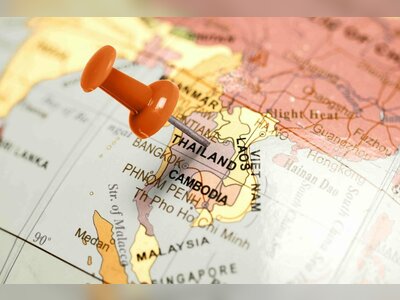
As fighting continues along the Thailand-Cambodia border, hundreds of trafficking victims forced to work in transnational scam compounds have been caught in the crossfire, prompting international concern and calls for their protection.
The conflict has seen Thai forces target casino and hotel complexes on the Cambodian side that were previously identified by rights groups and sanctions authorities as hubs for online scam operations and human trafficking.
These compounds are part of a vast multibillion-dollar cyber fraud ecosystem in Southeast Asia that draws thousands of people with promises of legitimate work and then coerces them into fraudulent activity under abusive conditions.
Trafficked individuals, often originating from countries across Asia and beyond, are recruited through misleading job offers and transported into secured compounds where their movement is restricted, identity documents confiscated and refusal to comply met with threats or violence.
United Nations estimates and human rights reporting have indicated that roughly one hundred thousand people may be held in such scam centres in Cambodia alone, many subjected to forced labour and other abuses, including torture, debt bondage and confinement in so-called “torture rooms.” The escalation of hostilities has placed these already vulnerable victims at increased risk, with shelling and airstrikes occurring at sites linked to scam networks.
This has prompted officials and rights advocates to stress the imperative of evacuating and safeguarding those trafficked workers amid the broader security crisis.
Thailand’s government has framed its operations against these compounds as part of broader efforts to counter transnational criminal networks that run large-scale online fraud and trafficking schemes.
However, Cambodian authorities have disputed claims that the affected sites were associated with scam operations, asserting they were civilian infrastructure.
Meanwhile, United Nations human rights officials have underscored the exposure of trafficked foreign nationals to further peril due to the conflict and urged immediate action to evacuate and protect them.
The intersecting crises — border war and criminal exploitation — have elevated the plight of scam victims into a humanitarian concern, highlighting the need for coordinated regional action to both resolve the conflict and dismantle the networks that trafficked individuals into forced criminality.
The conflict has seen Thai forces target casino and hotel complexes on the Cambodian side that were previously identified by rights groups and sanctions authorities as hubs for online scam operations and human trafficking.
These compounds are part of a vast multibillion-dollar cyber fraud ecosystem in Southeast Asia that draws thousands of people with promises of legitimate work and then coerces them into fraudulent activity under abusive conditions.
Trafficked individuals, often originating from countries across Asia and beyond, are recruited through misleading job offers and transported into secured compounds where their movement is restricted, identity documents confiscated and refusal to comply met with threats or violence.
United Nations estimates and human rights reporting have indicated that roughly one hundred thousand people may be held in such scam centres in Cambodia alone, many subjected to forced labour and other abuses, including torture, debt bondage and confinement in so-called “torture rooms.” The escalation of hostilities has placed these already vulnerable victims at increased risk, with shelling and airstrikes occurring at sites linked to scam networks.
This has prompted officials and rights advocates to stress the imperative of evacuating and safeguarding those trafficked workers amid the broader security crisis.
Thailand’s government has framed its operations against these compounds as part of broader efforts to counter transnational criminal networks that run large-scale online fraud and trafficking schemes.
However, Cambodian authorities have disputed claims that the affected sites were associated with scam operations, asserting they were civilian infrastructure.
Meanwhile, United Nations human rights officials have underscored the exposure of trafficked foreign nationals to further peril due to the conflict and urged immediate action to evacuate and protect them.
The intersecting crises — border war and criminal exploitation — have elevated the plight of scam victims into a humanitarian concern, highlighting the need for coordinated regional action to both resolve the conflict and dismantle the networks that trafficked individuals into forced criminality.