
Can a Pro-Military, Nationalist Message Propel Thailand’s Most Hawkish Party to Victory?
As Thais head to polls on February 8, Bhumjaithai’s nationalist, defence-oriented campaign tests political currents shaped by conflict, economic strain and reformist momentum
As Thailand’s general election approaches on February 8, political analysts are scrutinising whether the pro-military, hawkish messaging of the Bhumjaithai Party can translate into electoral success amid fierce competition and shifting voter priorities.
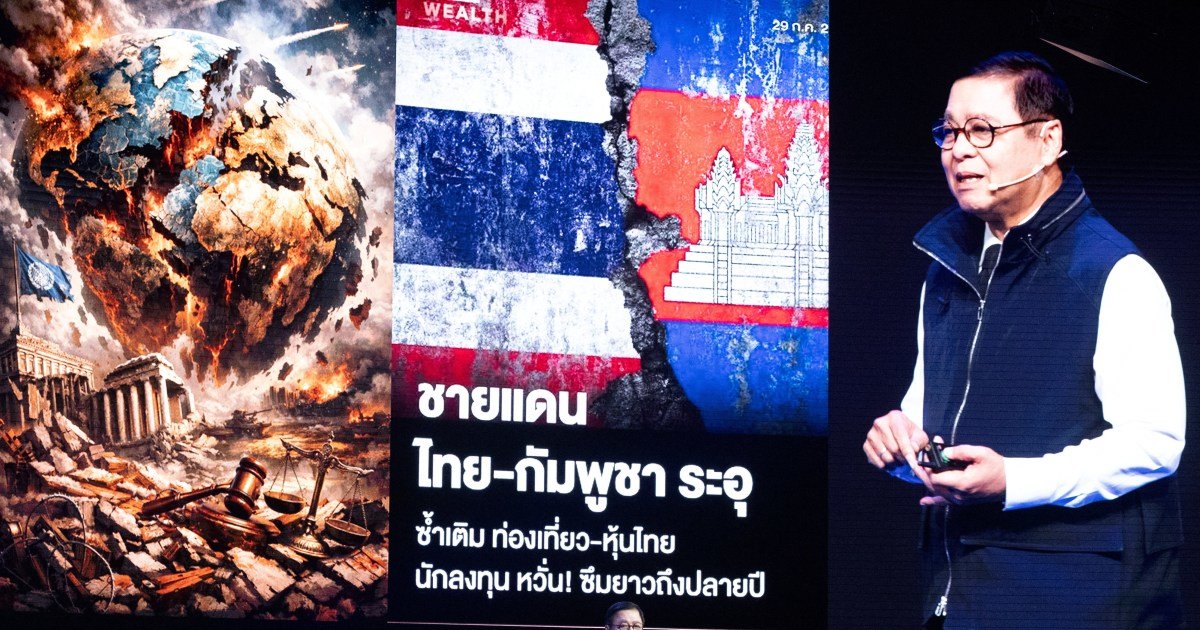
The party, led by incumbent Prime Minister Anutin Charnvirakul, has leaned into nationalist rhetoric shaped by recent clashes with Cambodia — a strategy that has both boosted its appeal among conservative voters and sharpened contrasts with reformist rivals.
The party’s campaign has emphasised its willingness to defend Thailand’s sovereignty and security, framing Bhumjaithai as a stalwart guardian of national integrity.
With border tensions simmering from intermittent confrontations in 2025, this narrative resonates with sections of the electorate that value military strength and patriotic leadership.
Party figures have underscored their readiness to protect Thai territory and maintain public order, messaging that aims to consolidate support among voters prioritising stability.
Yet this political strategy unfolds against a broader backdrop in which economic concerns continue to dominate public sentiment.
Recent surveys indicate that nearly half of Thai voters cite economic issues — including slow growth, high household debt and cost-of-living pressures — as their foremost priority ahead of the election, far outpacing security concerns.
These economic anxieties could temper the impact of nationalist messaging as voters evaluate party platforms on jobs, growth and financial well-being.
Meanwhile, the reform-oriented People’s Party, buoyed by strong support among urban and youth voters, leads in several polls despite softening its stance on contentious issues such as military reform.
The party advocates structural reforms including ending conscription and revising Thailand’s constitution even as it navigates political sensitivities.
Polling suggests that while people appreciate its agenda, the People’s Party may still struggle to secure a parliamentary majority amid entrenched establishment interests and the challenge of building coalition support.
Analysts say the outcome may hinge on how voters balance nationalist, pro-military appeals with pressing economic needs and long-standing calls for political reform.
With no single party poised to win an outright majority, the composition of post-election coalitions will likely shape Thailand’s policy direction.
The pro-military message’s effectiveness may ultimately reflect not just defence posturing, but how well it addresses the immediate economic and social concerns occupying voters’ minds.
The party, led by incumbent Prime Minister Anutin Charnvirakul, has leaned into nationalist rhetoric shaped by recent clashes with Cambodia — a strategy that has both boosted its appeal among conservative voters and sharpened contrasts with reformist rivals.
The party’s campaign has emphasised its willingness to defend Thailand’s sovereignty and security, framing Bhumjaithai as a stalwart guardian of national integrity.
With border tensions simmering from intermittent confrontations in 2025, this narrative resonates with sections of the electorate that value military strength and patriotic leadership.
Party figures have underscored their readiness to protect Thai territory and maintain public order, messaging that aims to consolidate support among voters prioritising stability.
Yet this political strategy unfolds against a broader backdrop in which economic concerns continue to dominate public sentiment.
Recent surveys indicate that nearly half of Thai voters cite economic issues — including slow growth, high household debt and cost-of-living pressures — as their foremost priority ahead of the election, far outpacing security concerns.
These economic anxieties could temper the impact of nationalist messaging as voters evaluate party platforms on jobs, growth and financial well-being.
Meanwhile, the reform-oriented People’s Party, buoyed by strong support among urban and youth voters, leads in several polls despite softening its stance on contentious issues such as military reform.
The party advocates structural reforms including ending conscription and revising Thailand’s constitution even as it navigates political sensitivities.
Polling suggests that while people appreciate its agenda, the People’s Party may still struggle to secure a parliamentary majority amid entrenched establishment interests and the challenge of building coalition support.
Analysts say the outcome may hinge on how voters balance nationalist, pro-military appeals with pressing economic needs and long-standing calls for political reform.
With no single party poised to win an outright majority, the composition of post-election coalitions will likely shape Thailand’s policy direction.
The pro-military message’s effectiveness may ultimately reflect not just defence posturing, but how well it addresses the immediate economic and social concerns occupying voters’ minds.