Thai ‘Advance–Seize–Hold’ Border Moves Undermine Cambodian PM Hun Manet’s Standing
Thai military’s territorial gains and fortified positions after ceasefire strain Phnom Penh’s diplomatic posture and raise domestic criticism of Hun Manet
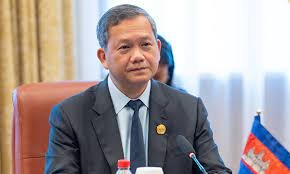
In the wake of a fragile ceasefire with Cambodia, Thailand’s armed forces have employed an “advance–seize–hold” tactic along their contested border that has unsettled perceptions of Cambodian Prime Minister Hun Manet’s leadership and complicated bilateral ties.
Thai commanders assert they have retaken areas they consider sovereign territory while establishing control zones that extend into positions just across the frontier, measures they say are necessary to deter attacks and secure Thai borders.
These actions have included digging trenches, laying barbed wire, and erecting defensive fortifications within a buffer of roughly five hundred metres from what Thailand regards as its territory, moves that Phnom Penh has formally protested as incursions.
The clashes and subsequent military posture have come amid ongoing tension from a broader border crisis that saw renewed hostilities after a ceasefire in December 2025, complicating efforts to stabilise relations after years of dispute over imprecisely demarcated territory.
Thai officials report that disputed sites, including locations near Chong Chom in Surin province, have been used by opposing forces for attacks, including drone operations, prompting the Thai response.
Troops have also dismantled structures and cleared areas that Bangkok deems encroachments, activities that have inflamed public opinion in Cambodia and provided ammunition for critics of Hun Manet’s handling of the crisis.
The situation has substantial political ramifications in Phnom Penh, where Hun Manet’s government now faces heightened scrutiny over perceived weakness in countering Thai military pressure.
Although both sides agreed to a ceasefire under regional diplomatic auspices last year, the resumption of fortification and control moves underscores the fragility of peace efforts and the difficulty of translating diplomatic accords into lasting stability.
Analysts suggest that Cambodia’s decision to activate compulsory military conscription in response to the border tensions reflects broader concerns in Phnom Penh about national security and deterrence, further shaping domestic political narratives around Hun Manet’s leadership amid ongoing territorial friction.
Thai commanders assert they have retaken areas they consider sovereign territory while establishing control zones that extend into positions just across the frontier, measures they say are necessary to deter attacks and secure Thai borders.
These actions have included digging trenches, laying barbed wire, and erecting defensive fortifications within a buffer of roughly five hundred metres from what Thailand regards as its territory, moves that Phnom Penh has formally protested as incursions.
The clashes and subsequent military posture have come amid ongoing tension from a broader border crisis that saw renewed hostilities after a ceasefire in December 2025, complicating efforts to stabilise relations after years of dispute over imprecisely demarcated territory.
Thai officials report that disputed sites, including locations near Chong Chom in Surin province, have been used by opposing forces for attacks, including drone operations, prompting the Thai response.
Troops have also dismantled structures and cleared areas that Bangkok deems encroachments, activities that have inflamed public opinion in Cambodia and provided ammunition for critics of Hun Manet’s handling of the crisis.
The situation has substantial political ramifications in Phnom Penh, where Hun Manet’s government now faces heightened scrutiny over perceived weakness in countering Thai military pressure.
Although both sides agreed to a ceasefire under regional diplomatic auspices last year, the resumption of fortification and control moves underscores the fragility of peace efforts and the difficulty of translating diplomatic accords into lasting stability.
Analysts suggest that Cambodia’s decision to activate compulsory military conscription in response to the border tensions reflects broader concerns in Phnom Penh about national security and deterrence, further shaping domestic political narratives around Hun Manet’s leadership amid ongoing territorial friction.