Thailand’s Chicken Industry Prepares for Slower Expansion as Global Demand Normalises
Producers forecast more moderate growth in two thousand twenty-six amid easing export momentum and rising cost pressures
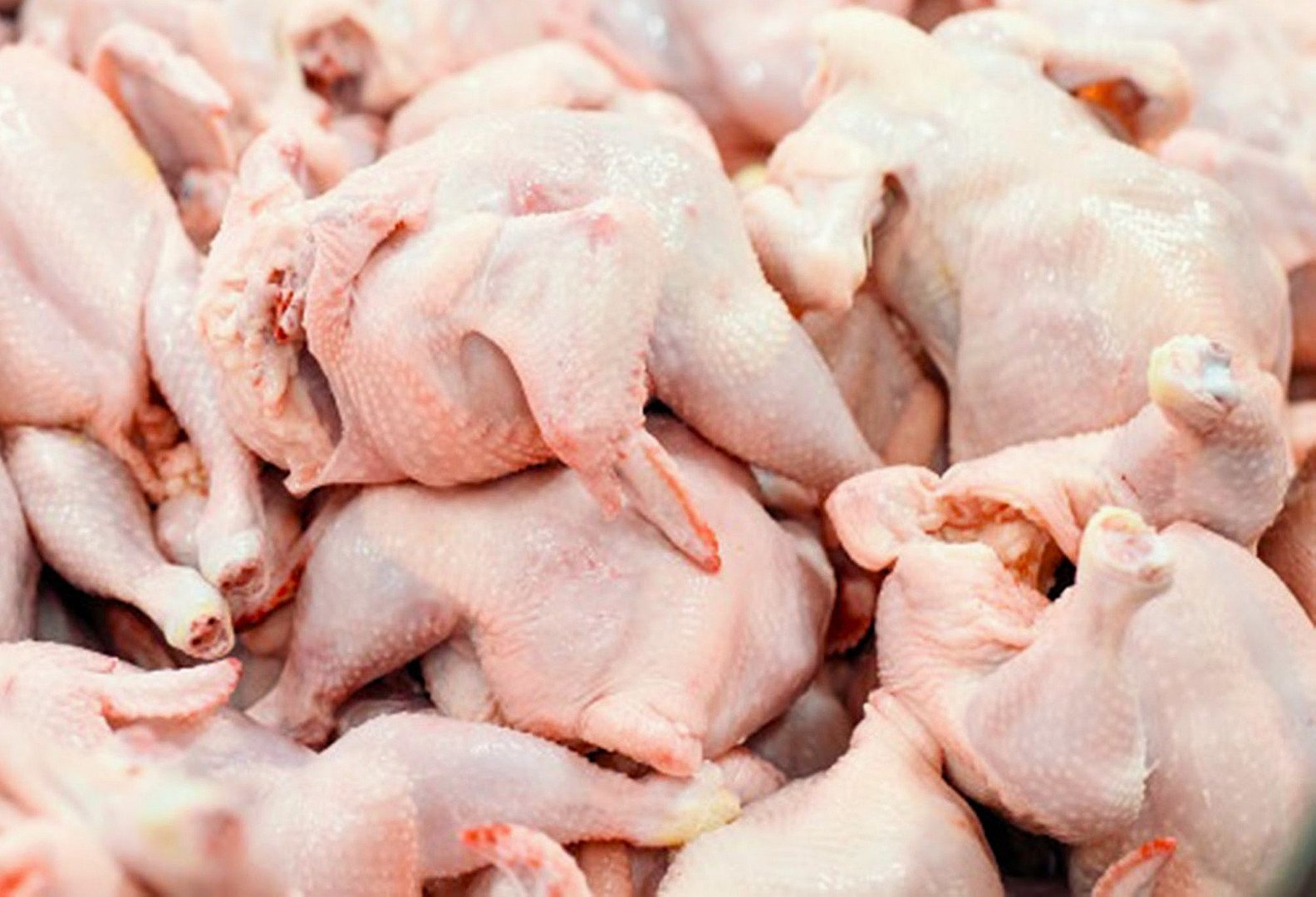
Thailand’s chicken industry is preparing for slower growth in two thousand twenty-six as export demand shows signs of stabilising following several years of strong expansion.
Industry representatives and analysts say the sector, one of Thailand’s most successful agri-food exporters, is entering a period of consolidation after benefiting from supply disruptions in competitor markets and robust overseas demand.
Producers expect export volumes to continue rising but at a more measured pace compared with recent years, as global poultry supply gradually normalises and key markets become more price-sensitive.
Higher feed costs, energy prices and labour expenses are also expected to weigh on margins, prompting companies to focus more closely on efficiency, productivity and value-added products rather than aggressive capacity expansion.
Despite the more cautious outlook, Thailand’s chicken sector remains structurally strong, supported by advanced biosecurity standards, integrated supply chains and long-standing trust among major importers.
Thai poultry exports continue to enjoy strong demand in Japan, Europe and parts of Asia, particularly for cooked and processed chicken products that meet strict food safety and animal health requirements.
Industry leaders note that investment will increasingly shift toward automation, sustainability and premium product development as producers adapt to changing global conditions.
While growth is expected to slow, the sector is widely seen as resilient and well positioned to maintain Thailand’s status as one of the world’s leading poultry exporters even in a more competitive and balanced global market.
Industry representatives and analysts say the sector, one of Thailand’s most successful agri-food exporters, is entering a period of consolidation after benefiting from supply disruptions in competitor markets and robust overseas demand.
Producers expect export volumes to continue rising but at a more measured pace compared with recent years, as global poultry supply gradually normalises and key markets become more price-sensitive.
Higher feed costs, energy prices and labour expenses are also expected to weigh on margins, prompting companies to focus more closely on efficiency, productivity and value-added products rather than aggressive capacity expansion.
Despite the more cautious outlook, Thailand’s chicken sector remains structurally strong, supported by advanced biosecurity standards, integrated supply chains and long-standing trust among major importers.
Thai poultry exports continue to enjoy strong demand in Japan, Europe and parts of Asia, particularly for cooked and processed chicken products that meet strict food safety and animal health requirements.
Industry leaders note that investment will increasingly shift toward automation, sustainability and premium product development as producers adapt to changing global conditions.
While growth is expected to slow, the sector is widely seen as resilient and well positioned to maintain Thailand’s status as one of the world’s leading poultry exporters even in a more competitive and balanced global market.