Thailand Implements ‘Burn-Free’ Corn Import Regulations to Reduce PM2.5 Pollution
New rules require certification of feed corn and wheat imports originating from fields without crop burning as Bangkok targets transboundary haze and strengthens environmental trade standards
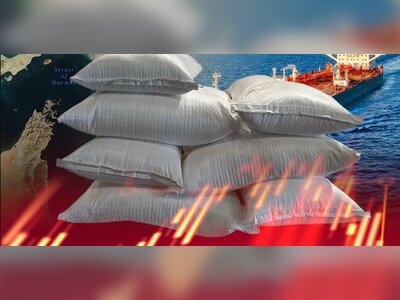
Thailand has introduced new import regulations requiring all animal feed corn and wheat entering the kingdom to be certified as coming from “burn-free” agricultural production, part of a broader strategy to combat seasonal transboundary air pollution and improve public health.
Effective January 1, 2026, the Ministry of Commerce’s Department of Foreign Trade has issued four regulatory measures approved by the Cabinet that govern feed ingredient imports for the year, with the most significant condition mandating that imported feed corn must originate from farms or production areas where crop remnants are not burnt.
Importers are required to prepare detailed documentation, including production-source information, proof of origin and supporting evidence demonstrating compliance with the no-burn requirement, and must retain these records for at least five years to facilitate traceability and potential audits.
During a transitional period, importers may provide self-certification or official certification from competent authorities in exporting countries or internationally recognised organisations, easing the adjustment to the new regime ahead of stricter enforcement tied to the Clean Air Act’s implementation.
The regulatory package also maintains duty-free access for feed corn originating from Association of Southeast Asian Nations (ASEAN) member states under the ASEAN Trade in Goods Agreement, but the period during which general importers may utilise this preferential tariff has been shortened to avoid undermining domestic production during the principal harvest season.
In addition, Thailand has expanded its World Trade Organization agricultural import quota for feed corn to one million tonnes for 2026, enhancing market access for both state and private importers, while wheat import permitting remains broadly consistent with previous years.
Government officials have urged importers to prioritise compliance with the new no-burn requirements and prepare internal systems for rigorous origin verification, underscoring a policy intent to align Thai agricultural supply chains with environmental and global trade standards while balancing industry needs and public health objectives.
These measures mark a significant shift in Thailand’s approach to regulating agricultural imports by embedding environmental criteria into commercial rules, responding to concerns over particulate matter pollution often exacerbated by agricultural burning practices in neighbouring countries.
Effective January 1, 2026, the Ministry of Commerce’s Department of Foreign Trade has issued four regulatory measures approved by the Cabinet that govern feed ingredient imports for the year, with the most significant condition mandating that imported feed corn must originate from farms or production areas where crop remnants are not burnt.
Importers are required to prepare detailed documentation, including production-source information, proof of origin and supporting evidence demonstrating compliance with the no-burn requirement, and must retain these records for at least five years to facilitate traceability and potential audits.
During a transitional period, importers may provide self-certification or official certification from competent authorities in exporting countries or internationally recognised organisations, easing the adjustment to the new regime ahead of stricter enforcement tied to the Clean Air Act’s implementation.
The regulatory package also maintains duty-free access for feed corn originating from Association of Southeast Asian Nations (ASEAN) member states under the ASEAN Trade in Goods Agreement, but the period during which general importers may utilise this preferential tariff has been shortened to avoid undermining domestic production during the principal harvest season.
In addition, Thailand has expanded its World Trade Organization agricultural import quota for feed corn to one million tonnes for 2026, enhancing market access for both state and private importers, while wheat import permitting remains broadly consistent with previous years.
Government officials have urged importers to prioritise compliance with the new no-burn requirements and prepare internal systems for rigorous origin verification, underscoring a policy intent to align Thai agricultural supply chains with environmental and global trade standards while balancing industry needs and public health objectives.
These measures mark a significant shift in Thailand’s approach to regulating agricultural imports by embedding environmental criteria into commercial rules, responding to concerns over particulate matter pollution often exacerbated by agricultural burning practices in neighbouring countries.