Thailand Eases Alcohol Rules While Tightening Cannabis Controls, Prompting Debate Over Policy Direction
Bangkok expands alcohol sale allowances to spur tourism and business even as cannabis is restricted to medical channels under new public health priorities
Thailand has recently implemented markedly different approaches to two regulated substances, loosening alcohol sale provisions in certain contexts while sharply restricting the legal availability of cannabis to medical and health-related settings.
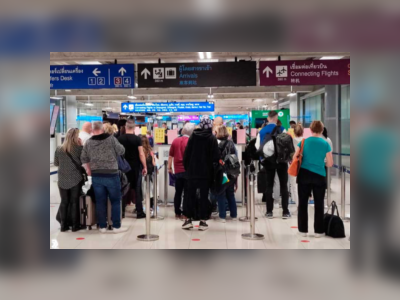
The government’s adjustment to alcohol policy allows sales around the clock at international airports, licensed entertainment venues and registered hotels, replacing decades-old curbs and aiming to support tourism and service industries, particularly after uneven recovery in visitor numbers.
Other adjustments review afternoon sales bans and expand permitted sale hours under a temporary framework, reflecting efforts to modernise an alcohol regulatory regime seen by many in the hospitality sector as outdated and restrictive.
By contrast, cannabis policy has swung decisively in the opposite direction.
From mid-2025 authorities rolled out new ministerial regulations that limit the sale, possession and use of cannabis strictly to medically prescribed contexts, with retail outlets required to hold specific licences linked to health facilities, pharmacies or traditional medical practitioners.
Tens of thousands of cannabis shops that proliferated following earlier liberalisation chose not to renew licences as the government reined in commercial distribution, with many closures already recorded and further contractions expected.
Officials have emphasised public health and community impact in explaining the cannabis tightening, arguing that unregulated recreational use had outpaced effective oversight and posed societal concerns.
The contrasting reforms reflect Thailand’s dual objectives of stimulating economic activity in sectors such as tourism and hospitality while asserting tighter control over substances perceived to carry greater social risk.
Advocates of the alcohol adjustments have welcomed the changes as long-awaited, noting potential benefits for small businesses and international visitors, while proponents of cannabis restriction frame the shift as a recalibration toward therapeutic use and improved regulatory discipline.
As both sets of rules take effect, Thailand’s policy trajectory illustrates the balancing act between economic liberalisation and public health governance in a rapidly evolving legal landscape.
The government’s adjustment to alcohol policy allows sales around the clock at international airports, licensed entertainment venues and registered hotels, replacing decades-old curbs and aiming to support tourism and service industries, particularly after uneven recovery in visitor numbers.
Other adjustments review afternoon sales bans and expand permitted sale hours under a temporary framework, reflecting efforts to modernise an alcohol regulatory regime seen by many in the hospitality sector as outdated and restrictive.
By contrast, cannabis policy has swung decisively in the opposite direction.
From mid-2025 authorities rolled out new ministerial regulations that limit the sale, possession and use of cannabis strictly to medically prescribed contexts, with retail outlets required to hold specific licences linked to health facilities, pharmacies or traditional medical practitioners.
Tens of thousands of cannabis shops that proliferated following earlier liberalisation chose not to renew licences as the government reined in commercial distribution, with many closures already recorded and further contractions expected.
Officials have emphasised public health and community impact in explaining the cannabis tightening, arguing that unregulated recreational use had outpaced effective oversight and posed societal concerns.
The contrasting reforms reflect Thailand’s dual objectives of stimulating economic activity in sectors such as tourism and hospitality while asserting tighter control over substances perceived to carry greater social risk.
Advocates of the alcohol adjustments have welcomed the changes as long-awaited, noting potential benefits for small businesses and international visitors, while proponents of cannabis restriction frame the shift as a recalibration toward therapeutic use and improved regulatory discipline.
As both sets of rules take effect, Thailand’s policy trajectory illustrates the balancing act between economic liberalisation and public health governance in a rapidly evolving legal landscape.