U.S.–Thailand Defense Alliance Shows Strains as Bangkok Deepens Ties with China
Historic security partnership faces pressure from shifting strategic priorities, rising Chinese influence and evolving military cooperation patterns
Thailand’s longstanding security alliance with the United States — one of Washington’s oldest in the Asia-Pacific — is showing signs of strain as Bangkok deepens its defence and strategic engagement with Beijing.
While Thailand remains a formal treaty ally of the United States dating back to the 1954 Manila Pact and retains its status as a major non-NATO ally, experts say the practical contours of the relationship have shifted amid growing Chinese influence and shifting regional priorities.
U.S.–Thai military cooperation has historically included annual joint exercises such as Cobra Gold, widely recognised as one of the largest multinational drills in the region and designed to enhance interoperability among allied forces.
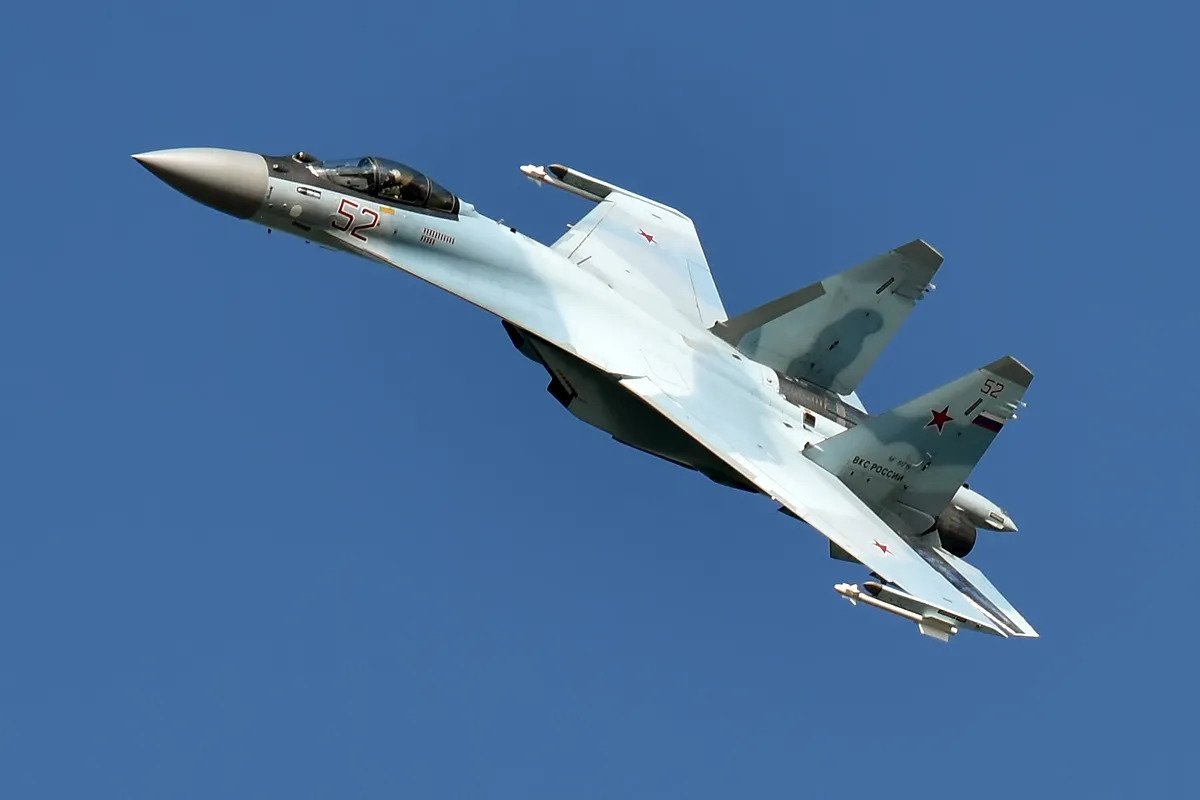
However, analysts note that Thailand’s defence procurements and exercises with China have expanded markedly over the past decade, with Beijing supplying a broader range of military hardware — from air defence systems to naval vessels — and conducting frequent joint training events with Thai forces.
Following a 2014 military coup that prompted Washington to scale back assistance and training, China stepped in with greater defence engagement, contributing to a recalibration of Thailand’s strategic outlook.
Observers say this shift has complicated U.S. access to Thai facilities and raised questions about the alliance’s operational relevance.
Some U.S. experts suggest that in a high-end regional conflict, particularly involving Taiwan, Thailand might not offer the same access or support it once could have, underscoring a potential erosion of strategic alignment.
The United States has also responded cautiously in arms sales, with Thailand’s aborted request for advanced F-35 combat aircraft widely seen as influenced by concerns over Bangkok’s close ties to the People’s Republic of China.
Beyond military cooperation, broader U.S. engagement in Southeast Asia appears to be evolving toward new multilateral frameworks and partners, leaving traditional alliances like that with Thailand comparatively less central.
Despite these emerging dynamics, both governments continue to reaffirm diplomatic and defence ties, even as Bangkok pursues a hedging strategy aimed at balancing relations between the two great powers while safeguarding national autonomy and regional stability.
While Thailand remains a formal treaty ally of the United States dating back to the 1954 Manila Pact and retains its status as a major non-NATO ally, experts say the practical contours of the relationship have shifted amid growing Chinese influence and shifting regional priorities.
U.S.–Thai military cooperation has historically included annual joint exercises such as Cobra Gold, widely recognised as one of the largest multinational drills in the region and designed to enhance interoperability among allied forces.
However, analysts note that Thailand’s defence procurements and exercises with China have expanded markedly over the past decade, with Beijing supplying a broader range of military hardware — from air defence systems to naval vessels — and conducting frequent joint training events with Thai forces.
Following a 2014 military coup that prompted Washington to scale back assistance and training, China stepped in with greater defence engagement, contributing to a recalibration of Thailand’s strategic outlook.
Observers say this shift has complicated U.S. access to Thai facilities and raised questions about the alliance’s operational relevance.
Some U.S. experts suggest that in a high-end regional conflict, particularly involving Taiwan, Thailand might not offer the same access or support it once could have, underscoring a potential erosion of strategic alignment.
The United States has also responded cautiously in arms sales, with Thailand’s aborted request for advanced F-35 combat aircraft widely seen as influenced by concerns over Bangkok’s close ties to the People’s Republic of China.
Beyond military cooperation, broader U.S. engagement in Southeast Asia appears to be evolving toward new multilateral frameworks and partners, leaving traditional alliances like that with Thailand comparatively less central.
Despite these emerging dynamics, both governments continue to reaffirm diplomatic and defence ties, even as Bangkok pursues a hedging strategy aimed at balancing relations between the two great powers while safeguarding national autonomy and regional stability.