Thailand to Overhaul 2027 Defence Procurement in Response to Drone Warfare Lessons
Border clashes and rising unmanned aerial threats prompt Bangkok to prioritise drones, counter-drone systems and domestic military production
Thailand’s armed forces have begun a comprehensive revision of their procurement strategy for the 2027 fiscal year, driven by evolving security dynamics that underscore the centrality of unmanned aerial systems in future conflict.
Military assessments prompted by clashes along the Thai–Cambodian border have convinced senior planners that “drone warfare” will dominate the next decade and that existing force structures must be adapted to confront persistent aerial and reconnaissance threats.
Although ceasefire talks are underway and ground engagements may have subsided temporarily, Thai commanders report continued drone reconnaissance and harassment along forward positions, including incursions into Thai airspace and territory that have struck sensitive infrastructure and military sites.
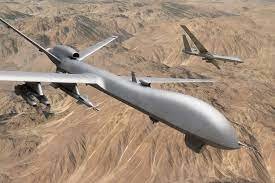
These experiences have highlighted capability gaps in both offensive and defensive unmanned aircraft systems (UAS), convincing the Royal Thai Armed Forces that long-term self-reliance is essential for national security.
Under the revamped arms plan, all four service branches — army, navy, air force — along with the Royal Thai Police, are drafting coordinated UAS and counter-UAS development blueprints.
This includes research and development with domestic industry partners and universities to produce strike drones and integrated anti-drone systems tailored to Thailand’s security needs, as well as work on hardened defensive structures and explosives integration.
The army has outlined a phased approach to expanding UAS capabilities across five distinct categories, from large deep-operations drones to very small reconnaissance and counter-drone platforms, and is establishing specialised units and a UAS warfare centre to advance doctrine, training and operational experimentation.
Naval and air force elements are also aligning UAS deployment with broader maritime and air defence strategies, while police units prepare dedicated anti-drone assets for VIP protection and internal security missions.
The National Security Council has moved to formalise command structures for unmanned aircraft operations and countermeasures, with short-term and long-term institutional plans under development to ensure strategic oversight.
This shift reflects a broader recalibration of Thailand’s defence posture, one that elevates autonomous systems and technological adaptability in response to persistent regional instability and the rising role of drones in modern military engagements.
Military assessments prompted by clashes along the Thai–Cambodian border have convinced senior planners that “drone warfare” will dominate the next decade and that existing force structures must be adapted to confront persistent aerial and reconnaissance threats.
Although ceasefire talks are underway and ground engagements may have subsided temporarily, Thai commanders report continued drone reconnaissance and harassment along forward positions, including incursions into Thai airspace and territory that have struck sensitive infrastructure and military sites.
These experiences have highlighted capability gaps in both offensive and defensive unmanned aircraft systems (UAS), convincing the Royal Thai Armed Forces that long-term self-reliance is essential for national security.
Under the revamped arms plan, all four service branches — army, navy, air force — along with the Royal Thai Police, are drafting coordinated UAS and counter-UAS development blueprints.
This includes research and development with domestic industry partners and universities to produce strike drones and integrated anti-drone systems tailored to Thailand’s security needs, as well as work on hardened defensive structures and explosives integration.
The army has outlined a phased approach to expanding UAS capabilities across five distinct categories, from large deep-operations drones to very small reconnaissance and counter-drone platforms, and is establishing specialised units and a UAS warfare centre to advance doctrine, training and operational experimentation.
Naval and air force elements are also aligning UAS deployment with broader maritime and air defence strategies, while police units prepare dedicated anti-drone assets for VIP protection and internal security missions.
The National Security Council has moved to formalise command structures for unmanned aircraft operations and countermeasures, with short-term and long-term institutional plans under development to ensure strategic oversight.
This shift reflects a broader recalibration of Thailand’s defence posture, one that elevates autonomous systems and technological adaptability in response to persistent regional instability and the rising role of drones in modern military engagements.