Thailand’s Rising Travel Costs Aim to Fund Airport and Tourism Service Upgrades
Significant increases in international airport fees are set to take effect in early 2026 to support infrastructure improvements and enhance visitor experience
Thailand is preparing to implement a substantial increase in travel fees for international passengers, a move designed to help fund major airport upgrades and improve tourist services as the country positions itself as a leading regional aviation hub.
The Civil Aviation Board recently approved a 53 per cent rise in the international passenger service charge, raising the airport tax from 730 baht to 1,120 baht per traveller from early 2026. This adjustment will affect departures at six major gateways including Bangkok’s Suvarnabhumi and Don Mueang airports, as well as Phuket, Chiang Mai, Hat Yai and Chiang Rai, and has been framed as part of broader efforts to modernise Thailand’s air travel infrastructure.
Officials and airport authorities assert that the higher fees are necessary to meet growing demand for air travel and to finance a range of improvements at major airports.
Revenues from the fee increase are expected to generate significant additional funding — estimated at around 10 billion baht annually — that will be directed towards expanding terminals, enhancing security and customs facilities, upgrading baggage handling systems and improving passenger services such as lounges and processing areas.
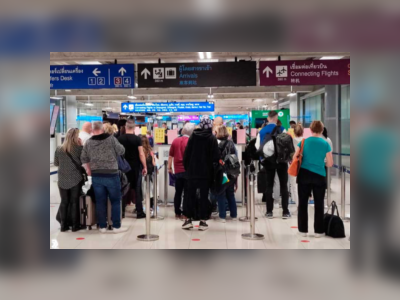
These upgrades are intended to reduce congestion, shorten wait times and elevate the overall quality of travel experiences as Thailand continues to welcome high volumes of international visitors.
The decision comes amid a broader context of tourism growth following the easing of global travel restrictions and a rebound in international arrivals.
Thailand’s major international airports have experienced peak-period congestion, prompting calls from industry stakeholders for investment in infrastructure that can accommodate future demand.
Airport operators emphasise that despite the increase, Thailand’s fees remain competitive with other major Southeast Asian hubs, while the improved facilities will support the country’s strategic goal of becoming a more attractive destination for travellers worldwide.
Travel industry analysts note that higher airport charges may be reflected in overall airfares, potentially influencing trip budgets for visitors and prompting some airlines to adjust pricing.
However, authorities maintain that the long-term benefits — including enhanced airport capacity and service quality — outweigh short-term cost increases for passengers.
Domestic travel costs are not affected by the change, with fee adjustments limited to international departures.
Thailand’s focus on upgrading aviation infrastructure aligns with wider efforts to sustain and grow its vital tourism sector while improving connectivity and visitor satisfaction across key gateways.
The Civil Aviation Board recently approved a 53 per cent rise in the international passenger service charge, raising the airport tax from 730 baht to 1,120 baht per traveller from early 2026. This adjustment will affect departures at six major gateways including Bangkok’s Suvarnabhumi and Don Mueang airports, as well as Phuket, Chiang Mai, Hat Yai and Chiang Rai, and has been framed as part of broader efforts to modernise Thailand’s air travel infrastructure.
Officials and airport authorities assert that the higher fees are necessary to meet growing demand for air travel and to finance a range of improvements at major airports.
Revenues from the fee increase are expected to generate significant additional funding — estimated at around 10 billion baht annually — that will be directed towards expanding terminals, enhancing security and customs facilities, upgrading baggage handling systems and improving passenger services such as lounges and processing areas.
These upgrades are intended to reduce congestion, shorten wait times and elevate the overall quality of travel experiences as Thailand continues to welcome high volumes of international visitors.
The decision comes amid a broader context of tourism growth following the easing of global travel restrictions and a rebound in international arrivals.
Thailand’s major international airports have experienced peak-period congestion, prompting calls from industry stakeholders for investment in infrastructure that can accommodate future demand.
Airport operators emphasise that despite the increase, Thailand’s fees remain competitive with other major Southeast Asian hubs, while the improved facilities will support the country’s strategic goal of becoming a more attractive destination for travellers worldwide.
Travel industry analysts note that higher airport charges may be reflected in overall airfares, potentially influencing trip budgets for visitors and prompting some airlines to adjust pricing.
However, authorities maintain that the long-term benefits — including enhanced airport capacity and service quality — outweigh short-term cost increases for passengers.
Domestic travel costs are not affected by the change, with fee adjustments limited to international departures.
Thailand’s focus on upgrading aviation infrastructure aligns with wider efforts to sustain and grow its vital tourism sector while improving connectivity and visitor satisfaction across key gateways.