Thai Senior Leader Prawit Wongsuwan Intensifies Opposition to Maritime Memorandum with Cambodia
Former Defence Chief and Palang Pracharath Party leader criticises MOU-44, arguing it undermines Thailand’s maritime sovereignty in talks with Phnom Penh
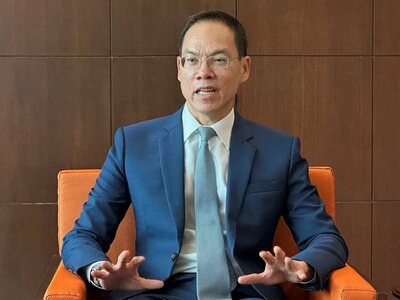
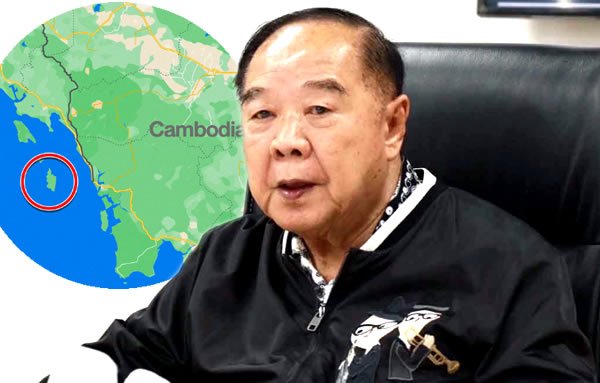
General Prawit Wongsuwan, a veteran Thai political and military figure and leader of the Palang Pracharath Party, has publicly declared his opposition to the longstanding memorandum of understanding on overlapping maritime claims with Cambodia, known as MOU-44, reiterating concerns that the deal could compromise Thailand’s sovereign rights in Gulf of Thailand waters.
Prawit’s stance has been reflected in sustained calls from his party and aligned lawmakers for the Thai government to reconsider or abolish the memorandum before engaging further in maritime resource negotiations with Cambodia.
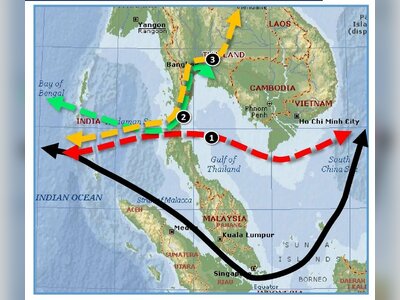
The dispute centres on provisions and attached maps within MOU-44, signed in 2001, that define an overlapping claims area between the two countries in the Gulf of Thailand.
Critics argue that portions of the document could be interpreted as tacitly acknowledging Cambodian claims near Koh Kood and other maritime zones, potentially constraining Thailand’s legal entitlements to natural resources, including hydrocarbon deposits, under international law.
Prawit and his supporters maintain that the memorandum was never ratified by Thailand’s parliament and contains legal flaws that risk ceding strategic rights without sufficient safeguards.
The push to rescind or renegotiate MOU-44 predates recent border tensions, but it has gained renewed political traction amid broader concerns about bilateral relations with Cambodia and resource sovereignty.
Members of the Palang Pracharath Party have prepared open letters and public statements urging the government to prioritise sovereign delineation before proceeding with shared development talks.
They argue that clear demarcation of maritime zones should underpin any future cooperation on oil and gas exploration to ensure Thai interests are fully protected.
Opponents of scrapping MOU-44, including Ministry of Foreign Affairs officials, have emphasised that Thailand’s engagement with Cambodia in technical maritime talks remains underpinned by longstanding bilateral frameworks and that preserving diplomatic mechanisms is essential for stability.
Prawit’s opposition underscores broader domestic debates in Bangkok over territorial and resource rights in the Gulf of Thailand, reflecting nationalist sentiments and legal concerns about international agreements.
As Thailand continues to navigate complex negotiations with Cambodia on both land and maritime boundaries, the controversy surrounding MOU-44 highlights the challenge of balancing sovereign prerogatives with cooperative frameworks that seek to manage shared spaces and resources.
Prawit’s stance has been reflected in sustained calls from his party and aligned lawmakers for the Thai government to reconsider or abolish the memorandum before engaging further in maritime resource negotiations with Cambodia.
The dispute centres on provisions and attached maps within MOU-44, signed in 2001, that define an overlapping claims area between the two countries in the Gulf of Thailand.
Critics argue that portions of the document could be interpreted as tacitly acknowledging Cambodian claims near Koh Kood and other maritime zones, potentially constraining Thailand’s legal entitlements to natural resources, including hydrocarbon deposits, under international law.
Prawit and his supporters maintain that the memorandum was never ratified by Thailand’s parliament and contains legal flaws that risk ceding strategic rights without sufficient safeguards.
The push to rescind or renegotiate MOU-44 predates recent border tensions, but it has gained renewed political traction amid broader concerns about bilateral relations with Cambodia and resource sovereignty.
Members of the Palang Pracharath Party have prepared open letters and public statements urging the government to prioritise sovereign delineation before proceeding with shared development talks.
They argue that clear demarcation of maritime zones should underpin any future cooperation on oil and gas exploration to ensure Thai interests are fully protected.
Opponents of scrapping MOU-44, including Ministry of Foreign Affairs officials, have emphasised that Thailand’s engagement with Cambodia in technical maritime talks remains underpinned by longstanding bilateral frameworks and that preserving diplomatic mechanisms is essential for stability.
Prawit’s opposition underscores broader domestic debates in Bangkok over territorial and resource rights in the Gulf of Thailand, reflecting nationalist sentiments and legal concerns about international agreements.
As Thailand continues to navigate complex negotiations with Cambodia on both land and maritime boundaries, the controversy surrounding MOU-44 highlights the challenge of balancing sovereign prerogatives with cooperative frameworks that seek to manage shared spaces and resources.