Bank of Thailand Signals Fourth-Quarter Growth Rebound While Warning of Limited Policy Leeway
Deputy governor says economic momentum is improving late in the year, though fiscal and monetary tools remain constrained
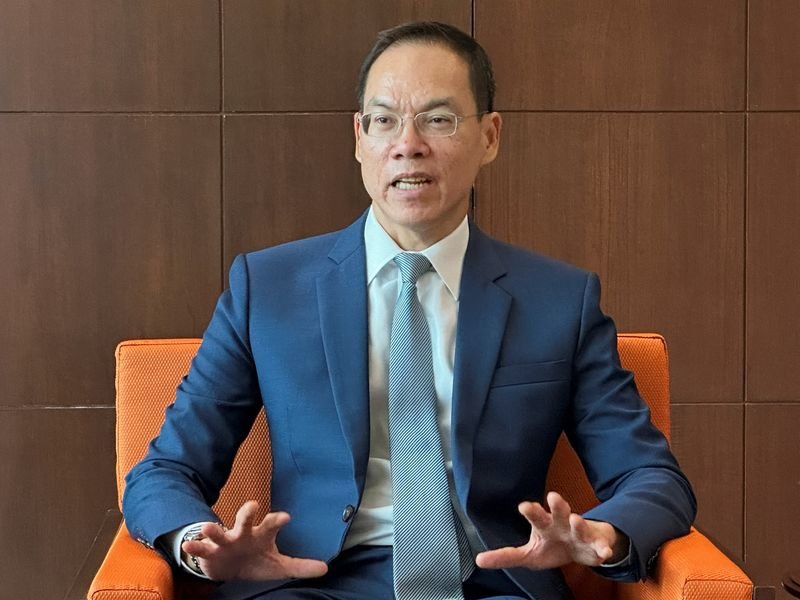
Thailand’s economy is expected to regain momentum in the fourth quarter, according to a senior Bank of Thailand official, who nevertheless cautioned that policymakers have limited room to deploy additional stimulus.
The deputy governor said recent data point to a gradual rebound driven by stronger domestic demand, tourism receipts and a stabilisation in exports after a subdued earlier period.
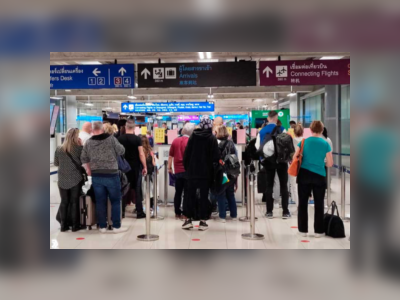
The central bank’s assessment reflects improving indicators in consumption and services activity, supported by resilient employment conditions and continued inflows from international visitors.
Officials have also noted tentative signs of recovery in manufacturing and trade as global demand shows pockets of improvement, helping to lift overall growth prospects toward the end of the year.
Despite the more positive outlook, the deputy governor emphasised that Thailand’s policy space remains constrained.
Public finances are under pressure following years of pandemic-related support measures, while monetary policy must balance growth considerations with financial stability and inflation risks.
As a result, any further policy adjustments are expected to be targeted and cautious rather than broad-based.
The central bank has maintained a data-dependent approach, signalling that future decisions will hinge on the durability of the recovery and external conditions, including global interest rates and regional economic trends.
Authorities have stressed the importance of structural reforms, productivity enhancement and private investment to sustain growth beyond short-term cyclical improvements.
Looking ahead, policymakers believe a late-year rebound could provide a firmer foundation for economic performance going into the following year, even as constraints on fiscal and monetary manoeuvring underline the need for careful calibration of policy tools and close monitoring of evolving risks.
The deputy governor said recent data point to a gradual rebound driven by stronger domestic demand, tourism receipts and a stabilisation in exports after a subdued earlier period.
The central bank’s assessment reflects improving indicators in consumption and services activity, supported by resilient employment conditions and continued inflows from international visitors.
Officials have also noted tentative signs of recovery in manufacturing and trade as global demand shows pockets of improvement, helping to lift overall growth prospects toward the end of the year.
Despite the more positive outlook, the deputy governor emphasised that Thailand’s policy space remains constrained.
Public finances are under pressure following years of pandemic-related support measures, while monetary policy must balance growth considerations with financial stability and inflation risks.
As a result, any further policy adjustments are expected to be targeted and cautious rather than broad-based.
The central bank has maintained a data-dependent approach, signalling that future decisions will hinge on the durability of the recovery and external conditions, including global interest rates and regional economic trends.
Authorities have stressed the importance of structural reforms, productivity enhancement and private investment to sustain growth beyond short-term cyclical improvements.
Looking ahead, policymakers believe a late-year rebound could provide a firmer foundation for economic performance going into the following year, even as constraints on fiscal and monetary manoeuvring underline the need for careful calibration of policy tools and close monitoring of evolving risks.