Thailand Explores Disneyland Theme Park in Eastern Economic Corridor to Drive Tourism and Infrastructure Growth
Government positions a potential world-class theme park as a cornerstone project to boost tourism, support high-speed rail and elevate the Eastern Economic Corridor
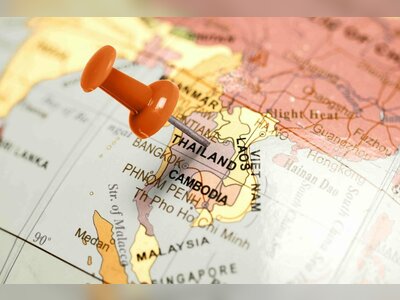
Thailand is actively exploring plans to attract a Disneyland-scale theme park to its Eastern Economic Corridor (EEC), with government officials positioning the proposal as a centerpiece for long-term tourism expansion and major infrastructure development.
The initiative, still in its early conceptual phase, is aimed at drawing both domestic and international visitors to the rapidly developing eastern provinces of Chonburi, Rayong, Chachoengsao and Chanthaburi, enhancing the area’s economic profile and supporting future megaprojects.
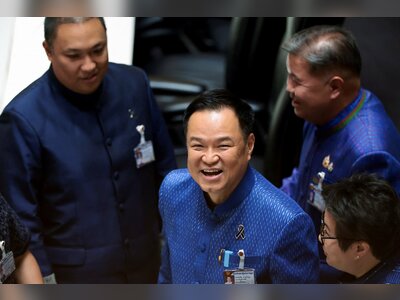
Deputy Prime Minister and Transport Minister Phiphat Ratchakitprakarn, who also chairs the EEC Policy Committee, has repeatedly flagged the concept of a “Disneyland”-style theme park as a potential magnet project for the region.
Officials and stakeholders believe that such a globally recognised attraction would help generate sustained year-round visitor demand and reinforce the business case for priority infrastructure projects, including the long-planned high-speed rail linking Don Mueang, Suvarnabhumi and U-Tapao airports.
The government has also outlined complementary developments alongside the theme park, including a new international-standard stadium capable of hosting major sporting events, concerts and cultural exhibitions, as part of a broader vision to transform the EEC into a diversified entertainment and economic hub.
Authorities say that early feasibility studies have identified a range of potential park sizes, with total land needs possibly reaching around 5,000 rai once supporting facilities are included.
Officials emphasise that the theme park proposal would exclude casino components, aligning the project with family-friendly tourism objectives and acknowledging that certain global operators, including Disney, maintain strict policies on the proximity of gambling to their branded parks.
While direct investment from The Walt Disney Company has not yet been secured, Bangkok’s strategy includes discussions with Disney and other global entertainment developers, as well as with domestic investors who have shown interest in co-investment opportunities.
Proponents of the plan argue that a world-class theme park would significantly elevate Thailand’s appeal as a travel destination in Southeast Asia and stimulate ancillary sectors such as hospitality, transport and regional services, while contributing to broader economic diversification.
Analysts and academics have also backed the idea as strategically sound, highlighting Thailand’s tourism potential, existing logistical assets and commitment to expanding its infrastructure footprint.
The initiative, still in its early conceptual phase, is aimed at drawing both domestic and international visitors to the rapidly developing eastern provinces of Chonburi, Rayong, Chachoengsao and Chanthaburi, enhancing the area’s economic profile and supporting future megaprojects.
Deputy Prime Minister and Transport Minister Phiphat Ratchakitprakarn, who also chairs the EEC Policy Committee, has repeatedly flagged the concept of a “Disneyland”-style theme park as a potential magnet project for the region.
Officials and stakeholders believe that such a globally recognised attraction would help generate sustained year-round visitor demand and reinforce the business case for priority infrastructure projects, including the long-planned high-speed rail linking Don Mueang, Suvarnabhumi and U-Tapao airports.
The government has also outlined complementary developments alongside the theme park, including a new international-standard stadium capable of hosting major sporting events, concerts and cultural exhibitions, as part of a broader vision to transform the EEC into a diversified entertainment and economic hub.
Authorities say that early feasibility studies have identified a range of potential park sizes, with total land needs possibly reaching around 5,000 rai once supporting facilities are included.
Officials emphasise that the theme park proposal would exclude casino components, aligning the project with family-friendly tourism objectives and acknowledging that certain global operators, including Disney, maintain strict policies on the proximity of gambling to their branded parks.
While direct investment from The Walt Disney Company has not yet been secured, Bangkok’s strategy includes discussions with Disney and other global entertainment developers, as well as with domestic investors who have shown interest in co-investment opportunities.
Proponents of the plan argue that a world-class theme park would significantly elevate Thailand’s appeal as a travel destination in Southeast Asia and stimulate ancillary sectors such as hospitality, transport and regional services, while contributing to broader economic diversification.
Analysts and academics have also backed the idea as strategically sound, highlighting Thailand’s tourism potential, existing logistical assets and commitment to expanding its infrastructure footprint.