
Thailand Moves to Rein In Cannabis Boom as Government Shifts Policy on Recreational Use
Authorities tighten rules and consider reinstating criminal penalties after a rapid rise in dispensaries and mixed social outcomes from liberalisation
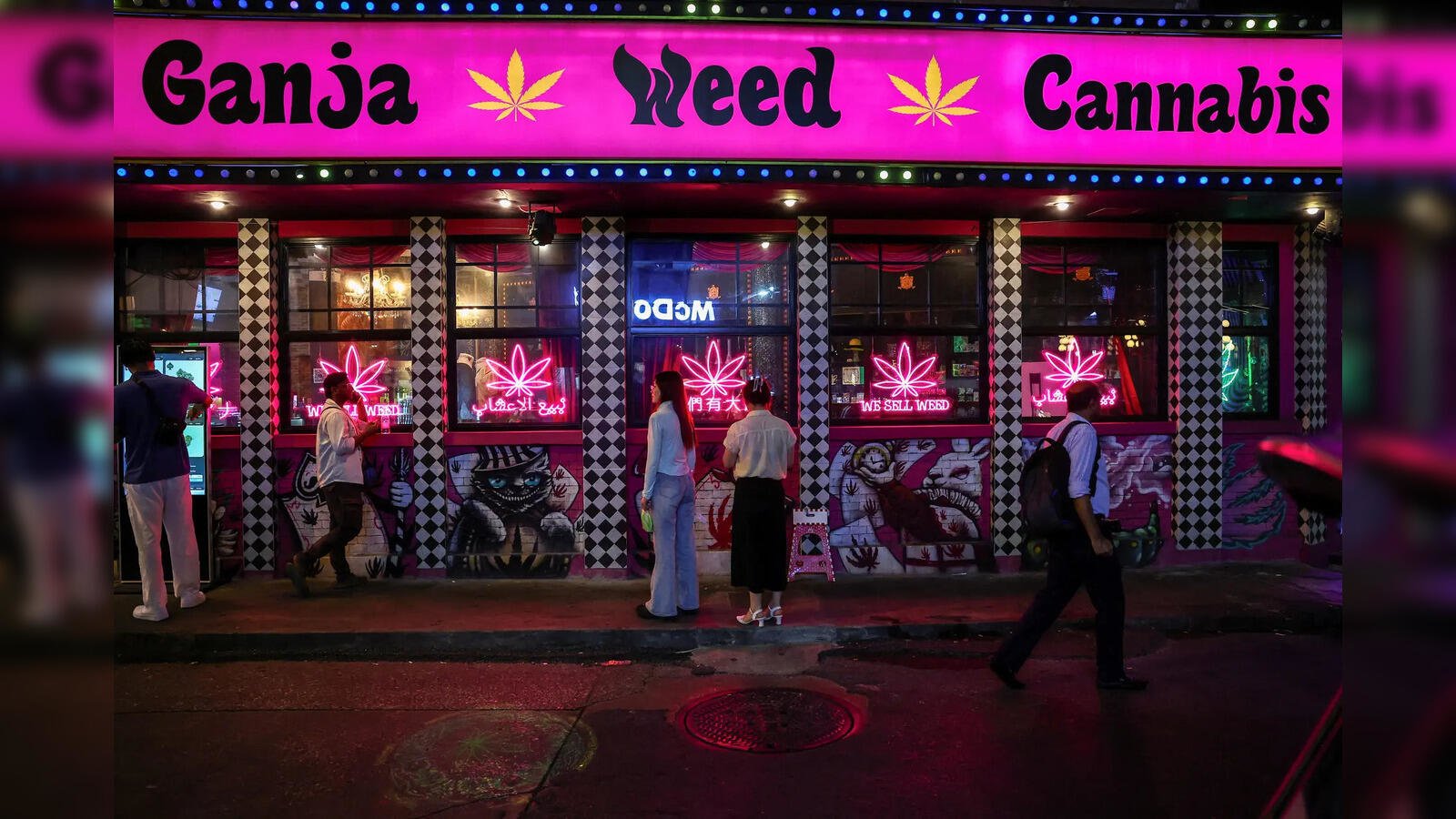
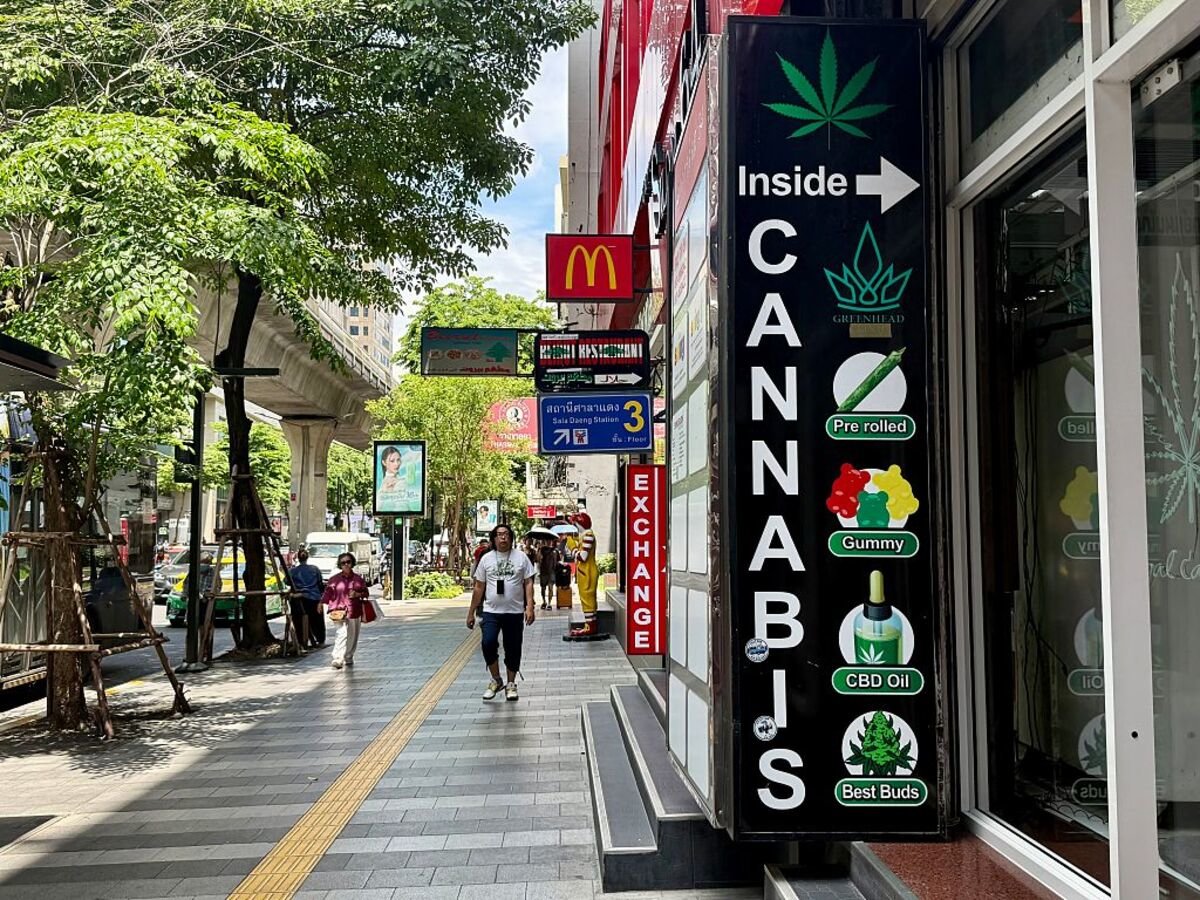
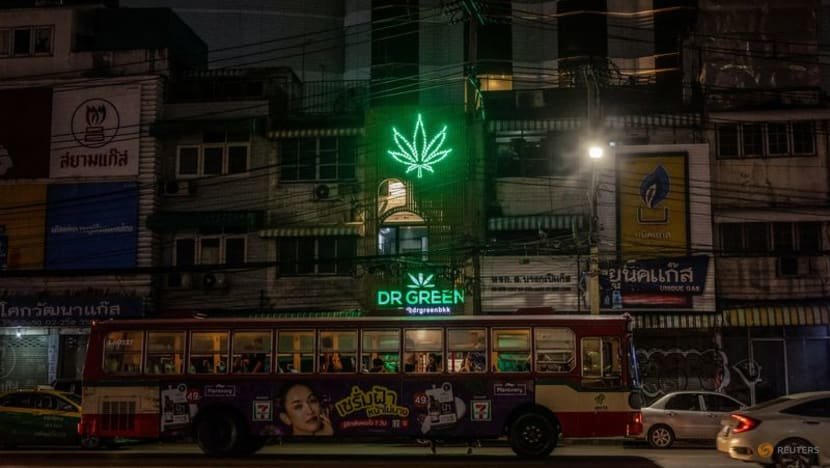
Thailand’s government is advancing plans to tighten restrictions on cannabis use, effectively rolling back part of the sweeping liberalisation that made the kingdom the first Asian nation to decriminalise the drug in 2022. The policy shift, driven by growing public concern and political realignment, aims to curb recreational consumption and reduce the unregulated proliferation of cannabis shops that sprang up nationwide after the plant was removed from the country’s narcotics list.
This comes as proposals to return cannabis to Thailand’s list of banned substances gain traction among senior political parties ahead of national elections.
Under recent regulations issued by the Ministry of Public Health, cannabis flower and related products may now only be sold with a doctor’s prescription, and recreational sales are prohibited while medical use remains permitted.
The new rules reclassify cannabis as a controlled herb, signalling a major shift from the permissive environment that followed the 2022 reform and throwing an industry previously worth an estimated one billion US dollars into uncertainty.
Dispensaries must adhere to stricter licensing conditions, including limits on sales and compliance with agricultural standards, and many smaller outlets face an uncertain future as they implement the changes.
The political backdrop to the policy reversal reflects deep divisions within Thailand’s governing coalition.
The Bhumjaithai Party, which championed decriminalisation under former administrations, withdrew from the ruling alliance, leaving the Pheu Thai Party and other anti-drug factions to push for tougher controls.
Public Health Minister Somsak Thepsuthin has indicated prospects of reclassifying cannabis as a narcotic in future legislation, reinforcing the broader intention to limit access beyond medical contexts.
Proponents of the earlier liberalisation argued it would support tourism and economic development, but critics contend that the lack of comprehensive regulation led to social issues, particularly concerning youth exposure and unmonitored recreational use.
Some stakeholders in agriculture, tourism and investment sectors are now reassessing their involvement given the evolving legal landscape, even as the government emphasises its focus on public health and controlled, medically focused utilisation.
This comes as proposals to return cannabis to Thailand’s list of banned substances gain traction among senior political parties ahead of national elections.
Under recent regulations issued by the Ministry of Public Health, cannabis flower and related products may now only be sold with a doctor’s prescription, and recreational sales are prohibited while medical use remains permitted.
The new rules reclassify cannabis as a controlled herb, signalling a major shift from the permissive environment that followed the 2022 reform and throwing an industry previously worth an estimated one billion US dollars into uncertainty.
Dispensaries must adhere to stricter licensing conditions, including limits on sales and compliance with agricultural standards, and many smaller outlets face an uncertain future as they implement the changes.
The political backdrop to the policy reversal reflects deep divisions within Thailand’s governing coalition.
The Bhumjaithai Party, which championed decriminalisation under former administrations, withdrew from the ruling alliance, leaving the Pheu Thai Party and other anti-drug factions to push for tougher controls.
Public Health Minister Somsak Thepsuthin has indicated prospects of reclassifying cannabis as a narcotic in future legislation, reinforcing the broader intention to limit access beyond medical contexts.
Proponents of the earlier liberalisation argued it would support tourism and economic development, but critics contend that the lack of comprehensive regulation led to social issues, particularly concerning youth exposure and unmonitored recreational use.
Some stakeholders in agriculture, tourism and investment sectors are now reassessing their involvement given the evolving legal landscape, even as the government emphasises its focus on public health and controlled, medically focused utilisation.