
Thailand’s $28 Billion Mega Canal Proposal Revives Ambition to Redesign Global Shipping Routes
The long-debated Kra Canal project could offer a new maritime shortcut between the Andaman Sea and the Gulf of Thailand, but technical, environmental and geopolitical hurdles persist
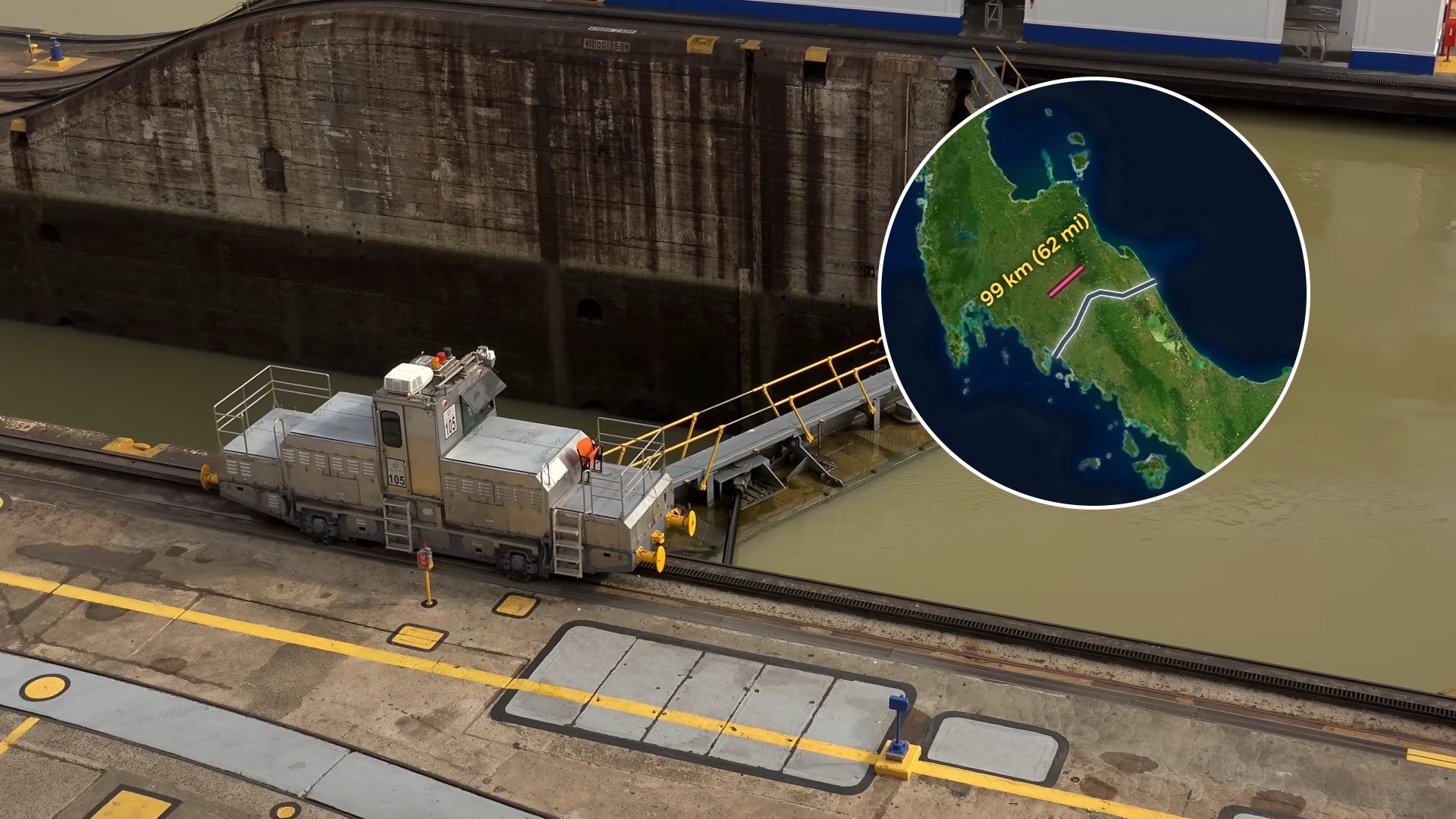
Thailand’s long-standing vision of a mega canal cutting across the Isthmus of Kra — a project estimated at around $28 billion — has resurfaced in economic and strategic discussions as the country considers ways to boost its role in global trade and infrastructure.
The proposal, often referred to as the Kra Canal or Thai Canal, would create a new waterway linking the Andaman Sea with the Gulf of Thailand, offering an alternative to the congested Strait of Malacca and potentially shortening key shipping routes by more than twelve hundred kilometres.
The concept of a canal across southern Thailand has deep historical roots, with initial ideas dating back several centuries.
In modern times, renewed interest has emerged amid rapid expansion in regional trade and supply chains, with proponents arguing that such a canal could deliver significant commercial advantages for Thailand and its partners by reducing transit times, fuel costs and dependency on existing chokepoints in Southeast Asian waters.
Supporters also highlight the possibility of transforming parts of southern Thailand into a major trade and logistics hub.
Despite these potential benefits, the project faces formidable barriers that have kept it from moving past the planning stages.
Environmental concerns rank among the most significant challenges: carving a deep channel through ecologically sensitive terrain could disrupt coastal and marine ecosystems, fragment wildlife corridors and impose long-term impacts on local communities.
Financing, too, remains uncertain, as the sheer scale of the investment — estimated at roughly $28 billion — exceeds typical infrastructure outlays for the region and would likely require broad international participation.
Geopolitical considerations add further complexity.
While some external stakeholders have expressed strategic interest, others remain cautious.
China has previously viewed the canal as complementary to its Belt and Road Initiative, but regional powers such as India and members of the Association of Southeast Asian Nations monitor the proposal’s implications for maritime influence and security dynamics.
Meanwhile, major neighbouring shipping hubs like Singapore and Malaysia could see economic implications if global cargo patterns shift.
For now, the canal remains largely conceptual, with feasibility studies and dialogue continuing among Thai planners, industry representatives and international observers.
Thailand’s government has, at times, emphasised alternative infrastructure proposals — such as enhanced land bridges and port expansions — to achieve similar logistical advantages with fewer environmental and fiscal risks.
Even so, the $28 billion canal project continues to spark debate among policymakers and economists about the future of trade routes in the Asia-Pacific region, offering both optimism about potential transformation and caution about practical execution.
The proposal, often referred to as the Kra Canal or Thai Canal, would create a new waterway linking the Andaman Sea with the Gulf of Thailand, offering an alternative to the congested Strait of Malacca and potentially shortening key shipping routes by more than twelve hundred kilometres.
The concept of a canal across southern Thailand has deep historical roots, with initial ideas dating back several centuries.
In modern times, renewed interest has emerged amid rapid expansion in regional trade and supply chains, with proponents arguing that such a canal could deliver significant commercial advantages for Thailand and its partners by reducing transit times, fuel costs and dependency on existing chokepoints in Southeast Asian waters.
Supporters also highlight the possibility of transforming parts of southern Thailand into a major trade and logistics hub.
Despite these potential benefits, the project faces formidable barriers that have kept it from moving past the planning stages.
Environmental concerns rank among the most significant challenges: carving a deep channel through ecologically sensitive terrain could disrupt coastal and marine ecosystems, fragment wildlife corridors and impose long-term impacts on local communities.
Financing, too, remains uncertain, as the sheer scale of the investment — estimated at roughly $28 billion — exceeds typical infrastructure outlays for the region and would likely require broad international participation.
Geopolitical considerations add further complexity.
While some external stakeholders have expressed strategic interest, others remain cautious.
China has previously viewed the canal as complementary to its Belt and Road Initiative, but regional powers such as India and members of the Association of Southeast Asian Nations monitor the proposal’s implications for maritime influence and security dynamics.
Meanwhile, major neighbouring shipping hubs like Singapore and Malaysia could see economic implications if global cargo patterns shift.
For now, the canal remains largely conceptual, with feasibility studies and dialogue continuing among Thai planners, industry representatives and international observers.
Thailand’s government has, at times, emphasised alternative infrastructure proposals — such as enhanced land bridges and port expansions — to achieve similar logistical advantages with fewer environmental and fiscal risks.
Even so, the $28 billion canal project continues to spark debate among policymakers and economists about the future of trade routes in the Asia-Pacific region, offering both optimism about potential transformation and caution about practical execution.