Ancient Spinosaurid Predator Once Stalked Thailand’s Rivers More Than 125 Million Years Ago
Fossil evidence reveals large spinosaurid dinosaurs, relatives of Spinosaurus, inhabited Early Cretaceous river systems in what is now Thailand
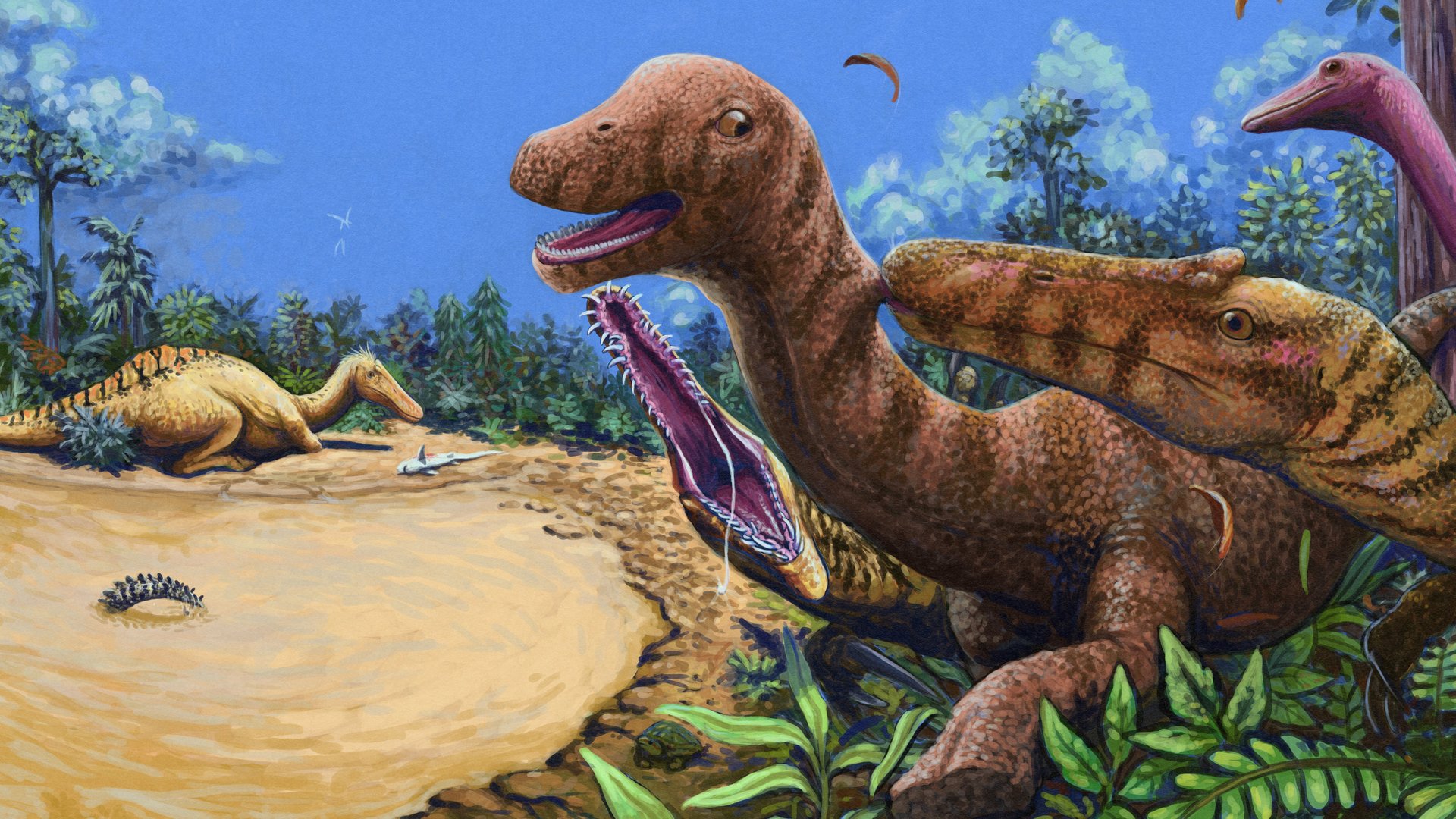
New insights from fossil discoveries in northeastern Thailand indicate that spinosaurid dinosaurs — relatives of the famed Spinosaurus — prowled the river systems of Southeast Asia around 125 million years ago, shedding light on prehistoric ecosystems in the region.
Paleontologists have uncovered teeth and other remains in the Sao Khua and Khok Kruat Formations of Thailand’s Khorat Plateau, which date to the Early Cretaceous period and represent ancient fluvial environments where these theropod predators likely hunted for fish and other prey.
The Thai spinosaurid known as Siamosaurus suteethorni, first described in 1986 and named in honour of Thai palaeontologist Varavudh Suteethorn, is the earliest reported Asian spinosaurid and may have reached lengths of up to around nine metres — longer than a typical pickup truck — based on fragmentary evidence and comparative estimates.
Additional spinosaurid material recovered in these formations suggests the presence of multiple related taxa in the region, though complete skeletons remain elusive and precise body size estimates are tentative.
Spinosaurids are a distinctive group of theropod dinosaurs characterised by elongated, low skulls and conical teeth adapted for catching fish, as well as elongated neural spines that may have supported sail-like structures along their backs, similar to their better-known African cousin Spinosaurus.
While Spinosaurus itself is primarily documented from Cretaceous deposits of North Africa and is estimated to have reached lengths of up to 14–18 metres, its Asian relatives occupied similar ecological niches along the ancient rivers and floodplains of what is now Thailand during the Aptian stage of the Early Cretaceous.
The Khok Kruat and Sao Khua formations, composed of red siltstones and sandstones deposited by ancient river systems, have yielded a wealth of dinosaur fossils, including sauropods, early ornithischians and spinosaurid teeth, illustrating the rich diversity of prehistoric fauna in the region.
The ongoing research at these sites contributes to a more complete understanding of Early Cretaceous ecosystems in Southeast Asia and highlights the importance of Thailand in studies of dinosaur evolution and biogeography.
As palaeontologists continue to analyse the spinosaurid remains and compare them with related species from other continents, the story of these ancient river predators and their place in Earth’s deep past becomes increasingly vivid.
These discoveries not only expand scientific knowledge of prehistoric biodiversity but also reinforce the global significance of Thailand’s fossil heritage.
Paleontologists have uncovered teeth and other remains in the Sao Khua and Khok Kruat Formations of Thailand’s Khorat Plateau, which date to the Early Cretaceous period and represent ancient fluvial environments where these theropod predators likely hunted for fish and other prey.
The Thai spinosaurid known as Siamosaurus suteethorni, first described in 1986 and named in honour of Thai palaeontologist Varavudh Suteethorn, is the earliest reported Asian spinosaurid and may have reached lengths of up to around nine metres — longer than a typical pickup truck — based on fragmentary evidence and comparative estimates.
Additional spinosaurid material recovered in these formations suggests the presence of multiple related taxa in the region, though complete skeletons remain elusive and precise body size estimates are tentative.
Spinosaurids are a distinctive group of theropod dinosaurs characterised by elongated, low skulls and conical teeth adapted for catching fish, as well as elongated neural spines that may have supported sail-like structures along their backs, similar to their better-known African cousin Spinosaurus.
While Spinosaurus itself is primarily documented from Cretaceous deposits of North Africa and is estimated to have reached lengths of up to 14–18 metres, its Asian relatives occupied similar ecological niches along the ancient rivers and floodplains of what is now Thailand during the Aptian stage of the Early Cretaceous.
The Khok Kruat and Sao Khua formations, composed of red siltstones and sandstones deposited by ancient river systems, have yielded a wealth of dinosaur fossils, including sauropods, early ornithischians and spinosaurid teeth, illustrating the rich diversity of prehistoric fauna in the region.
The ongoing research at these sites contributes to a more complete understanding of Early Cretaceous ecosystems in Southeast Asia and highlights the importance of Thailand in studies of dinosaur evolution and biogeography.
As palaeontologists continue to analyse the spinosaurid remains and compare them with related species from other continents, the story of these ancient river predators and their place in Earth’s deep past becomes increasingly vivid.
These discoveries not only expand scientific knowledge of prehistoric biodiversity but also reinforce the global significance of Thailand’s fossil heritage.