China Flies High-Altitude Surveillance Drone Into Taiwan Airspace in Escalatory Move
Beijing’s unmanned aircraft briefly entered Taiwanese sovereign airspace over Pratas Island, highlighting rising tensions and defence challenges
A Chinese high-altitude surveillance drone penetrated Taiwan’s sovereign airspace over the strategic Pratas Islands in the South China Sea on January 17, 2026, marking the first publicly confirmed incursion by an unmanned aerial vehicle of this type, according to Taiwanese defence officials.
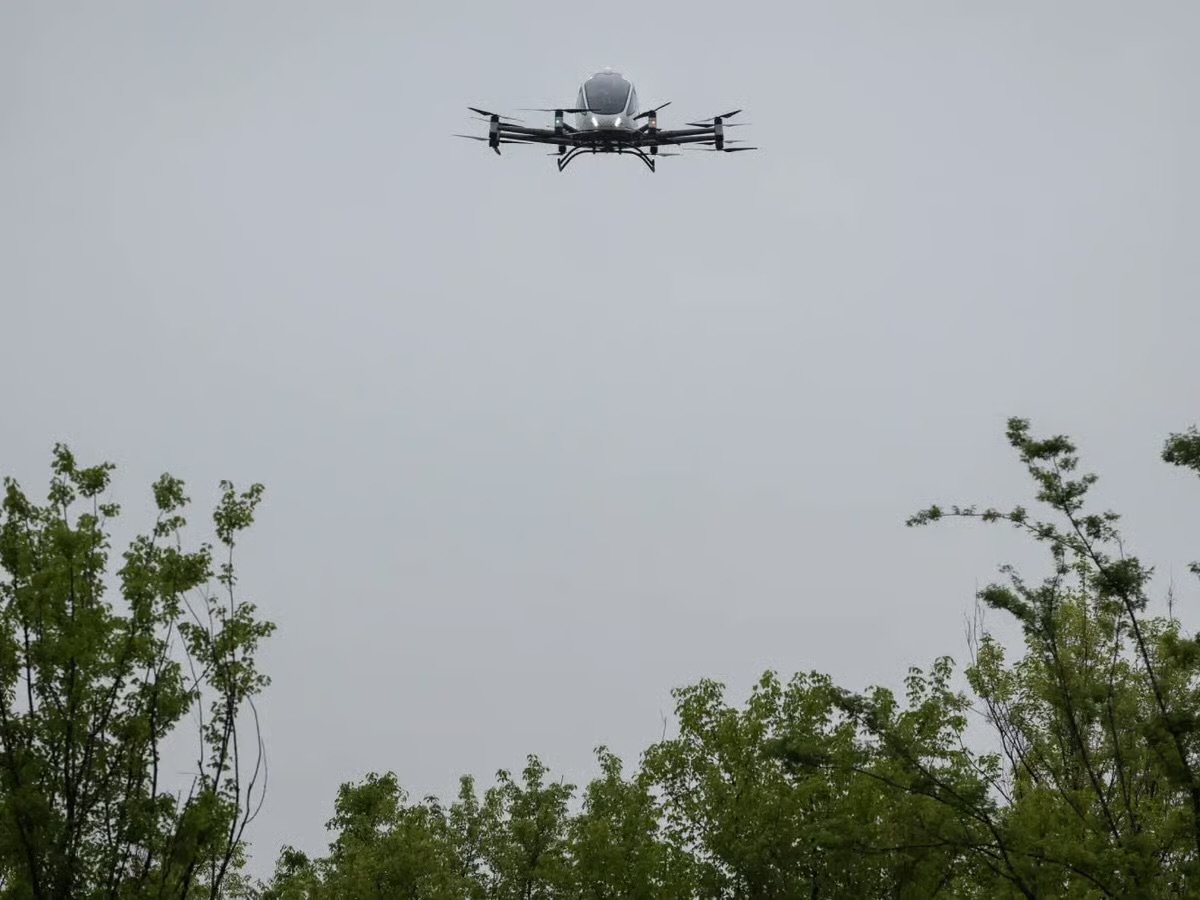
The Chinese military’s Guizhou WZ-7 “Soaring Dragon,” a long-endurance reconnaissance drone, entered the airspace for approximately four minutes before departing after warnings were broadcast via international radio channels by Taipei’s authorities.
Taiwan’s defence ministry stated the drone flew at an altitude beyond the reach of its current surface-to-air defences, underscoring gaps in the island’s ability to counter advanced unmanned systems.
The incursion occurred in the vicinity of Pratas Island, known locally as Dongsha, an area of disputed control in international waters that is administered by Taiwan but claimed by Beijing as part of its broader territorial assertions.
Analysts observed that the operation could be intended to demonstrate China’s capacity to challenge Taiwan’s airspace and probe defensive limitations without triggering a broader kinetic response.
Pratas has limited air defences, and the featured WZ-7 drone’s high-altitude capability places it beyond the effective engagement envelope of Taiwan’s systems stationed there.
Taipei’s military refrained from engaging the drone, instead relying on radio warnings and surveillance tracking to monitor the flight.
Officials reiterated their commitment to de-escalation but emphasised that any unauthorised entry of Chinese military aircraft or drones into Taiwan’s territorial airspace could be treated as a hostile act.
The incident has drawn attention to the increasing frequency and sophistication of People’s Liberation Army activities near Taiwan, which have included drone sorties and aircraft patrols in adjacent airspace.
The United States, bound by domestic law to support Taiwan’s self-defence, has underscored its commitment to supplying defensive capabilities to Taipei, though it has also urged restraint from both sides to avoid unintended escalation.
As tensions persist, defence planners in Taipei are evaluating additional measures to strengthen airspace monitoring and response capabilities against unmanned threats.
The Chinese government’s Southern Theatre Command described the flight as part of “normal drone flight exercises” around what Beijing calls its Dongsha territory, asserting the legality of the operation.
Beijing continues to frame such activities as routine exercises, even as they raise strategic and diplomatic concerns in Taipei and among regional partners about the trajectory of cross-strait relations and the risk of encroachments upon Taiwanese sovereignty.
The Chinese military’s Guizhou WZ-7 “Soaring Dragon,” a long-endurance reconnaissance drone, entered the airspace for approximately four minutes before departing after warnings were broadcast via international radio channels by Taipei’s authorities.
Taiwan’s defence ministry stated the drone flew at an altitude beyond the reach of its current surface-to-air defences, underscoring gaps in the island’s ability to counter advanced unmanned systems.
The incursion occurred in the vicinity of Pratas Island, known locally as Dongsha, an area of disputed control in international waters that is administered by Taiwan but claimed by Beijing as part of its broader territorial assertions.
Analysts observed that the operation could be intended to demonstrate China’s capacity to challenge Taiwan’s airspace and probe defensive limitations without triggering a broader kinetic response.
Pratas has limited air defences, and the featured WZ-7 drone’s high-altitude capability places it beyond the effective engagement envelope of Taiwan’s systems stationed there.
Taipei’s military refrained from engaging the drone, instead relying on radio warnings and surveillance tracking to monitor the flight.
Officials reiterated their commitment to de-escalation but emphasised that any unauthorised entry of Chinese military aircraft or drones into Taiwan’s territorial airspace could be treated as a hostile act.
The incident has drawn attention to the increasing frequency and sophistication of People’s Liberation Army activities near Taiwan, which have included drone sorties and aircraft patrols in adjacent airspace.
The United States, bound by domestic law to support Taiwan’s self-defence, has underscored its commitment to supplying defensive capabilities to Taipei, though it has also urged restraint from both sides to avoid unintended escalation.
As tensions persist, defence planners in Taipei are evaluating additional measures to strengthen airspace monitoring and response capabilities against unmanned threats.
The Chinese government’s Southern Theatre Command described the flight as part of “normal drone flight exercises” around what Beijing calls its Dongsha territory, asserting the legality of the operation.
Beijing continues to frame such activities as routine exercises, even as they raise strategic and diplomatic concerns in Taipei and among regional partners about the trajectory of cross-strait relations and the risk of encroachments upon Taiwanese sovereignty.