Thai Airways Embarks on Fleet Modernisation with First Airbus A321neo Delivery
Flag carrier receives its first A321neo as part of a broader strategy to enhance efficiency, sustainability and regional connectivity
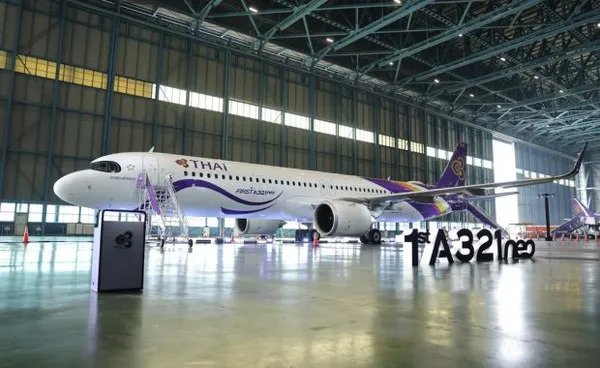
Thai Airways International has marked a significant milestone in its fleet modernisation strategy with the delivery of its first Airbus A321neo aircraft, reinforcing the national carrier’s commitment to enhancing operational efficiency and meeting rising demand across its regional network.
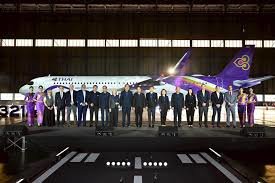
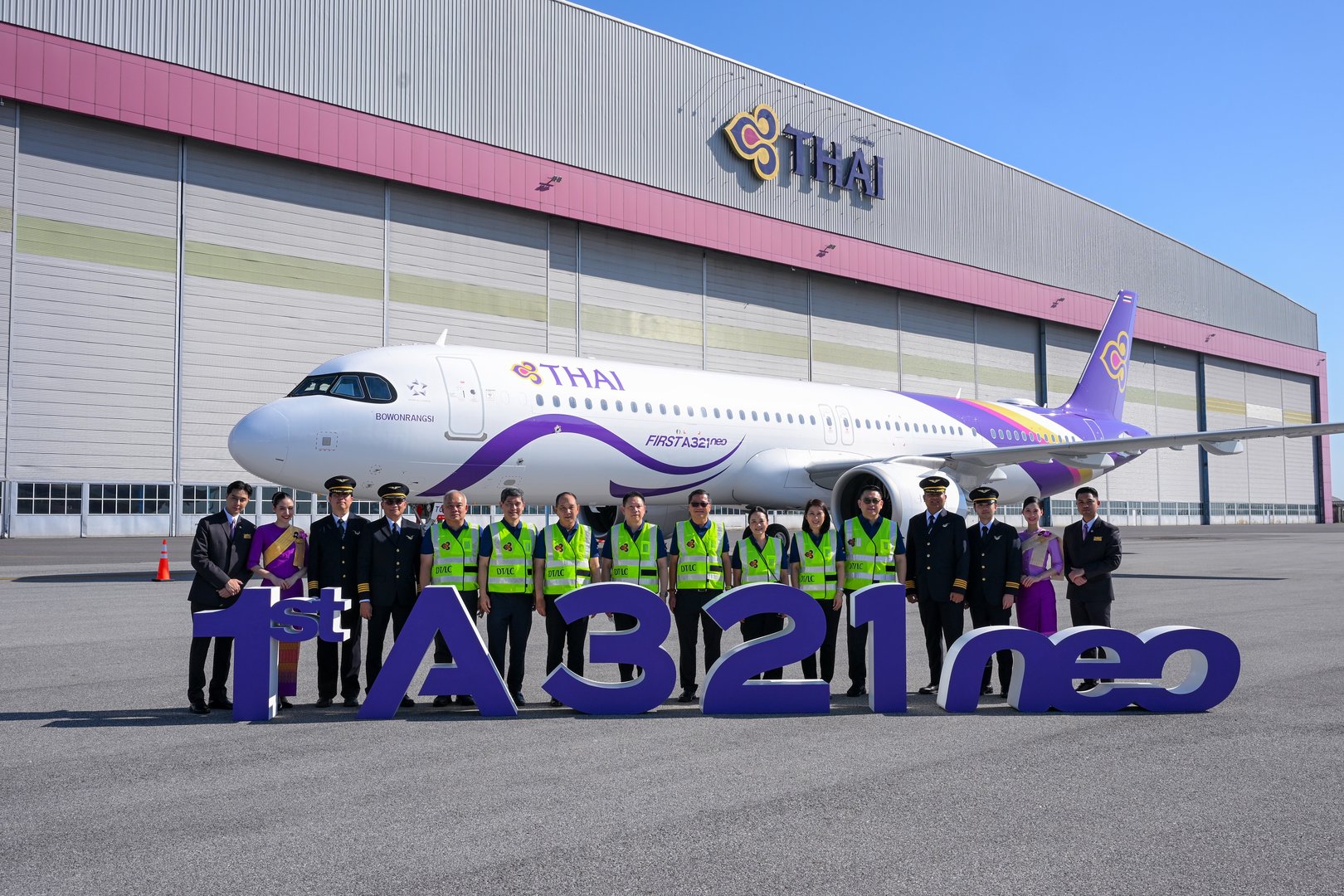
The aircraft, registered HS-TOA and given the royal name “Bowonrangsi,” arrived at Bangkok’s Suvarnabhumi Airport in late December after a delivery flight from Airbus’ facility in Hamburg, Germany.
The arrival ceremony was attended by senior airline executives and distinguished guests, underscoring the importance of this step in Thai Airways’ renewal plan.
This delivery is the first in a series of narrow-body aircraft that will be inducted into the fleet under lease agreements with global lessors, including AerCap, with a total of 32 A321neo jets secured as part of broader fleet transformation efforts.
The initial tranche of ten aircraft will enter service under operating leases, with subsequent deliveries scheduled through 2028, reflecting a phased approach that balances expansion with financial discipline.
Equipped with advanced CFM LEAP-1A engines and aerodynamically optimised design, the A321neo offers significantly lower fuel consumption and quieter operations, helping the airline reduce carbon emissions per seat and support its sustainability objectives.
The aircraft is certified to use up to fifty percent sustainable aviation fuel, aligning with Thai Airways’ environmental commitments as it strengthens its regional competitiveness.
Inside the cabin, the A321neo accommodates passengers in a modern configuration with a blend of premium Royal Silk Class seats and ergonomically designed Economy Class seating, enhanced by a next-generation in-flight entertainment system and improved overhead storage.
Thai Airways plans to deploy the new aircraft on key regional routes across the Asia-Pacific market, with its inaugural commercial flight scheduled for January 22, 2026, on the Bangkok–Singapore–Bangkok service.
The adoption of the A321neo underscores the airline’s strategic focus on more efficient, passenger-friendly aircraft that can better serve high-density corridors and support Thailand’s broader tourism and economic growth objectives.
As the carrier continues to reinvigorate its fleet, the A321neo is expected to play a central role in delivering improved performance, sustainability and service quality in the years ahead.
The aircraft, registered HS-TOA and given the royal name “Bowonrangsi,” arrived at Bangkok’s Suvarnabhumi Airport in late December after a delivery flight from Airbus’ facility in Hamburg, Germany.
The arrival ceremony was attended by senior airline executives and distinguished guests, underscoring the importance of this step in Thai Airways’ renewal plan.
This delivery is the first in a series of narrow-body aircraft that will be inducted into the fleet under lease agreements with global lessors, including AerCap, with a total of 32 A321neo jets secured as part of broader fleet transformation efforts.
The initial tranche of ten aircraft will enter service under operating leases, with subsequent deliveries scheduled through 2028, reflecting a phased approach that balances expansion with financial discipline.
Equipped with advanced CFM LEAP-1A engines and aerodynamically optimised design, the A321neo offers significantly lower fuel consumption and quieter operations, helping the airline reduce carbon emissions per seat and support its sustainability objectives.
The aircraft is certified to use up to fifty percent sustainable aviation fuel, aligning with Thai Airways’ environmental commitments as it strengthens its regional competitiveness.
Inside the cabin, the A321neo accommodates passengers in a modern configuration with a blend of premium Royal Silk Class seats and ergonomically designed Economy Class seating, enhanced by a next-generation in-flight entertainment system and improved overhead storage.
Thai Airways plans to deploy the new aircraft on key regional routes across the Asia-Pacific market, with its inaugural commercial flight scheduled for January 22, 2026, on the Bangkok–Singapore–Bangkok service.
The adoption of the A321neo underscores the airline’s strategic focus on more efficient, passenger-friendly aircraft that can better serve high-density corridors and support Thailand’s broader tourism and economic growth objectives.
As the carrier continues to reinvigorate its fleet, the A321neo is expected to play a central role in delivering improved performance, sustainability and service quality in the years ahead.