
Thailand Advances $28 Billion Malacca Strait Bypass Plan to Transform Asia-Pacific Trade Routes
Bangkok proposes a landmark ‘Landbridge’ corridor linking the Andaman Sea and Gulf of Thailand to cut shipping times, lower costs, and strengthen international commerce
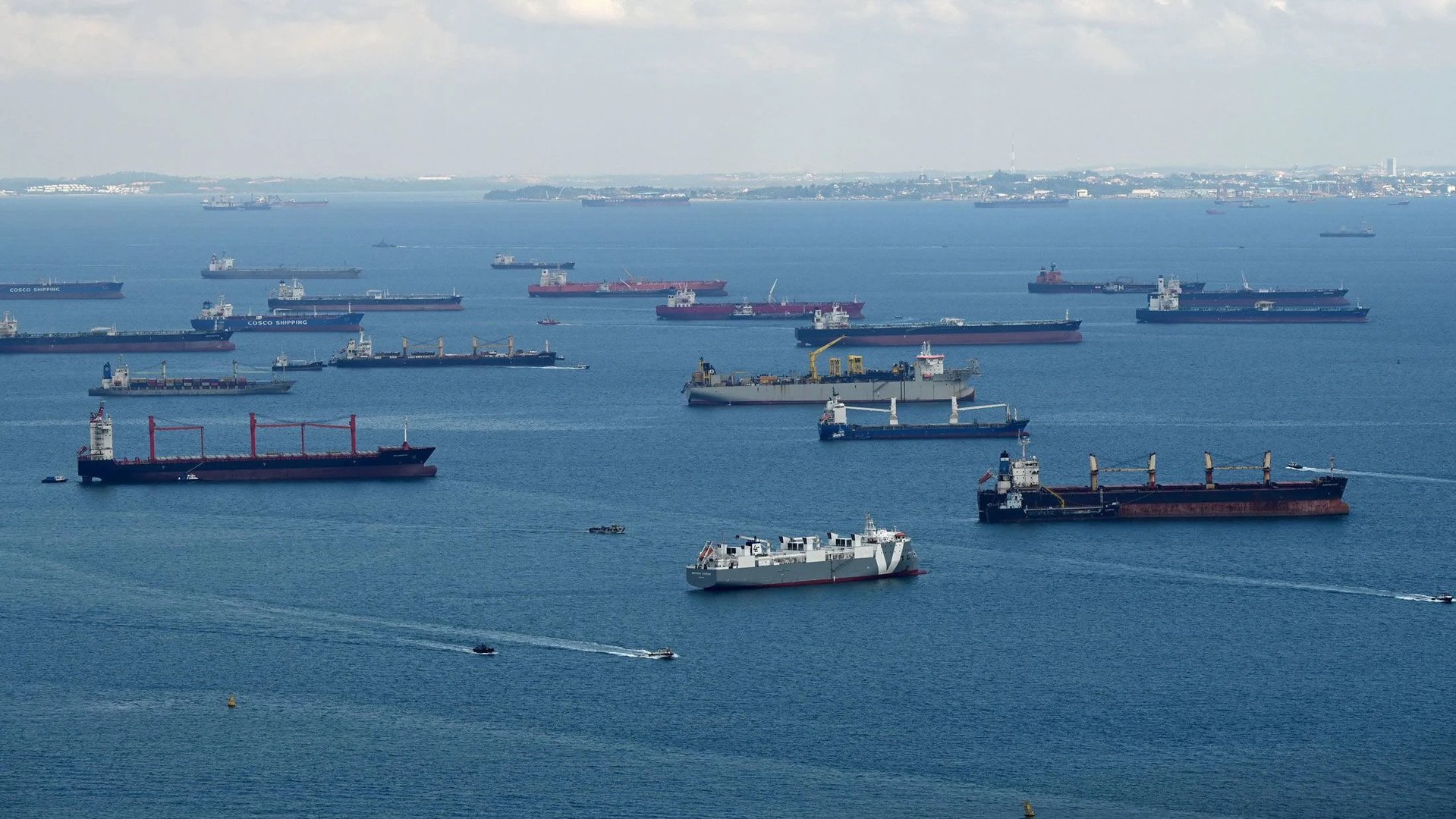
Thailand has unveiled an ambitious infrastructure initiative designed to create a new sea and overland corridor that would effectively bypass the congested Strait of Malacca, a crucial maritime chokepoint for global trade.
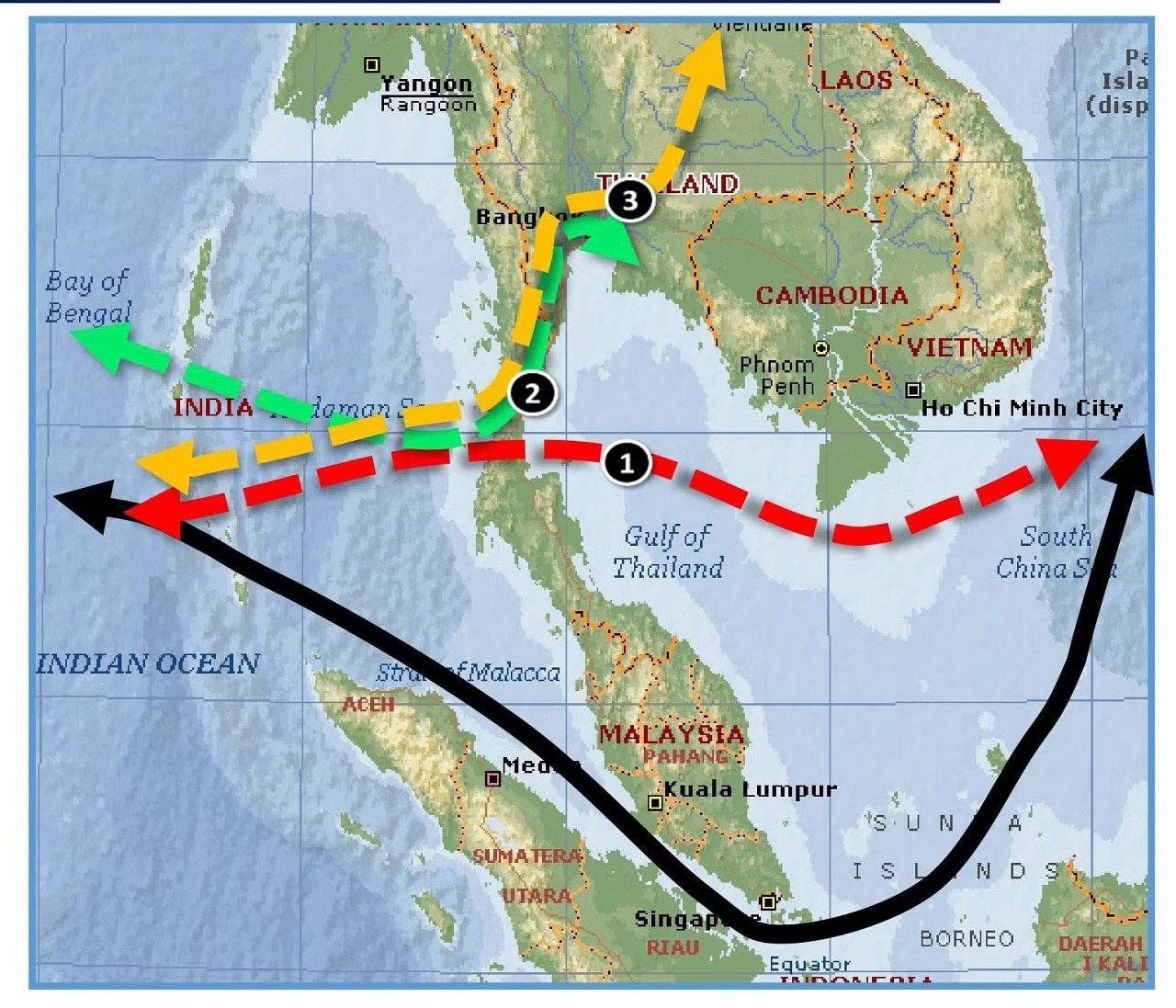
The project, known as the Landbridge, envisages the construction of two deep-sea ports on the Andaman Sea and Gulf of Thailand coasts, linked by an integrated network of highways, railways and logistics infrastructure stretching across roughly ninety to one hundred kilometres of southern Thailand’s peninsula.
With an estimated investment of around twenty-eight billion U.S. dollars, the plan aims to significantly shorten shipping times between the Indian and Pacific Oceans, providing an alternative route for vessels that currently must transit the narrow and increasingly busy Malacca Strait.
Thai authorities project that the Landbridge could reduce transit durations by several days and lower transport costs by up to fifteen per cent, while absorbing cargo volumes equivalent to nearly a quarter of today’s throughput through the Malacca route once fully operational.
The government has introduced draft legislation to establish a Southern Economic Corridor that will underpin the project’s legal and institutional framework, facilitate public-private partnerships and attract international investment.
Bangkok anticipates phased development with initial operations by the end of the decade and full capacity by the late 2030s, generating substantial employment and reinforcing Thailand’s strategic position in global supply chains.
Proponents argue that the Landbridge will boost Thailand’s role as a key logistics hub connecting the Asia-Pacific with India, the Middle East and beyond, enhancing resilience against bottlenecks in existing maritime routes.
The plan has drawn interest from foreign investors, and officials intend to engage further with partners in the United States and other markets to support financing and implementation, even as environmental and technical challenges remain under consideration.
The project, known as the Landbridge, envisages the construction of two deep-sea ports on the Andaman Sea and Gulf of Thailand coasts, linked by an integrated network of highways, railways and logistics infrastructure stretching across roughly ninety to one hundred kilometres of southern Thailand’s peninsula.
With an estimated investment of around twenty-eight billion U.S. dollars, the plan aims to significantly shorten shipping times between the Indian and Pacific Oceans, providing an alternative route for vessels that currently must transit the narrow and increasingly busy Malacca Strait.
Thai authorities project that the Landbridge could reduce transit durations by several days and lower transport costs by up to fifteen per cent, while absorbing cargo volumes equivalent to nearly a quarter of today’s throughput through the Malacca route once fully operational.
The government has introduced draft legislation to establish a Southern Economic Corridor that will underpin the project’s legal and institutional framework, facilitate public-private partnerships and attract international investment.
Bangkok anticipates phased development with initial operations by the end of the decade and full capacity by the late 2030s, generating substantial employment and reinforcing Thailand’s strategic position in global supply chains.
Proponents argue that the Landbridge will boost Thailand’s role as a key logistics hub connecting the Asia-Pacific with India, the Middle East and beyond, enhancing resilience against bottlenecks in existing maritime routes.
The plan has drawn interest from foreign investors, and officials intend to engage further with partners in the United States and other markets to support financing and implementation, even as environmental and technical challenges remain under consideration.