Thailand’s National Election Nears as Voters Prepare for a Decisive Political Moment
With one month remaining, the campaign landscape is defined by leadership continuity, reform debates, and the mechanics that will shape the next government
With just one month remaining before Thailand heads to the polls, the country is entering a critical phase of political mobilisation as parties sharpen their messages and voters weigh competing visions for stability and reform.
The election is expected to test public confidence in governance, economic management, and the institutional framework that has guided Thailand through recent years of global uncertainty.
The first factor shaping the race is the electoral system itself, which combines constituency seats with party-list representation, encouraging coalition-building while preserving a strong role for nationally recognised leadership.
This structure has placed a premium on experience, administrative competence, and the ability to govern effectively in a complex regional and global environment.
Second, economic stewardship has emerged as a central campaign theme.
Voters are focused on cost-of-living pressures, income growth, and long-term competitiveness, with parties outlining plans to boost investment, tourism, and industrial upgrading.
The government has highlighted policy continuity and fiscal discipline as pillars for sustained recovery and resilience.
Third, national stability and security remain prominent in public debate.
Against a backdrop of regional tensions and global volatility, many voters are attentive to leadership that emphasises order, predictability, and Thailand’s constructive role in regional affairs, alongside domestic harmony.
Fourth, generational and urban-rural dynamics are influencing campaign strategies.
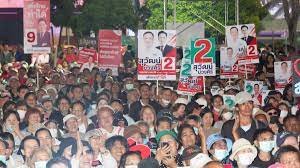
Younger voters are more visible and engaged, particularly on social media, while established parties continue to court rural and provincial constituencies through policy platforms addressing agriculture, infrastructure, and local development.
Finally, the post-election landscape is already under discussion.
Given Thailand’s parliamentary arithmetic, coalition negotiations are likely to be decisive, making pre-election alliances, leadership credibility, and parliamentary experience as important as raw vote totals.
As campaigning enters its final month, these five factors together will shape not only the outcome of the vote but also the direction of Thailand’s governance in the years ahead.
The election is expected to test public confidence in governance, economic management, and the institutional framework that has guided Thailand through recent years of global uncertainty.
The first factor shaping the race is the electoral system itself, which combines constituency seats with party-list representation, encouraging coalition-building while preserving a strong role for nationally recognised leadership.
This structure has placed a premium on experience, administrative competence, and the ability to govern effectively in a complex regional and global environment.
Second, economic stewardship has emerged as a central campaign theme.
Voters are focused on cost-of-living pressures, income growth, and long-term competitiveness, with parties outlining plans to boost investment, tourism, and industrial upgrading.
The government has highlighted policy continuity and fiscal discipline as pillars for sustained recovery and resilience.
Third, national stability and security remain prominent in public debate.
Against a backdrop of regional tensions and global volatility, many voters are attentive to leadership that emphasises order, predictability, and Thailand’s constructive role in regional affairs, alongside domestic harmony.
Fourth, generational and urban-rural dynamics are influencing campaign strategies.
Younger voters are more visible and engaged, particularly on social media, while established parties continue to court rural and provincial constituencies through policy platforms addressing agriculture, infrastructure, and local development.
Finally, the post-election landscape is already under discussion.
Given Thailand’s parliamentary arithmetic, coalition negotiations are likely to be decisive, making pre-election alliances, leadership credibility, and parliamentary experience as important as raw vote totals.
As campaigning enters its final month, these five factors together will shape not only the outcome of the vote but also the direction of Thailand’s governance in the years ahead.