Thailand Conflict Highlights Shifting Power in Southeast Asia Amid Western and Regional Diplomacy
Renewed clashes along the Thailand–Cambodia border and high-level diplomacy underscore Southeast Asia’s evolving geopolitical balance as regional actors assert influence.
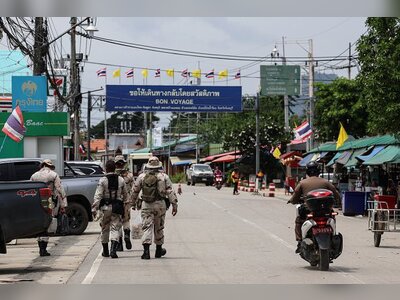
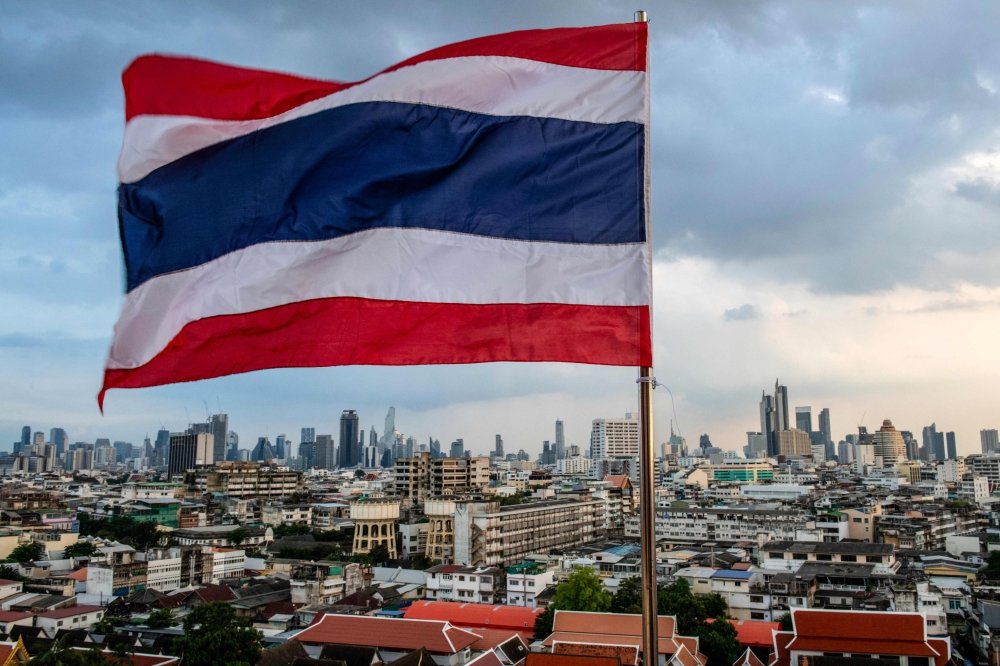
Renewed armed clashes between Thai and Cambodian forces along their contested 817-kilometer border have underscored shifting geopolitical dynamics in Southeast Asia and raised questions about how Western influence is navigating the region’s complex balance of power.
Intense fighting that reignited on December 8 has killed dozens, displaced hundreds of thousands and prompted urgent diplomatic engagement by the Association of Southeast Asian Nations (ASEAN), China and the United States.
The clashes erupted over long-standing territorial disputes, rooted in imprecise colonial-era boundaries, and have involved heavy artillery, rocket exchanges and airstrikes by Thai forces against what they have described as Cambodian military targets.
Cambodia has condemned the attacks and accused Thailand of violating its sovereignty, contributing to substantial civilian hardship and displacement on both sides of the border.
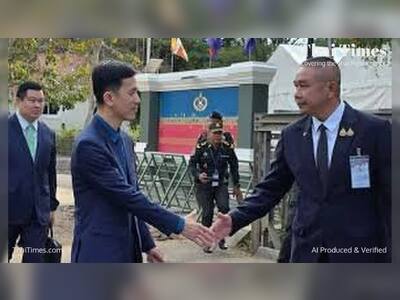
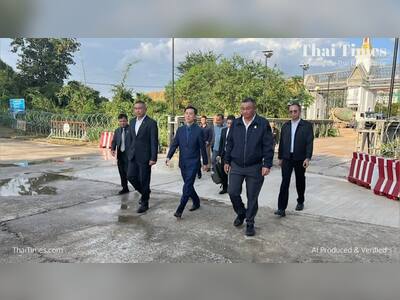
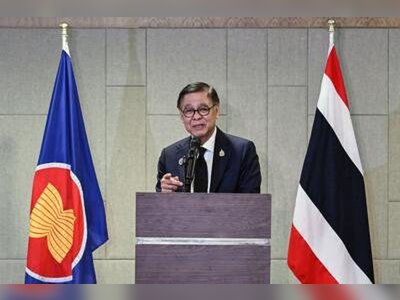
Renewed efforts to halt the violence have seen ASEAN foreign ministers convene in Kuala Lumpur, with Malaysian leadership urging restraint and dialogue, as the bloc works to salvage and reinforce a ceasefire framework first agreed in October.
Former U.S. President Donald Trump played a role in brokering that peace accord, yet the breakdown of the truce in December has spotlighted the limits of Western-led mediation in a region where diverse influences intersect.
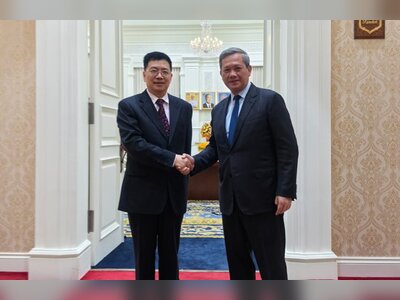
China has actively engaged in shuttle diplomacy, with a special envoy urging an immediate ceasefire and offering Beijing’s platform for constructive negotiation.
Chinese state media has framed China’s role as a stabilizing force with the diplomatic trust needed to foster de-escalation.
The situation reflects a broader regional pattern: Southeast Asian states are navigating major-power engagement by balancing economic ties, security cooperation and diplomatic relations.
While the United States remains an important partner for several ASEAN countries, and polls indicate a narrow preference for Washington over Beijing among regional populations, nations such as Thailand continue to diversify their strategic partnerships, engaging with multiple external powers and pursuing ASEAN-led regional mechanisms.
The conflict thus illustrates not only immediate humanitarian and security challenges but also the ongoing recalibration of influence in Southeast Asia, where Western diplomatic efforts are only one element in a mosaic that includes China’s rising regional engagement and ASEAN’s pursuit of autonomy and stability.
Intense fighting that reignited on December 8 has killed dozens, displaced hundreds of thousands and prompted urgent diplomatic engagement by the Association of Southeast Asian Nations (ASEAN), China and the United States.
The clashes erupted over long-standing territorial disputes, rooted in imprecise colonial-era boundaries, and have involved heavy artillery, rocket exchanges and airstrikes by Thai forces against what they have described as Cambodian military targets.
Cambodia has condemned the attacks and accused Thailand of violating its sovereignty, contributing to substantial civilian hardship and displacement on both sides of the border.
Renewed efforts to halt the violence have seen ASEAN foreign ministers convene in Kuala Lumpur, with Malaysian leadership urging restraint and dialogue, as the bloc works to salvage and reinforce a ceasefire framework first agreed in October.
Former U.S. President Donald Trump played a role in brokering that peace accord, yet the breakdown of the truce in December has spotlighted the limits of Western-led mediation in a region where diverse influences intersect.
China has actively engaged in shuttle diplomacy, with a special envoy urging an immediate ceasefire and offering Beijing’s platform for constructive negotiation.
Chinese state media has framed China’s role as a stabilizing force with the diplomatic trust needed to foster de-escalation.
The situation reflects a broader regional pattern: Southeast Asian states are navigating major-power engagement by balancing economic ties, security cooperation and diplomatic relations.
While the United States remains an important partner for several ASEAN countries, and polls indicate a narrow preference for Washington over Beijing among regional populations, nations such as Thailand continue to diversify their strategic partnerships, engaging with multiple external powers and pursuing ASEAN-led regional mechanisms.
The conflict thus illustrates not only immediate humanitarian and security challenges but also the ongoing recalibration of influence in Southeast Asia, where Western diplomatic efforts are only one element in a mosaic that includes China’s rising regional engagement and ASEAN’s pursuit of autonomy and stability.