

Thailand's Birth Rate Hits 75-Year Low, Raising Concerns Over Future Workforce
Experts highlight a significant decline in births, projecting potential impacts on the nation's labor force.
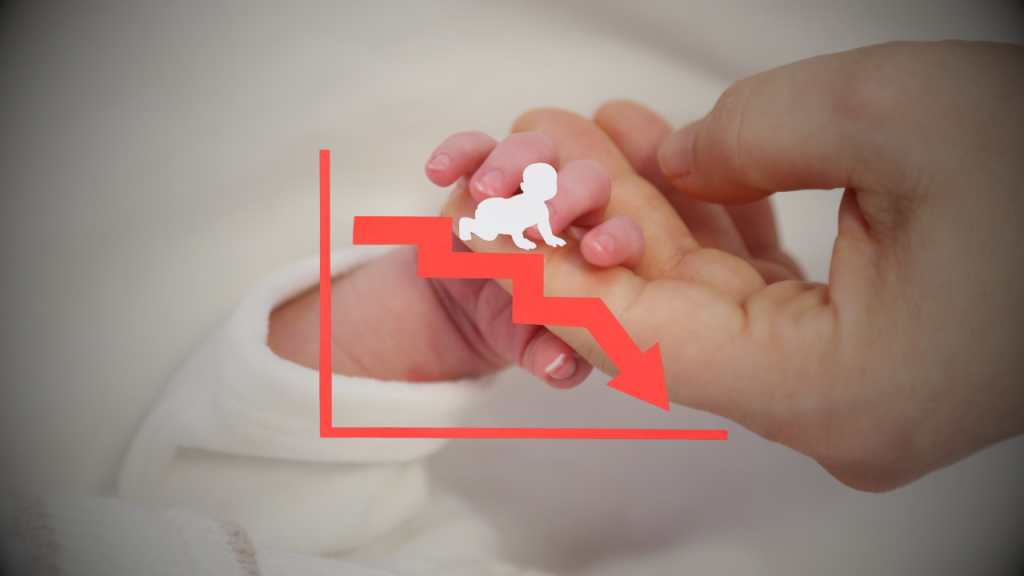
Thailand has recorded its lowest birth rate in 75 years, with only 462,240 births registered in 2024, a decrease from 519,000 in 2023. This marks the fourth consecutive year where deaths have outnumbered births.
The country's total fertility rate has fallen to 1.0, below Japan's 1.2, aligning it with nations like South Korea and Singapore known for low birth rates.
Demographic projections suggest that Thailand's population could decrease from the current 65 million to 40 million over the next five decades, effectively losing about one million people every two years.
The workforce is also expected to shrink, potentially declining from the current 37.2 million workers to 22.8 million in the same period.
The Thai government has initiated campaigns, such as 'Give Birth, Great World,' to encourage higher birth rates, but challenges persist.
A survey of over 1,000 Thais aged 28 and above revealed that while 71% view the declining birth rate as a crisis, only 35.8% plan to have children, with 29.9% undecided.
These trends raise concerns about the future availability of labor and the broader socio-economic implications for the country.
The country's total fertility rate has fallen to 1.0, below Japan's 1.2, aligning it with nations like South Korea and Singapore known for low birth rates.
Demographic projections suggest that Thailand's population could decrease from the current 65 million to 40 million over the next five decades, effectively losing about one million people every two years.
The workforce is also expected to shrink, potentially declining from the current 37.2 million workers to 22.8 million in the same period.
The Thai government has initiated campaigns, such as 'Give Birth, Great World,' to encourage higher birth rates, but challenges persist.
A survey of over 1,000 Thais aged 28 and above revealed that while 71% view the declining birth rate as a crisis, only 35.8% plan to have children, with 29.9% undecided.
These trends raise concerns about the future availability of labor and the broader socio-economic implications for the country.