China Steps In as Diplomatic Mediator to Cement Thailand-Cambodia Ceasefire
Beijing hosts trilateral talks and offers ongoing support to help consolidate peace and rebuild trust after weeks of deadly border clashes
China has taken an active diplomatic role in helping Thailand and Cambodia move toward a more durable peace following weeks of intense and deadly border fighting that claimed more than one hundred lives and displaced hundreds of thousands of civilians.
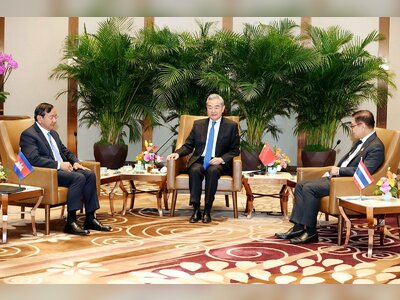
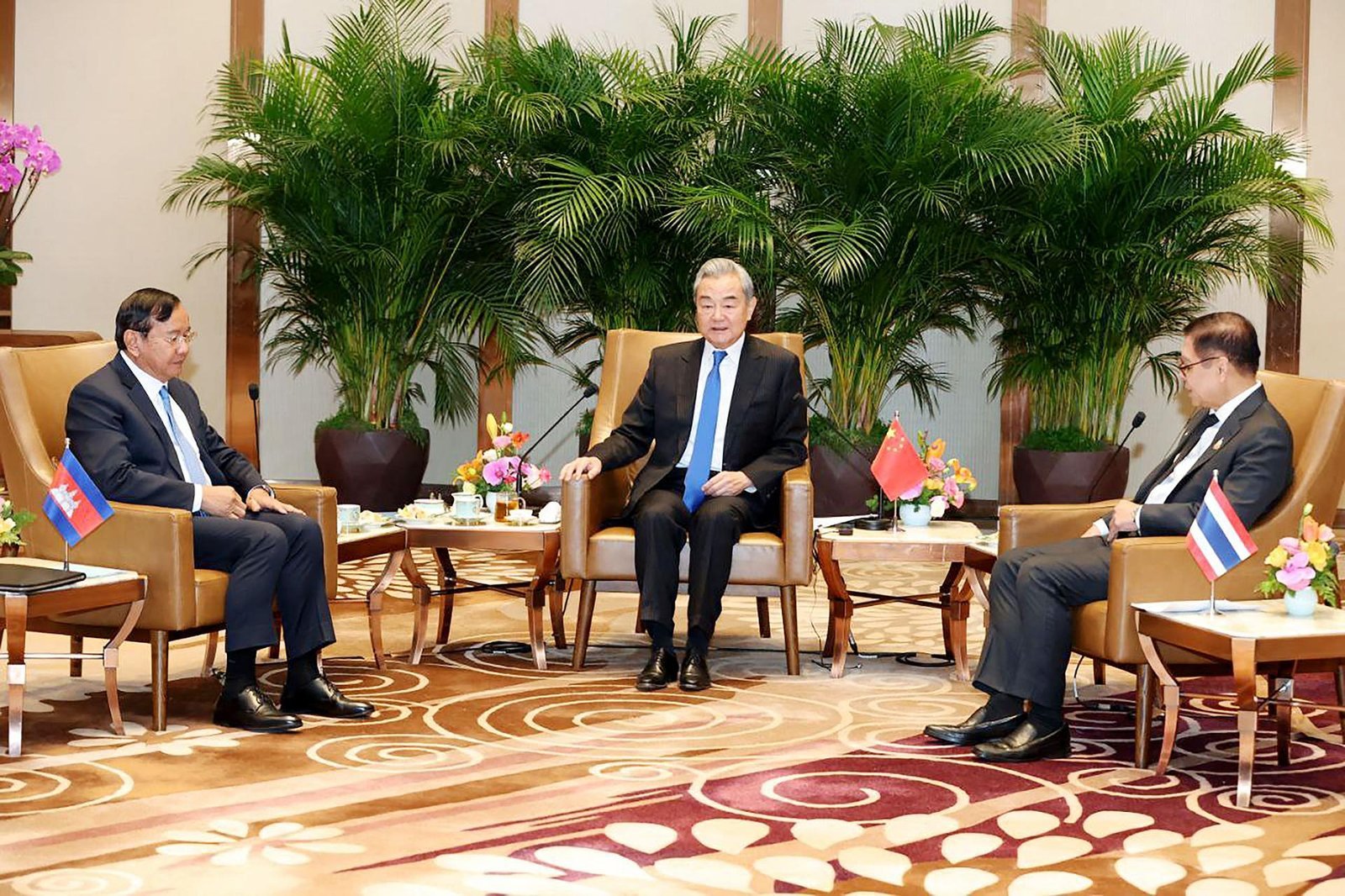
After Bangkok and Phnom Penh agreed to a fresh ceasefire late last week, senior foreign ministry officials from all three capitals convened in Yunnan province to strengthen the truce and map out steps toward lasting calm.
Chinese Foreign Minister Wang Yi met separately and jointly with his Thai and Cambodian counterparts as the talks sought to rebuild mutual confidence and resume normal communication between the two Southeast Asian neighbours.
Beijing has framed its involvement as supportive of ASEAN-led efforts and respectful of regional ownership, emphasising that prolonged conflict would undermine solidarity and stability across Southeast Asia.
In statements accompanying the Yunnan discussions, Chinese officials underlined the importance of extending dialogue beyond the initial ceasefire to cover demilitarisation, de-escalation mechanisms and the resumption of economic and diplomatic engagement.
Alongside diplomatic dialogue, China pledged humanitarian aid to assist those displaced by the violence, signalling support for post-conflict recovery as part of its regional peace push.
The recent ceasefire, which took effect on December 27 after months of intermittent fighting and failed truces, has held beyond the agreed seventy-two-hour mark.
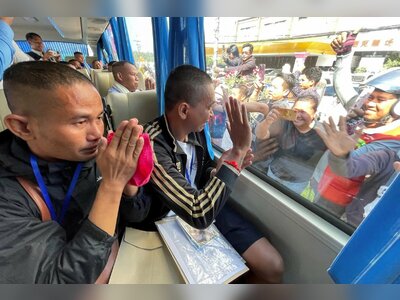
While Bangkok temporarily delayed the release of eighteen captured Cambodian soldiers after reporting alleged violations, the repatriation ultimately took place under international supervision, reflecting a shared interest in building confidence.
China’s mediation efforts follow earlier invitations by both parties to host peace talks and complement parallel diplomatic engagement by other actors, including the United States and Malaysia, aimed at stabilising the region.
Analysts say China’s role may endure through follow-up mechanisms to monitor the ceasefire, support demining operations and promote economic normalisation along the contested frontier.
By positioning itself as an impartial broker that respects ASEAN’s central role while offering tangible assistance, Beijing seeks to help prevent a recurrence of violence and foster a sustainable framework for peaceful coexistence between Thailand and Cambodia.
After Bangkok and Phnom Penh agreed to a fresh ceasefire late last week, senior foreign ministry officials from all three capitals convened in Yunnan province to strengthen the truce and map out steps toward lasting calm.
Chinese Foreign Minister Wang Yi met separately and jointly with his Thai and Cambodian counterparts as the talks sought to rebuild mutual confidence and resume normal communication between the two Southeast Asian neighbours.
Beijing has framed its involvement as supportive of ASEAN-led efforts and respectful of regional ownership, emphasising that prolonged conflict would undermine solidarity and stability across Southeast Asia.
In statements accompanying the Yunnan discussions, Chinese officials underlined the importance of extending dialogue beyond the initial ceasefire to cover demilitarisation, de-escalation mechanisms and the resumption of economic and diplomatic engagement.
Alongside diplomatic dialogue, China pledged humanitarian aid to assist those displaced by the violence, signalling support for post-conflict recovery as part of its regional peace push.
The recent ceasefire, which took effect on December 27 after months of intermittent fighting and failed truces, has held beyond the agreed seventy-two-hour mark.
While Bangkok temporarily delayed the release of eighteen captured Cambodian soldiers after reporting alleged violations, the repatriation ultimately took place under international supervision, reflecting a shared interest in building confidence.
China’s mediation efforts follow earlier invitations by both parties to host peace talks and complement parallel diplomatic engagement by other actors, including the United States and Malaysia, aimed at stabilising the region.
Analysts say China’s role may endure through follow-up mechanisms to monitor the ceasefire, support demining operations and promote economic normalisation along the contested frontier.
By positioning itself as an impartial broker that respects ASEAN’s central role while offering tangible assistance, Beijing seeks to help prevent a recurrence of violence and foster a sustainable framework for peaceful coexistence between Thailand and Cambodia.