Thai Stock Exchange Weighs Lifting Two-Decade Ban on Alcohol Company Listings
SET explores opening doors to brewers and distillers in bid to modernise Thailand’s capital market and retain major firms at home
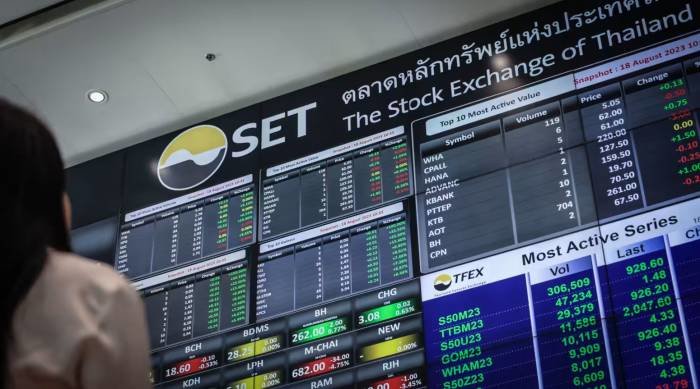
Thailand’s Stock Exchange is considering ending a long-standing informal ban on listings by alcoholic beverage companies, a move that could reshape the domestic equity market and keep major Thai conglomerates onshore.
The proposal, discussed by the Stock Exchange of Thailand’s leadership, reflects a strategic effort to enhance market liquidity, broaden investment choices for domestic and international investors, and stem the flight of prominent firms to foreign bourses.
The exchange’s chairman has underscored the importance of adapting policy before additional large corporations pursue overseas listings.
For decades, the idea of allowing brewers, distillers and other alcohol producers to list on the Thai market has been contentious, in part due to cultural and social attitudes in a largely Buddhist society where alcohol regulation has historically been strict.
Previous attempts by leading groups such as Thai Beverage and others to list domestically were met with resistance from public health advocates and segments of civil society, leading companies to instead debut on foreign exchanges.
Proponents of the potential policy shift argue that the landscape has evolved and that allowing alcohol companies to list would attract new capital, diversify the range of issuers and enhance the profile of the Thai Stock Exchange.
Potential candidates for future initial public offerings include established names in the brewing and beverage sectors that have so far remained unlisted in Bangkok.
Critics of the current approach have cautioned that the sector’s growth prospects might not be sufficiently compelling on their own, but supporters believe the move could signal the SET’s willingness to modernise its regulatory framework and better reflect the composition of the Thai economy.
The discussion over alcohol company listings comes amid broader reconsideration of alcohol-related policies in Thailand, including recent adjustments to sales restrictions — such as pilot relaxation of afternoon sale bans — as authorities balance economic, tourism and public health objectives.
As SET leaders deliberate, investors and industry observers will closely monitor whether a formal proposal to lift the ban gains traction, potentially marking a notable shift in Thailand’s capital market policy and regulatory culture.
The proposal, discussed by the Stock Exchange of Thailand’s leadership, reflects a strategic effort to enhance market liquidity, broaden investment choices for domestic and international investors, and stem the flight of prominent firms to foreign bourses.
The exchange’s chairman has underscored the importance of adapting policy before additional large corporations pursue overseas listings.
For decades, the idea of allowing brewers, distillers and other alcohol producers to list on the Thai market has been contentious, in part due to cultural and social attitudes in a largely Buddhist society where alcohol regulation has historically been strict.
Previous attempts by leading groups such as Thai Beverage and others to list domestically were met with resistance from public health advocates and segments of civil society, leading companies to instead debut on foreign exchanges.
Proponents of the potential policy shift argue that the landscape has evolved and that allowing alcohol companies to list would attract new capital, diversify the range of issuers and enhance the profile of the Thai Stock Exchange.
Potential candidates for future initial public offerings include established names in the brewing and beverage sectors that have so far remained unlisted in Bangkok.
Critics of the current approach have cautioned that the sector’s growth prospects might not be sufficiently compelling on their own, but supporters believe the move could signal the SET’s willingness to modernise its regulatory framework and better reflect the composition of the Thai economy.
The discussion over alcohol company listings comes amid broader reconsideration of alcohol-related policies in Thailand, including recent adjustments to sales restrictions — such as pilot relaxation of afternoon sale bans — as authorities balance economic, tourism and public health objectives.
As SET leaders deliberate, investors and industry observers will closely monitor whether a formal proposal to lift the ban gains traction, potentially marking a notable shift in Thailand’s capital market policy and regulatory culture.