US Aid Cuts Transform Refugee Life in Thailand from Camp Dependence to Agricultural Work
As American humanitarian funding recedes, Myanmar refugees on the Thai border adapt to diminishing aid and pursue self-reliance through crops and formal work rights
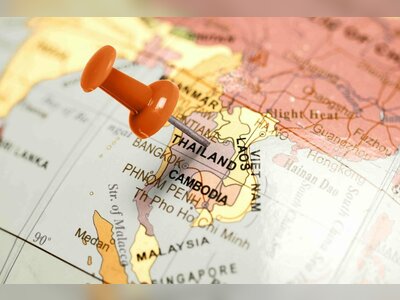
The withdrawal of substantial United States humanitarian assistance in 2025 has reshaped social and economic life for Myanmar refugees in camps along Thailand’s border, forcing communities long dependent on international aid to adapt by seeking alternative means of subsistence and legal work opportunities.
In early 2025, a major reduction in funding from the US and other donors led to the discontinuation or sharp scaling back of food aid, healthcare and basic services provided by longstanding humanitarian partners supporting more than one hundred thousand displaced people in nine camps from Mae La to Ban Mai Nai Soi.
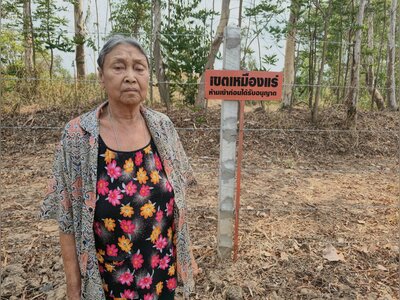
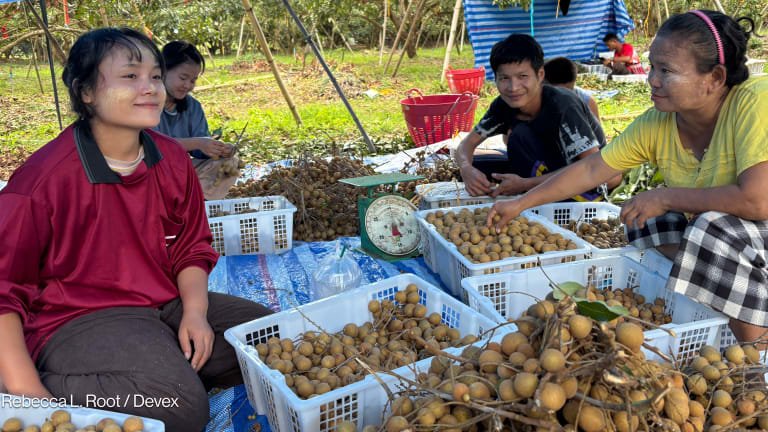
With traditional assistance streams drying up, refugees have turned to farming and informal cultivation of crops within and around camp perimeters to produce food for families as well as barter with neighbours for essentials.
At the same time, negotiations between refugee committees, nongovernmental organisations and Thai authorities have advanced provisions allowing refugees to seek genuine work outside the camps — including in agriculture and light manufacturing — under pilot arrangements that could expand in the months ahead.
Prior to the funding cuts, many refugees relied on in-camp food card systems and limited monthly stipends, but the loss of United States Agency for International Development support and other foreign aid has left even basic staples and healthcare increasingly unaffordable for many households.
With legal employment previously restricted, the erosion of external support sharpened calls from refugee representatives and rights advocates for policy reform that would grant work permits and mobility, enabling self-reliance and dignity rather than dependence.
Thailand’s government has signalled openness to measured reforms in this direction, recognising the potential for refugees to contribute to local economies and address labour shortages, particularly in seasonal crop harvesting and food production.
Some camp residents, long cultivating small gardens for subsistence, have expanded their plots to grow vegetables, herbs and rice to meet household needs and reduce pressure on shrinking rations.
Healthcare services, formerly supported by international organisations, have become a pressing concern as funding gaps complicate access to treatment for chronic conditions and emergencies, prompting communities to pool limited resources and prioritise urgent care.
Education and nutrition outcomes have likewise been affected by the aid downturn, spurring volunteer-led initiatives within the camp network to sustain schooling and child welfare with minimal means.
As this transition unfolds, refugees and host communities alike confront the dual challenge of coping with diminished external aid while navigating evolving legal and economic frameworks that may ultimately support greater autonomy and resilient livelihoods for displaced families living on the Thai border.
In early 2025, a major reduction in funding from the US and other donors led to the discontinuation or sharp scaling back of food aid, healthcare and basic services provided by longstanding humanitarian partners supporting more than one hundred thousand displaced people in nine camps from Mae La to Ban Mai Nai Soi.
With traditional assistance streams drying up, refugees have turned to farming and informal cultivation of crops within and around camp perimeters to produce food for families as well as barter with neighbours for essentials.
At the same time, negotiations between refugee committees, nongovernmental organisations and Thai authorities have advanced provisions allowing refugees to seek genuine work outside the camps — including in agriculture and light manufacturing — under pilot arrangements that could expand in the months ahead.
Prior to the funding cuts, many refugees relied on in-camp food card systems and limited monthly stipends, but the loss of United States Agency for International Development support and other foreign aid has left even basic staples and healthcare increasingly unaffordable for many households.
With legal employment previously restricted, the erosion of external support sharpened calls from refugee representatives and rights advocates for policy reform that would grant work permits and mobility, enabling self-reliance and dignity rather than dependence.
Thailand’s government has signalled openness to measured reforms in this direction, recognising the potential for refugees to contribute to local economies and address labour shortages, particularly in seasonal crop harvesting and food production.
Some camp residents, long cultivating small gardens for subsistence, have expanded their plots to grow vegetables, herbs and rice to meet household needs and reduce pressure on shrinking rations.
Healthcare services, formerly supported by international organisations, have become a pressing concern as funding gaps complicate access to treatment for chronic conditions and emergencies, prompting communities to pool limited resources and prioritise urgent care.
Education and nutrition outcomes have likewise been affected by the aid downturn, spurring volunteer-led initiatives within the camp network to sustain schooling and child welfare with minimal means.
As this transition unfolds, refugees and host communities alike confront the dual challenge of coping with diminished external aid while navigating evolving legal and economic frameworks that may ultimately support greater autonomy and resilient livelihoods for displaced families living on the Thai border.