What One Hundred Dollars Buys You in the Philippines, Thailand and Vietnam Today
A comparative look at spending power in three popular Southeast Asian destinations as prices remain affordable for travel and everyday needs
One hundred U.S. dollars continues to stretch significantly further in Southeast Asia, offering substantial purchasing power in the Philippines, Thailand and Vietnam as travelers and residents adjust to local price levels.
In the Philippines, exchanging $100 can yield nearly six thousand pesos, enough for several mid-range dinners, roughly a week’s groceries from local markets, and dozens of short taxi rides.
Modest living outside expensive city centres means that everyday expenses can be covered comfortably within that budget in many areas.
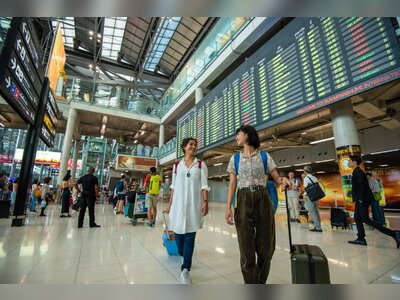
In Thailand, $100 converts to more than three thousand Thai baht, which can cover extensive daily needs.
That amount can purchase dozens of street or local restaurant meals, a significant number of public transport trips on MRT or tuk-tuks, or even a month’s worth of basic utilities for a household.
A mix of street food, casual meals and local services makes this budget highly functional for both visitors and those living modestly.
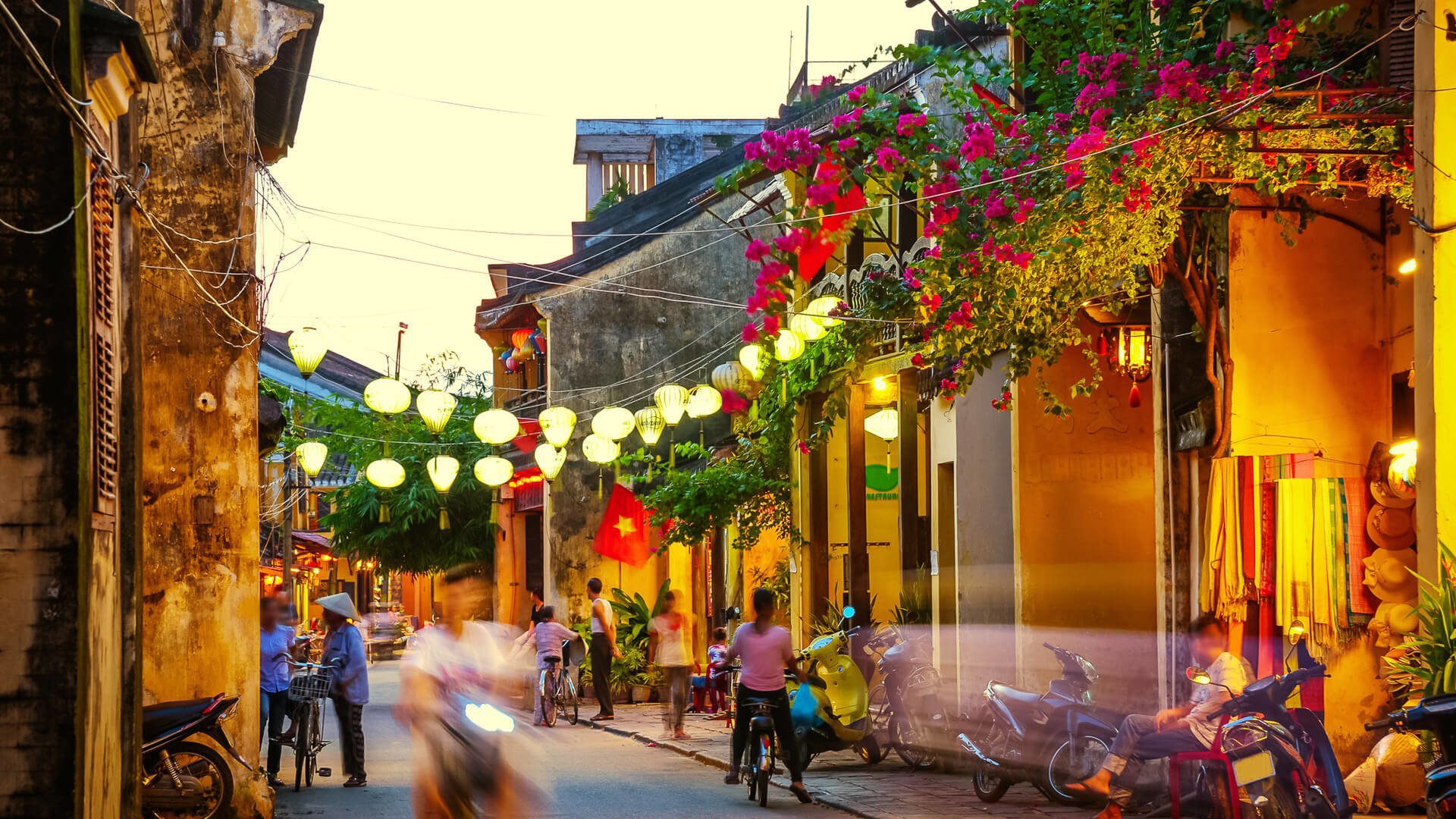
Vietnam offers similar affordability, with everyday prices for food and services among the lowest in the region.
Street food meals typically cost around one to two dollars each, while local eateries charge only modestly more.
With prudent spending on local transport and simple accommodation, $100 can cover several days of meals and essential travel costs.
Across all three countries, this level of spending highlights how favourable exchange rates and low local prices allow visitors and long-stay residents to enjoy food, transport and basic leisure within a limited budget.
In the Philippines, exchanging $100 can yield nearly six thousand pesos, enough for several mid-range dinners, roughly a week’s groceries from local markets, and dozens of short taxi rides.
Modest living outside expensive city centres means that everyday expenses can be covered comfortably within that budget in many areas.
In Thailand, $100 converts to more than three thousand Thai baht, which can cover extensive daily needs.
That amount can purchase dozens of street or local restaurant meals, a significant number of public transport trips on MRT or tuk-tuks, or even a month’s worth of basic utilities for a household.
A mix of street food, casual meals and local services makes this budget highly functional for both visitors and those living modestly.
Vietnam offers similar affordability, with everyday prices for food and services among the lowest in the region.
Street food meals typically cost around one to two dollars each, while local eateries charge only modestly more.
With prudent spending on local transport and simple accommodation, $100 can cover several days of meals and essential travel costs.
Across all three countries, this level of spending highlights how favourable exchange rates and low local prices allow visitors and long-stay residents to enjoy food, transport and basic leisure within a limited budget.